

Verzorging 2 min lezen
Inflammation after ear piercing: the first 6 weeks without panic
In dit artikel
A brand-new pair of piercings means you'll be extra conscious of your earlobes for days – and nights. A little warmth, a gentle ache, scabs... where's the line between normal healing and infection? Below, we'll calmly guide you through the first six weeks, week by week. No panic stories, just clear signals.
Week 1: Redness and sensitivity are normal
For the first few days, your earlobe will feel warm and slightly swollen. This is not an infection, but the normal first phase of wound healing. What you'll see: slight redness around the pin, a dull sensitivity to the touch, sometimes a gentle throbbing during intense movement. What you do: leave your starter earrings undisturbed, do not rotate them constantly, and disinfect twice a day with sterile saline solution or a mild product recommended by your piercer. Sleep as much as possible on your back or on a soft pillowcase.
Week 2: Scab formation is normal
Around the second week, you'll see small brownish or yellowish scabs appear around the piercing. This is clotted lymph fluid – the body healing itself. Do not scratch or pick at them. Rinse gently with lukewarm water and pat dry with a clean cotton swab. Avoid all harsh disinfectants (alcohol, peroxide) – they slow down healing. Also, read our recommendation on which disinfectant to choose.
Week 3-4: Patience becomes important now
From week three, the initial superficial healing is often complete – but the channel inside still needs to mature. It's tempting to change your starter earrings already, but wait. Changing too early is the most common cause of late infection. Give your ears a rest: no changing, no statement earrings, no evenings with hairspray right next to your ear.
Week 5-6: Carefully transition
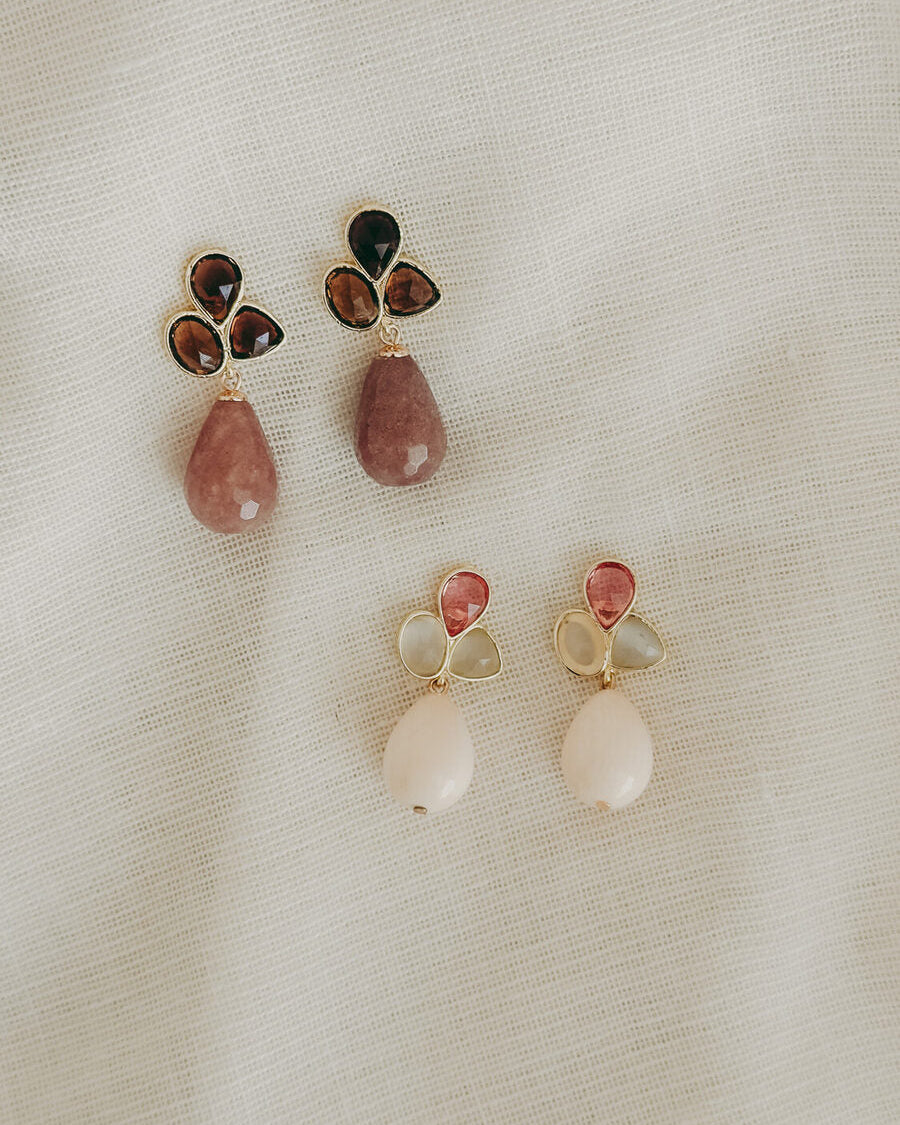
Only from week six (some ears need eight weeks) can you carefully change your earrings – and then choose a light, 100% nickel-free, lead-free, and cadmium-free pair that won't irritate the fresh channel. Sofie Veil, Mae Perle, and Naia Opal are popular first choices for this very reason. Change them calmly and without pressure; if it feels stiff? Stop and let the channel rest for another week.
When is it really an infection?
Some signs do require attention. Yellow-green pus (as opposed to clear lymph), persistent warmth after week 2, an earlobe that swells instead of shrinking, fever, or pain that increases instead of decreases – these are signs to consult your doctor or pharmacist. Read our guide on preventing infected earlobes for in-depth information.
Common mistakes in the first 6 weeks
Twisting the earring too often to keep the channel open – don't do it. Sleeping with your phone against your ear – don't do it. Sharing makeup or earring accessories – don't do it. Swimming in chlorine or open water for at least 4 weeks – avoid. Sunscreen, perfume, or hair products directly on the area – absolutely not.
Why a nickel-free choice in the beginning makes all the difference
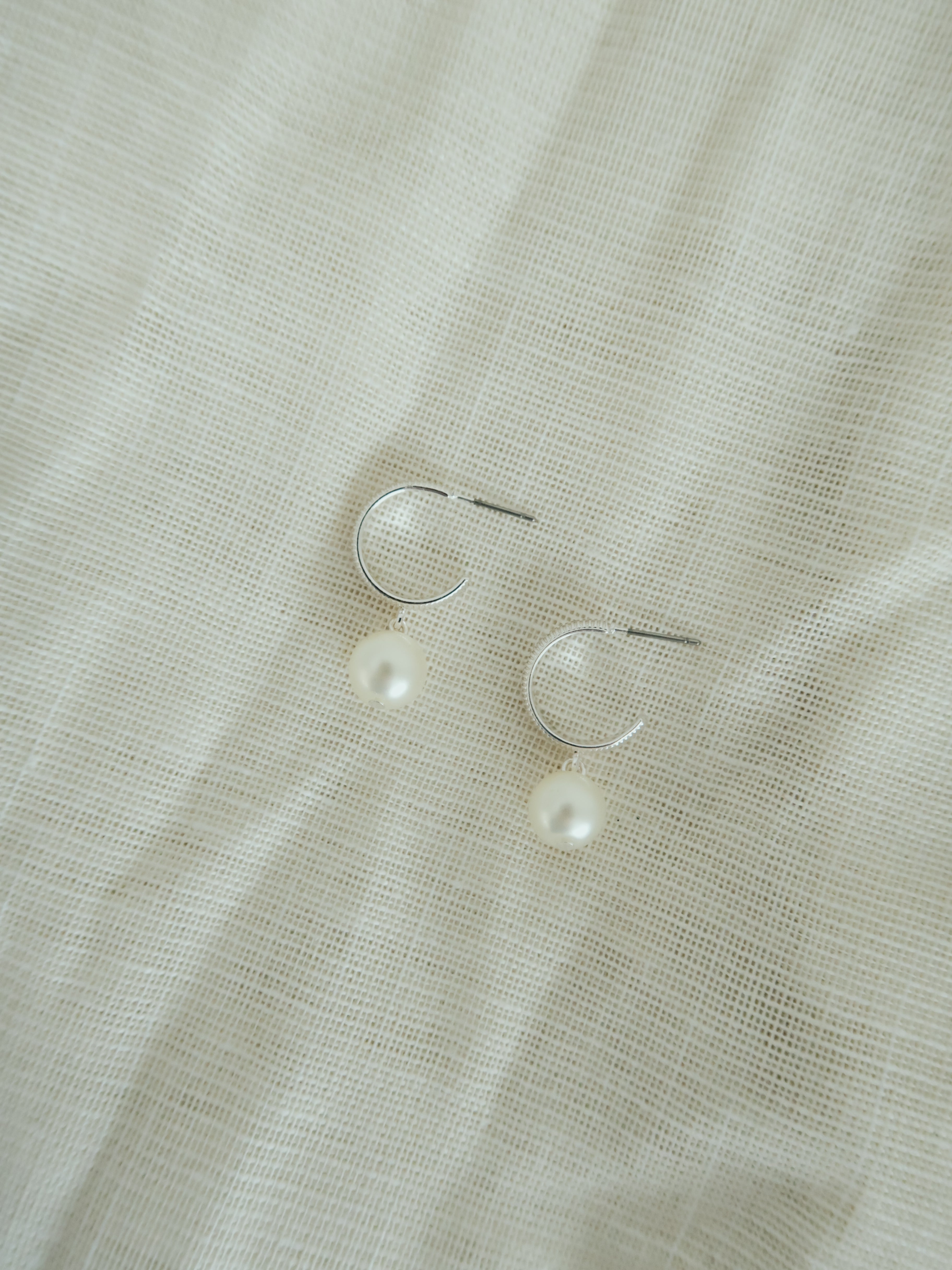
Especially in those first few months, your earlobe is super sensitive. If the starter earring contains poor alloys, you're setting yourself up for problems for months to come. At Petit Bonbon, we have been working for years with handmade earrings that live up to their name: each one made in Dendermonde, with material that is 100% nickel-free, lead-free, and cadmium-free and tested to be worn daily without your ears protesting. Feel free to browse our collection or get inspired by this guide.
This is general information and not medical advice. In case of doubt: consult your doctor or pharmacist.
Shop dit artikel
Gentle on sensitive ears
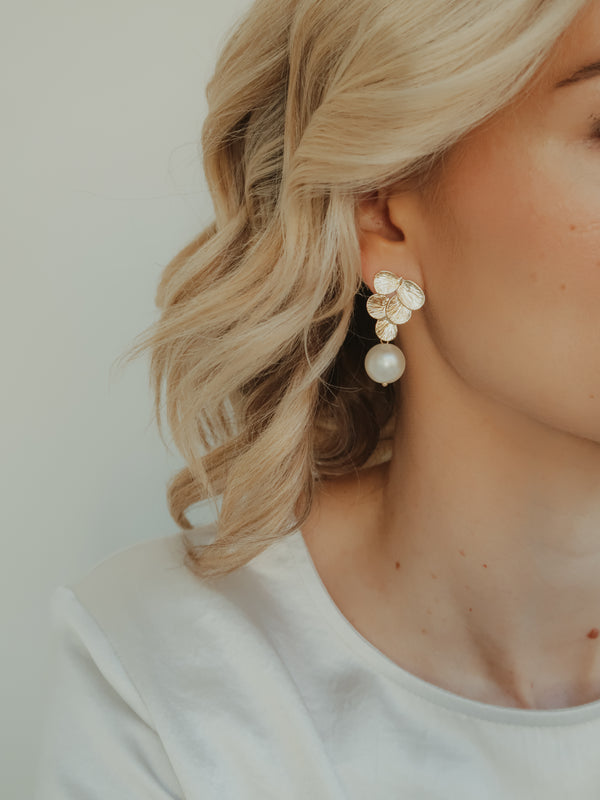
All Petit Bonbon earrings are 100% nickel-free, lead-free and cadmium-free — handmade in Dendermonde, made for comfortable everyday wear.
Discover moreMake your outfit stand out
Handcrafted statement earrings





My ear piercing keeps getting infected — what am I doing wrong?
That same red, itchy ear piercing again? You've disinfected it, taken out your earring for a while, tried a new pair — and yet it's back within a week. Frustrating, as it seems like an endless cycl...
Read more
Little wound on your earlobe that won't heal? Here's why
A persistent wound on your earlobe can really get you down. Every time it seems to be getting better, the next morning it’s bleeding, crusty, or weeping again. Frustrating. The good news: in nine o...
Read more
Leave a comment