

Verzorging 3 min lezen
My ear piercing keeps getting infected — what am I doing wrong?
In dit artikel
That same red, itchy ear piercing again? You've disinfected it, taken out your earring for a while, tried a new pair — and yet it's back within a week. Frustrating, as it seems like an endless cycle. Good news: recurring inflammation almost always has an identifiable cause. Below, we'll walk you through the most common mistakes step-by-step, so you can pinpoint the real culprit.
Step 1: Check the material of your earring
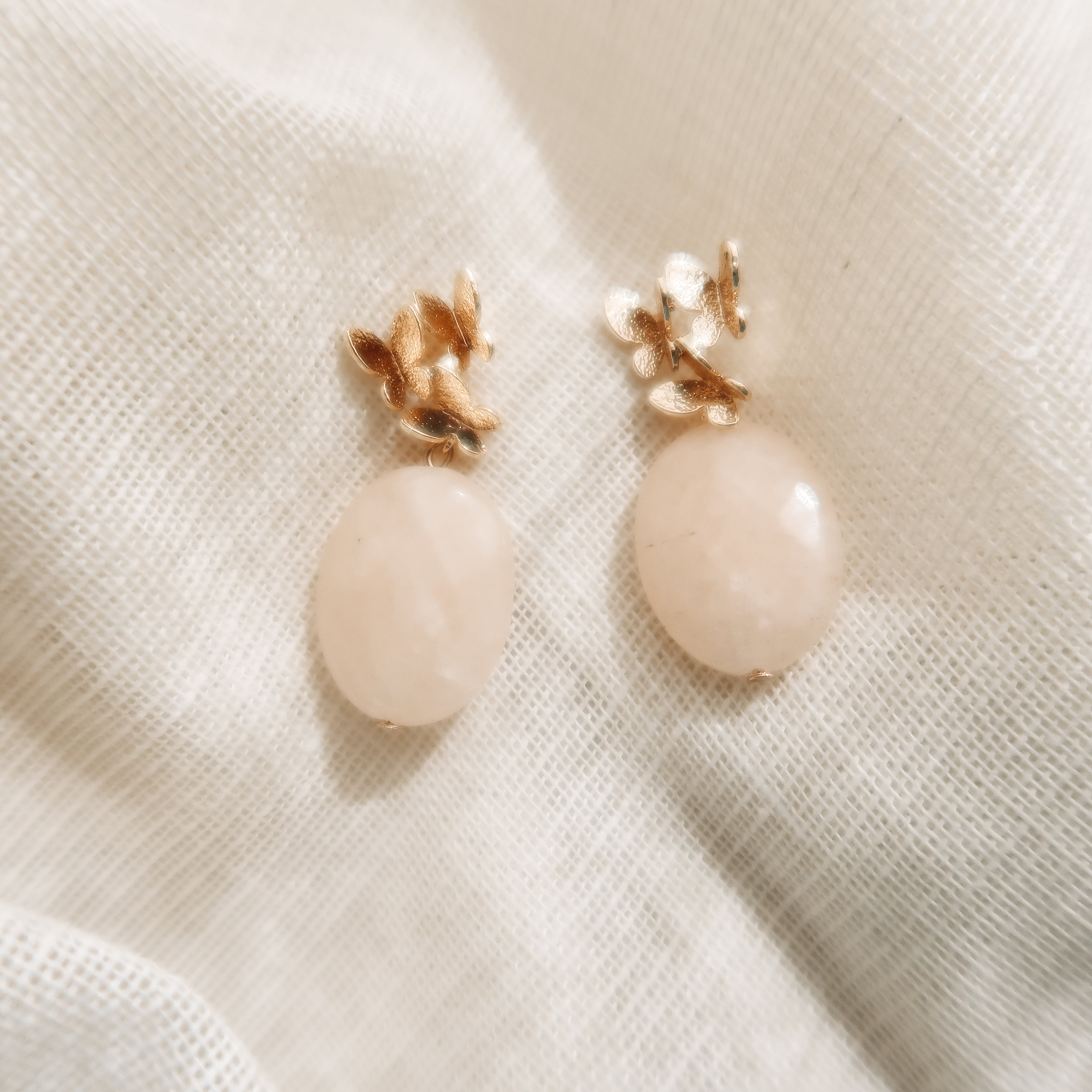
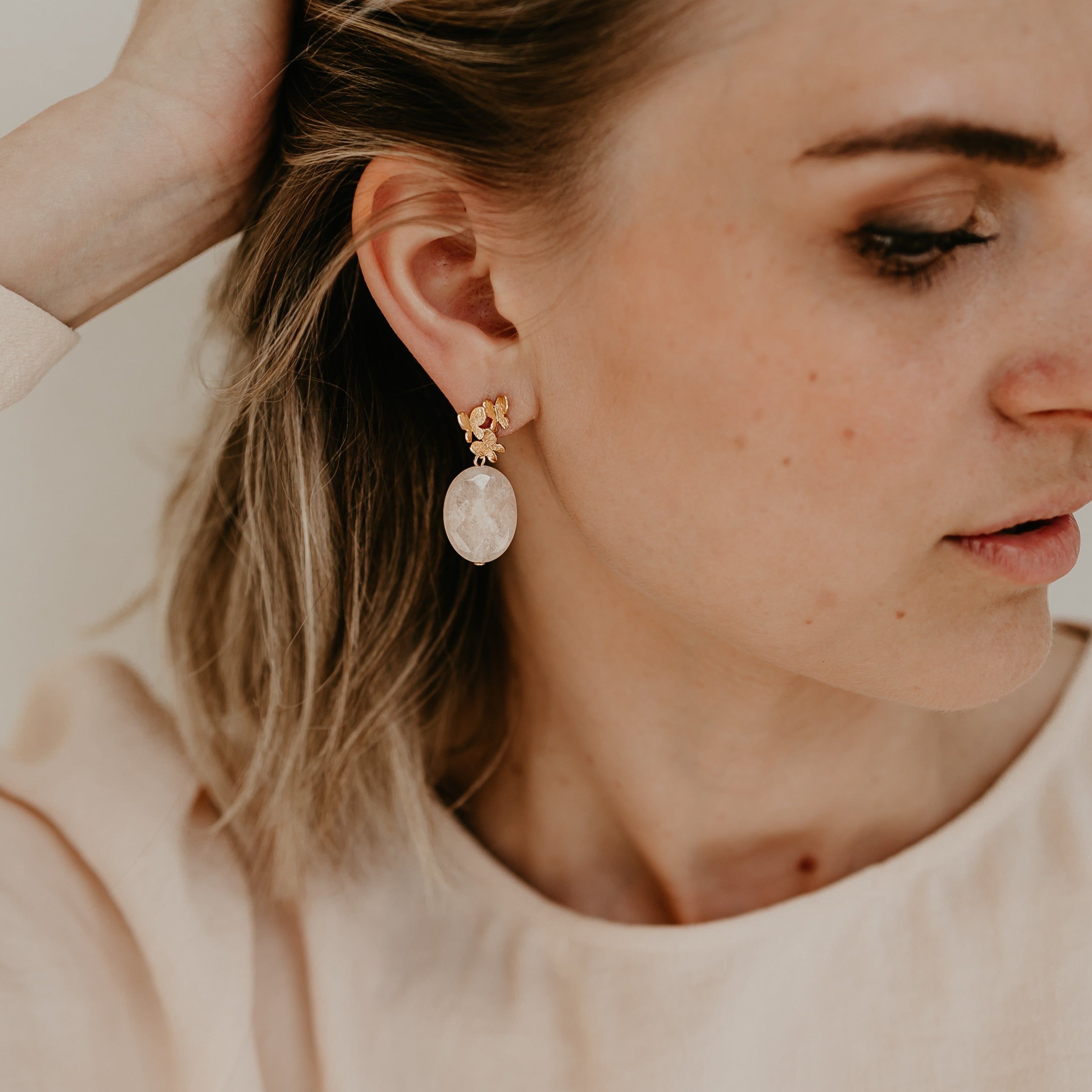
Suspect number one is almost always the material. Many affordable earrings on the market contain nickel, even if they are classified as anti-allergenic or fashion jewellery. Plating wears off — and as soon as the nickel underneath is exposed, your skin reacts. Even if you find just one set tolerable, it's worth switching completely for a few weeks to earrings that are 100% nickel-free, lead- and cadmium-free. Ada Snow or Mae Perle are lightweight test candidates to try. Is the situation gradually improving? Then nickel was probably the culprit.
Step 2: Review your hygiene routine
The area around the ears is often forgotten when washing. Residue from shampoo, hair gel, perfume, and sunscreen accumulates around the piercing and irritates the skin. Rinse that area daily with lukewarm water during your shower and gently pat dry — we'll skip rubbing. Changing your pillowcase twice a week is another simple win, as your pillowcase collects cosmetics, sebum, and bacteria. Don't forget to regularly clean your earrings themselves either — read our maintenance tips.
Step 3: Inspect the clasp
The clasp of an earring sits very close to the skin. Small burrs, poorly finished edges, or a too-tight post can turn every movement into microtraumas. These are invisible wounds where bacteria can enter and bingo: inflammation. Try a different type of clasp (lever back, screw back, threaded post) and see if the irritation persists. Petit Bonbon uses finishes that we test ourselves before bringing them to market — which also often helps with sensitive ears without piercings.
Step 4: Check how you sleep
Do you consistently sleep on the same side, with earrings in? Then you are putting pressure on the exact same spot for hours. This disrupts healing and keeps your earlobe in a mild state of inflammation. Best trick: take your earrings out at night, or limit yourself to super-light studs like Whisper White. If you want options: give your earlobes a break at least three nights a week.
Step 5: Reduce chemical irritants
Perfume directly on your neck, hairspray right next to your ear, or disinfection with alcohol — all triggers that dry out and irritate the skin. Swap strong disinfectants for a mild saline solution (NaCl 0.9%) and apply perfume before putting on your earrings, not afterwards. Hand sanitiser that touches your earlobe just before you change your earrings also counts — avoid that moment.
What if you follow all the steps and it returns?
Sometimes something is deeper. Scar tissue around an older piercing (a small, hard bump) or a keloid can explain recurring complaints. In that case, a visit to your GP or dermatologist is appropriate. They can advise on a short course of cortisone or, in rare cases, closing the piercing and re-piercing it.
Why choose Petit Bonbon
Our earrings are handmade in Dendermonde, piece by piece in small batches. Each pair is 100% nickel-free, lead- and cadmium-free and is test-worn by us before it enters the collection. The difference between fashion jewellery and earrings you can wear day in and day out lies precisely in those details. View our full collection or ask for advice — we are happy to help you choose a safe pair.
This is general information and not medical advice. If in doubt: consult your doctor or pharmacist.
Shop dit artikel

Kind to sensitive ears
All Petit Bonbon earrings are 100% nickel-free, lead- and cadmium-free — handmade in Dendermonde, made for comfortable daily wear.
Discover moreMake your outfit stand out
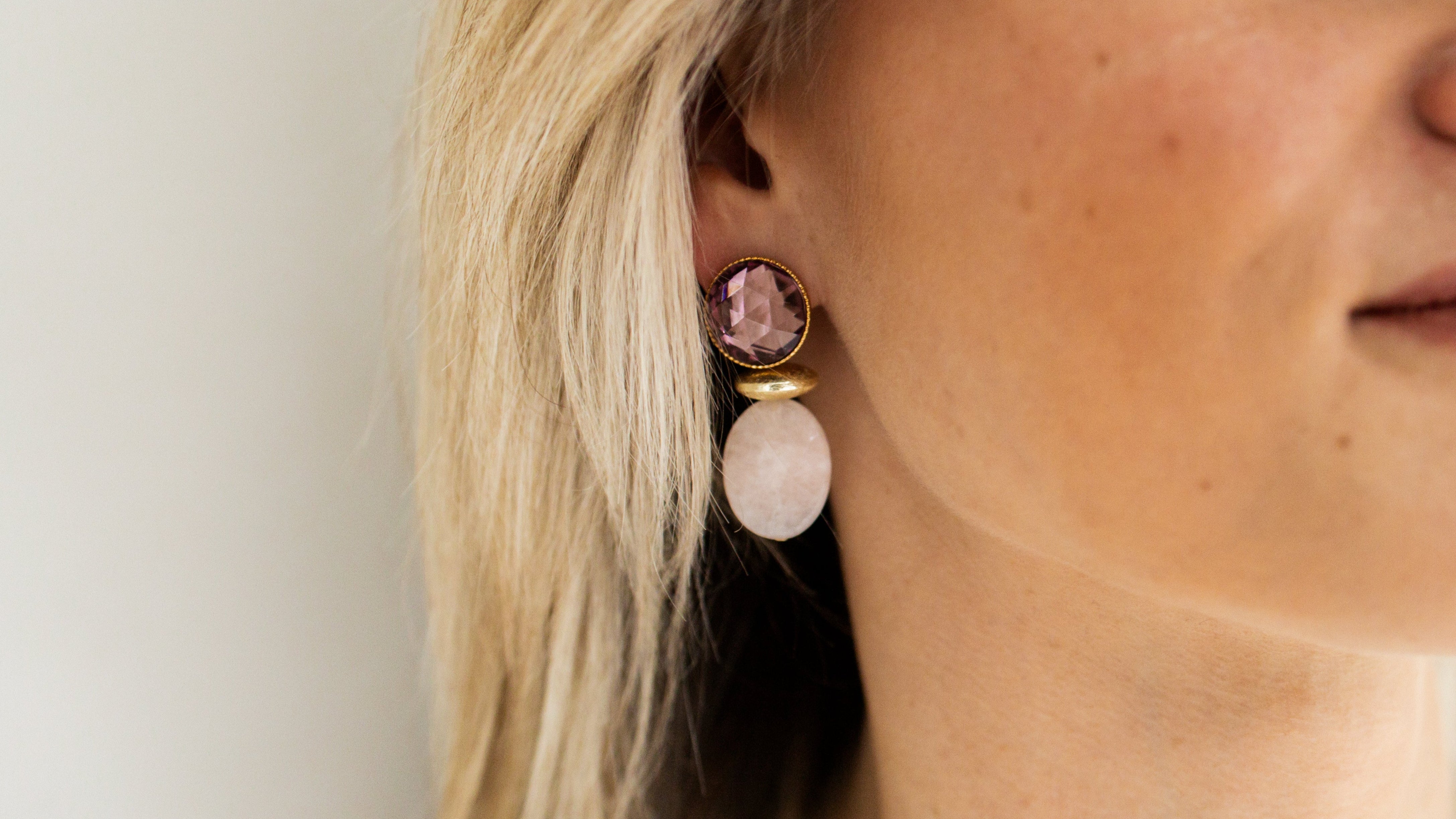
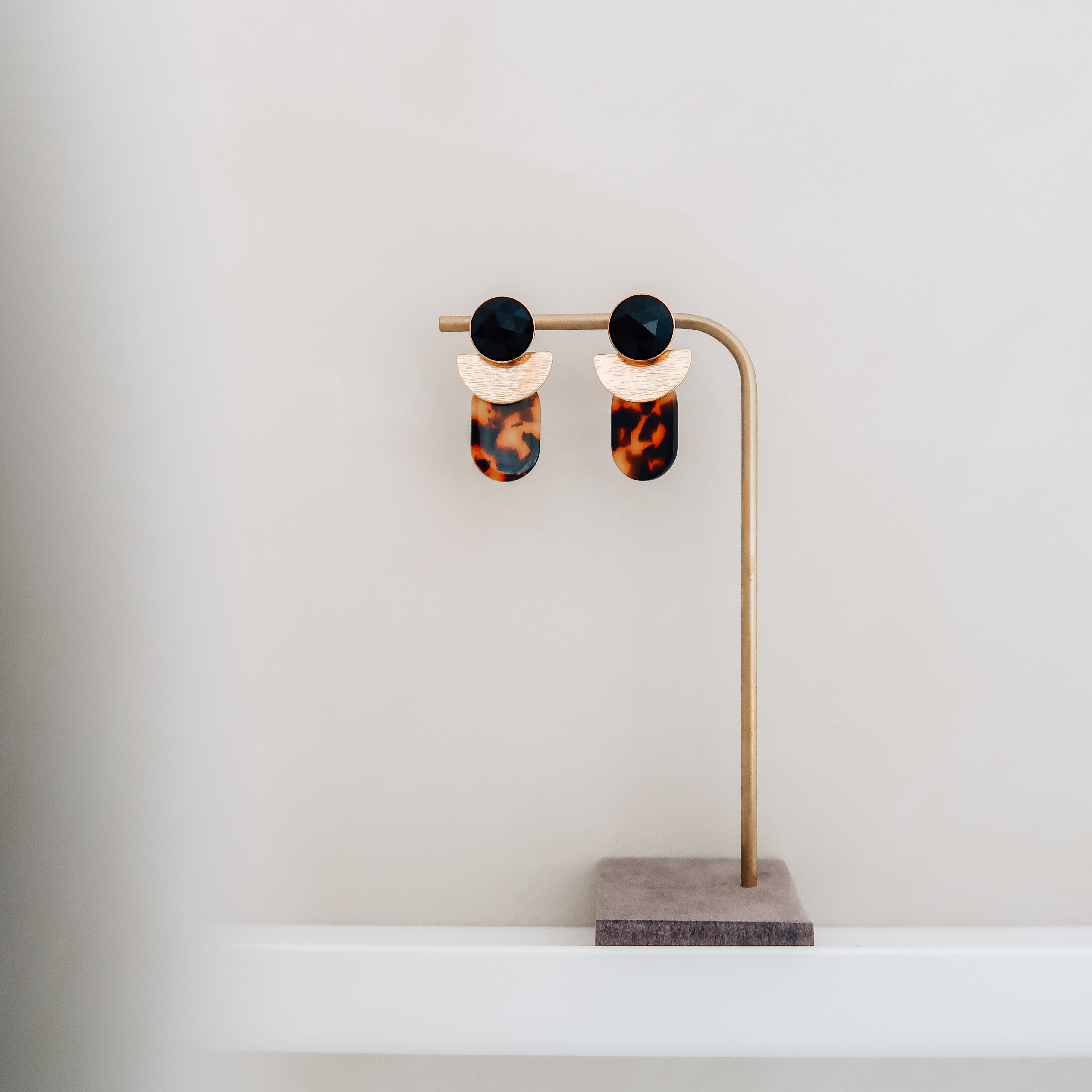
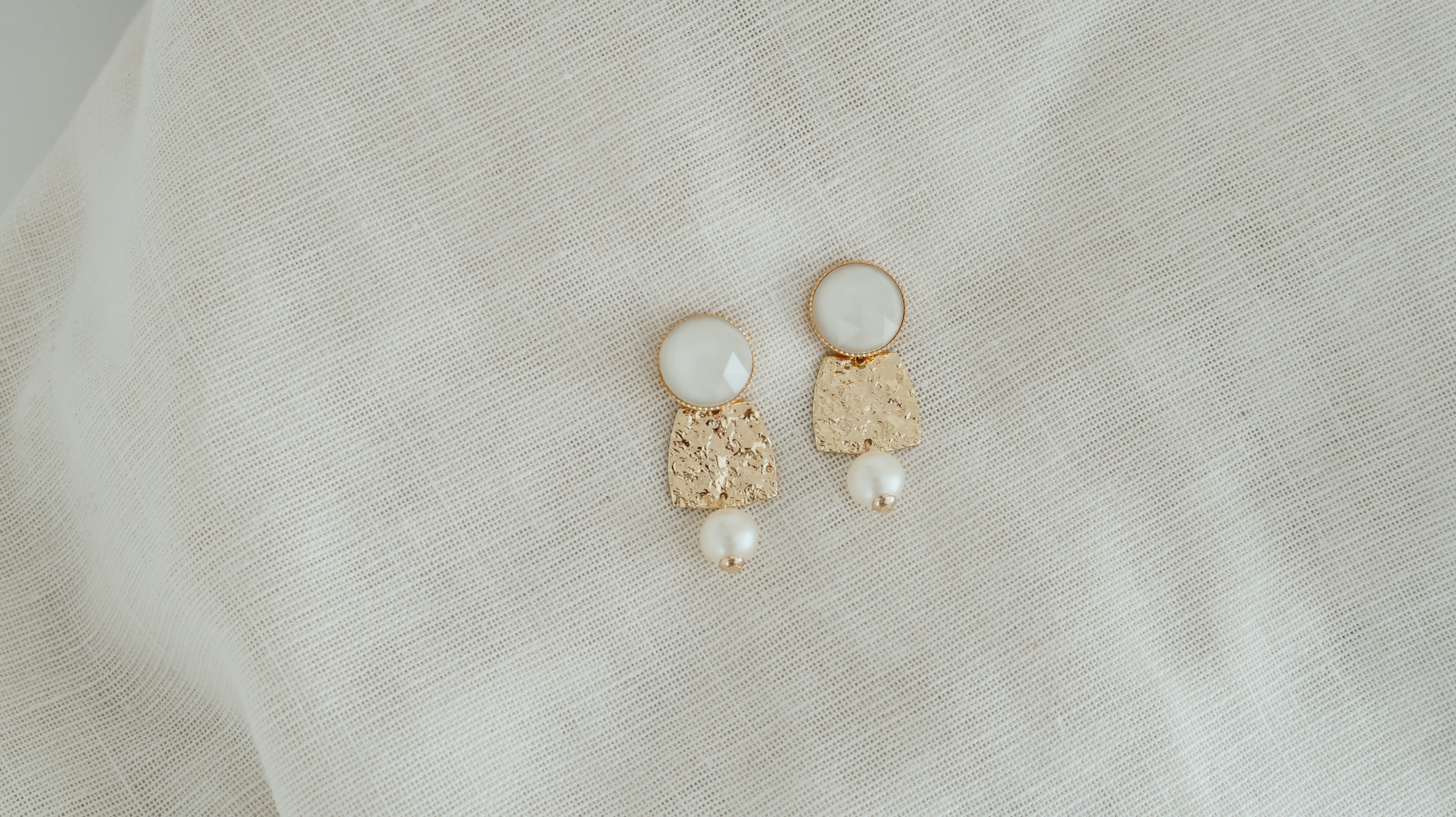
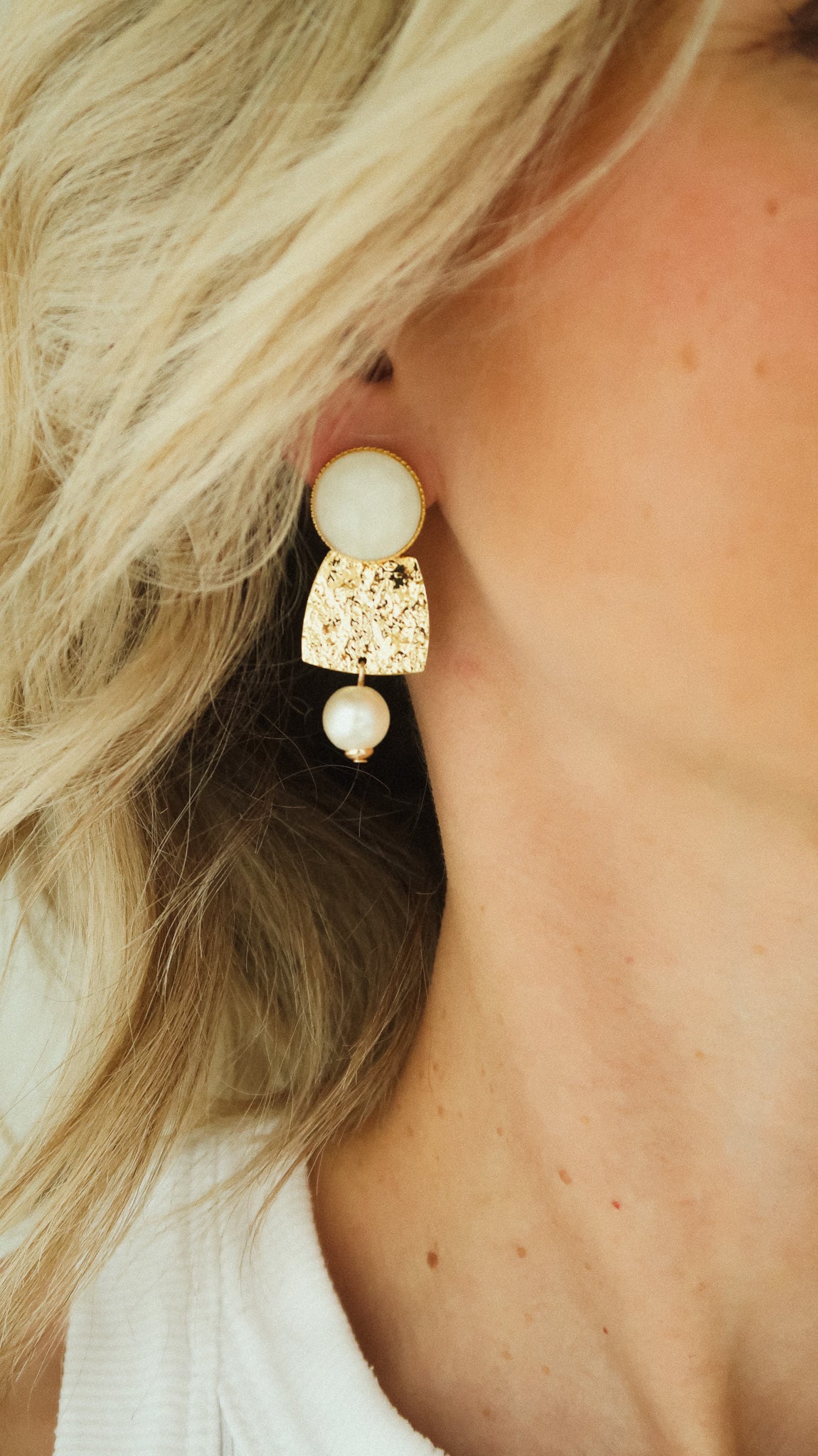
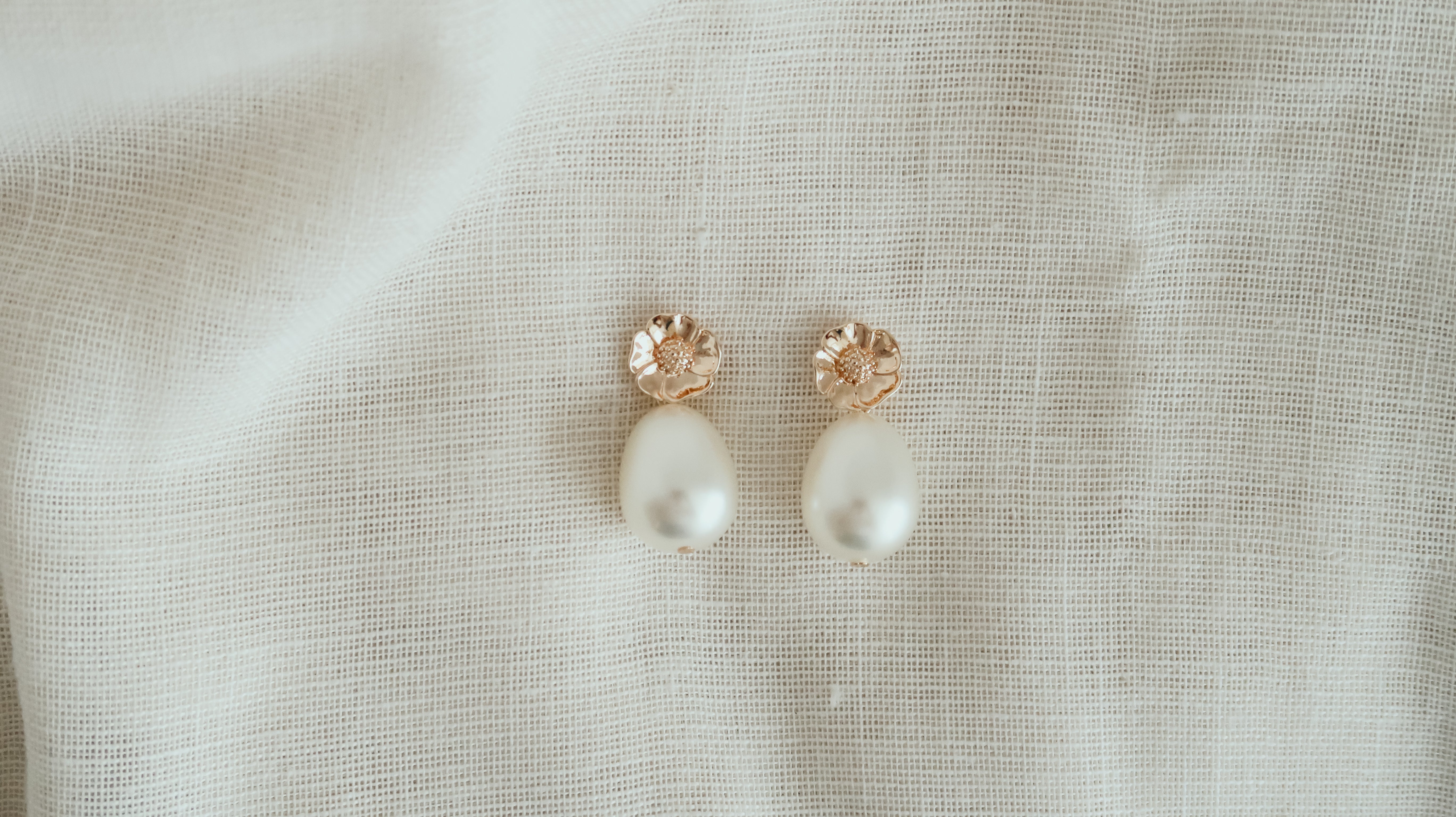
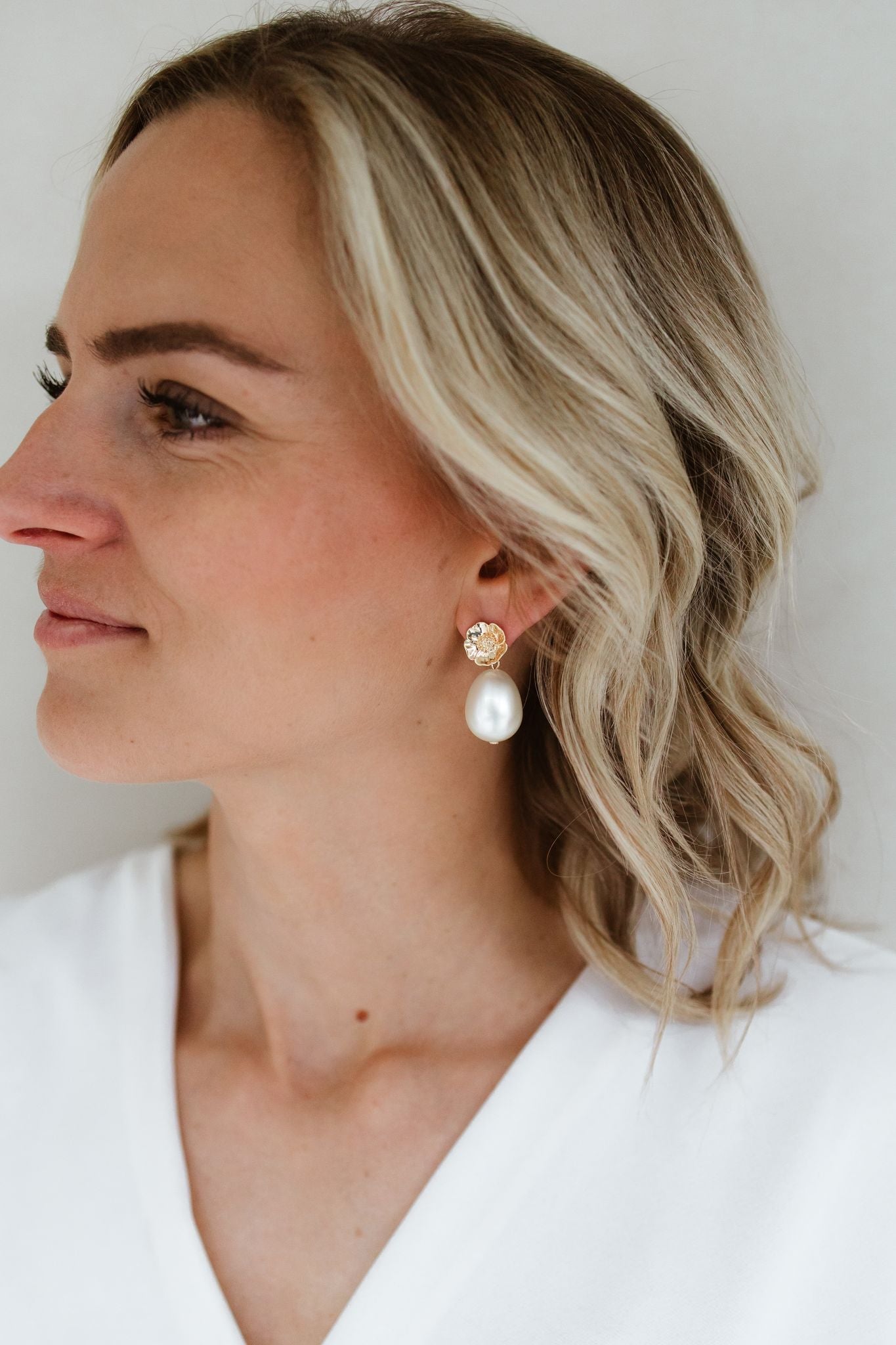
Handcrafted statement earrings








Swollen earlobe: 5 causes and what really helps
A swollen earlobe can appear out of nowhere: you notice a red bump or a thick-feeling lobe in the mirror one morning, and you wonder where it suddenly came from. In most cases, it's not a major pro...
Read more
Inflammation after ear piercing: the first 6 weeks without panic
A brand-new pair of piercings means you'll be extra conscious of your earlobes for days – and nights. A little warmth, a gentle ache, scabs... where's the line between normal healing and infection?...
Read more
Leave a comment