

Onderhoud 3 min lezen
Can you disinfect earrings with alcohol? What dermatologists recommend
In dit artikel
It's ingrained in many people: when in doubt, grab the rubbing alcohol to clean an earring or a piercing. However, that advice is outdated. Dermatologists now recommend something different. We explain why alcohol can do more harm than good, what to use instead, and – just as importantly – what to do if your ears repeatedly react.
The short answer: preferably not on your skin
Both rubbing alcohol and hydrogen peroxide are aggressive to your skin. They kill bacteria, but they also damage the healthy cells that are responsible for wound healing. The result: a piercing that heals slower, skin that dries out and becomes irritated, and – paradoxically – sometimes more inflammation than without disinfection.
For the earring itself (the metal), alcohol can sometimes be useful (see below), but for the skin around your earlobe or a fresh piercing, it is unnecessary and often harmful.
Why alcohol works against you
- It dries out the skin. Dry skin tears more easily and gives bacteria more opportunity.
- It disturbs the pH balance. Your skin has a slightly acidic pH that suppresses bacteria. Alcohol disrupts this balance.
- It stings. A fresh piercing is a small wound. Alcohol on it feels to many like an unwarranted pain.
- It doesn't solve the problem. If your irritation comes from a nickel allergy, no disinfectant will help — only switching to nickel-free.
What do dermatologists recommend instead?
For caring for a piercing or irritated earlobe, you should preferably choose:
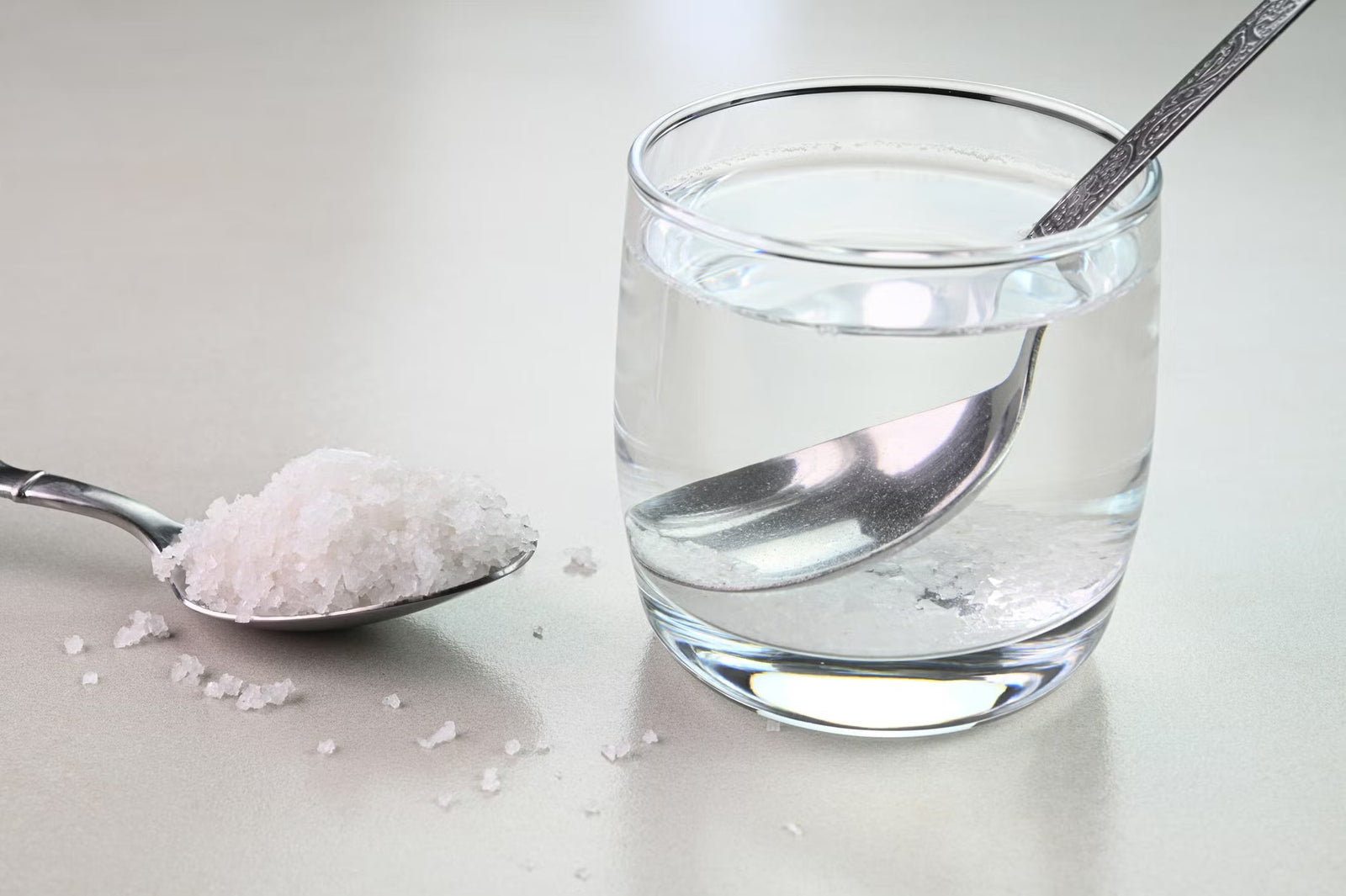
- A mild saline solution. A quarter teaspoon of sea salt in a cup of lukewarm, boiled water. Dab with a clean cotton swab, 1 to 2 times a day.
- Octenisept or a similar product based on octenidine. Available over-the-counter at the pharmacy, not painful and skin-friendly.
- Chlorhexidine 0.1% (aqueous solution). Often used after piercings and is milder than alcohol.
A detailed comparison between these options — with pros and cons for each product — can be found in our guide on which disinfectant is best to use for earrings.
When can you use alcohol on the earring itself?
You may occasionally clean the earring itself with some 70% alcohol on a cotton pad before inserting it into your clean piercing. This is different from applying alcohol directly to your skin. Always do this with clean hands and allow the alcohol to evaporate completely before putting the earring back in your ear — the last thing you want is to introduce alcohol into your piercing. For daily jewelry maintenance, read our guide on caring for handmade jewelry.
Common mistakes
- Daily disinfection "just in case". Unnecessary, and it disrupts the natural skin flora that protects you.
- Pushing cotton with alcohol deep into the canal. Not necessary and irritating.
- Combining alcohol with creams. The cream forms a layer under which the skin sweats — an ideal breeding ground for bacteria.
- Turning your earring too often. Formerly recommended along with alcohol — both pieces of advice are outdated.
- Hoping that alcohol will solve a nickel allergy. It doesn't resolve the symptoms, because the cause (the material) is still in your ear.
Addressing the cause instead of treating symptoms
Many people have been disinfecting for years, yet they continue to experience recurring complaints. At that point, disinfectant is not the answer. Often the problem lies with nickel, a metal hidden in many cheap earrings that can trigger a persistent contact allergy. Once this hypersensitivity is active, it usually remains for life.
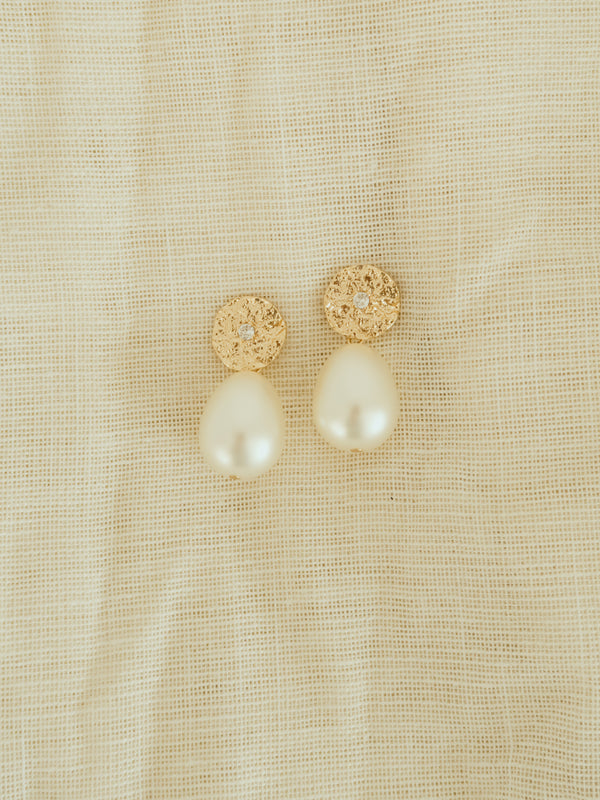
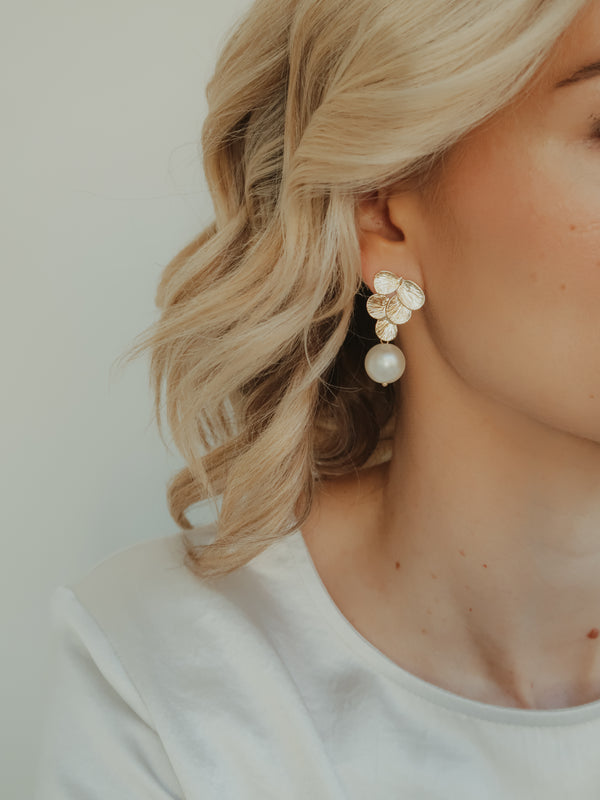
The sustainable solution is simple: earrings that are demonstrably nickel-free. All Petit Bonbon earrings are 100% nickel-free, lead- and cadmium-free. This is not an afterthought claim, but the primary design rule in our studio in Dendermonde. Lightweight models for healing ears — such as Sofie veil, Mae perle or Naia opal — give your ear a chance to truly rest.
Our guide on nickel-free earrings for sensitive ears further explains why the material is the most underestimated part of an earring. Do you have doubts about a specific model? Contact us, we are happy to advise.
Are you unsure about the condition of your ear? Our pillar preventing inflamed earlobes describes all the do's and don'ts. For persistent complaints, always contact your doctor or pharmacist.
Shop dit artikel
Kind to sensitive ears
All Petit Bonbon earrings are 100% nickel-free, lead-free and cadmium-free — handmade in Dendermonde, made to be worn comfortably every day.
Discover moreMake your outfit stand out
Handcrafted statement earrings





Is an infected earlobe dangerous? Here's how to recognize warning signs
A red, sensitive earlobe is usually nothing more than a temporary irritation. In rare cases, it indicates something that does deserve attention. We list the seven warning signs—clearly and without ...
Read more
How is a new earring created in our studio? A look behind the scenes
Have you ever wondered how much work goes into that one pair of earrings that just feels right? An earring that doesn't pull, doesn't itch, and has just the right amount of sparkle rarely happens b...
Read more
Leave a comment