

Nikkelvrij 3 min lezen
Is an infected earlobe dangerous? Here's how to recognize warning signs
In dit artikel
A red, sensitive earlobe is usually nothing more than a temporary irritation. In rare cases, it indicates something that does deserve attention. We list the seven warning signs—clearly and without scaremongering—so you know when you can safely treat it at home and when you should contact a doctor. And we conclude with the part most articles skip: how to completely prevent the next inflammation.
Most inflamed earlobes are not dangerous
Redness, a slight warmth, and a little sensitivity with a fresh piercing or after changing an earring are normal. The same applies to a brief irritation caused by a new earring or sleeping on your ear for a night. In these cases, the symptoms usually resolve within a few days with gentle care—a clean saline solution, wearing a lighter earring for a while or nothing at all, and some rest for the ear.
The good news norm: 9 out of 10 inflamed earlobes have a simple cause and heal at home. Our pillar on preventing inflamed earlobes describes this basic routine in detail.
The 7 warning signs you should pay attention to
One or more of these signs? Then it's wise to contact your GP or out-of-hours service—the same day or the day after.
- 1. Rapidly increasing swelling. If your earlobe becomes noticeably thicker over a matter of hours, there is likely an active infection behind it.
- 2. A red line extending towards your neck. This could indicate an inflammation of a lymphatic vessel (lymphangitis) and should be assessed the same day.
- 3. Fever. Above 38 °C in combination with an inflamed ear: contact a doctor.
- 4. Severe, throbbing pain. Pain that disrupts your sleep or that you can no longer control with paracetamol is a signal.
- 5. Pus that doesn't disappear or has an unpleasant smell. For much more than a day or two, you'd better call.
- 6. A hard, painful lump. Possibly an abscess—do not try to prick it open at home, but have it assessed.
- 7. An earring or clasp that has become embedded. A doctor can safely free this without further damage.
Special attention: children, pregnancy, diabetes
In certain profiles, the body reacts differently to infection. Call a doctor sooner if:
- it concerns a child and symptoms do not improve within 24-48 hours;
- you are pregnant;
- you have diabetes, a weakened immune system, or a skin condition that causes infections to spread more quickly.
For children's ears in particular, we have a separate guide: the first earring for children.
What to do while waiting for your appointment?
Until you see or call your doctor:
- Wash your hands before each touch.
- Clean 2 to 3 times a day with saline solution. No alcohol or hydrogen peroxide.
- Leave the earring in unless it is clearly the cause and you can easily remove it.
- Avoid swimming pools, saunas, and makeup around the ear.
- Sleep on the other side and keep hair away from the ear.
Paracetamol may be used for adults and children in the usual dosage for pain. If there is no improvement after 48 hours? Don't wait, contact a doctor.
How to prevent it next time?
Most inflamed earlobes are not the first, nor the last—unless you address the cause. This comes down to three choices:
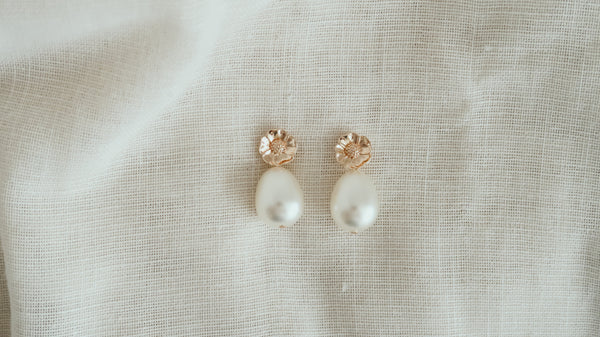
- Material free of nickel, lead, and cadmium. Nickel is hidden in many cheap alloys. At Petit Bonbon, every pair is 100% nickel-free and hypoallergenic by design—not a marketing claim, but a design rule.
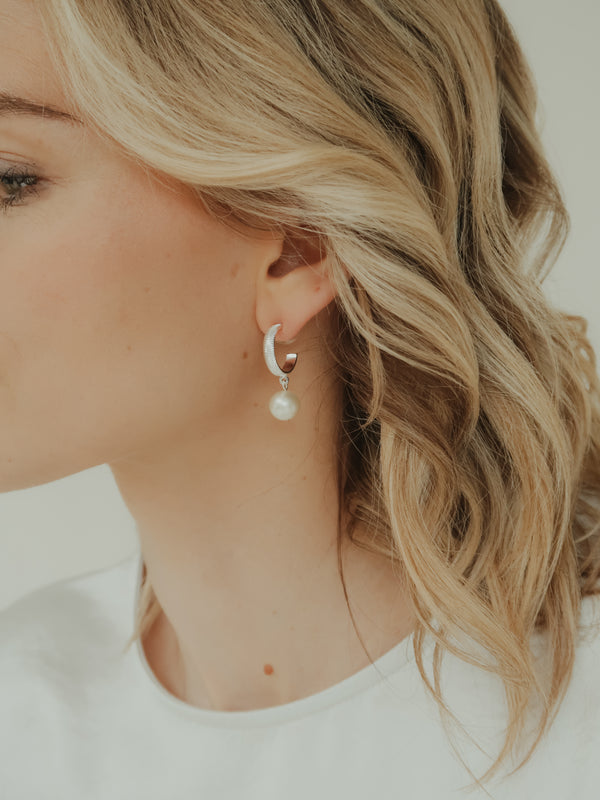
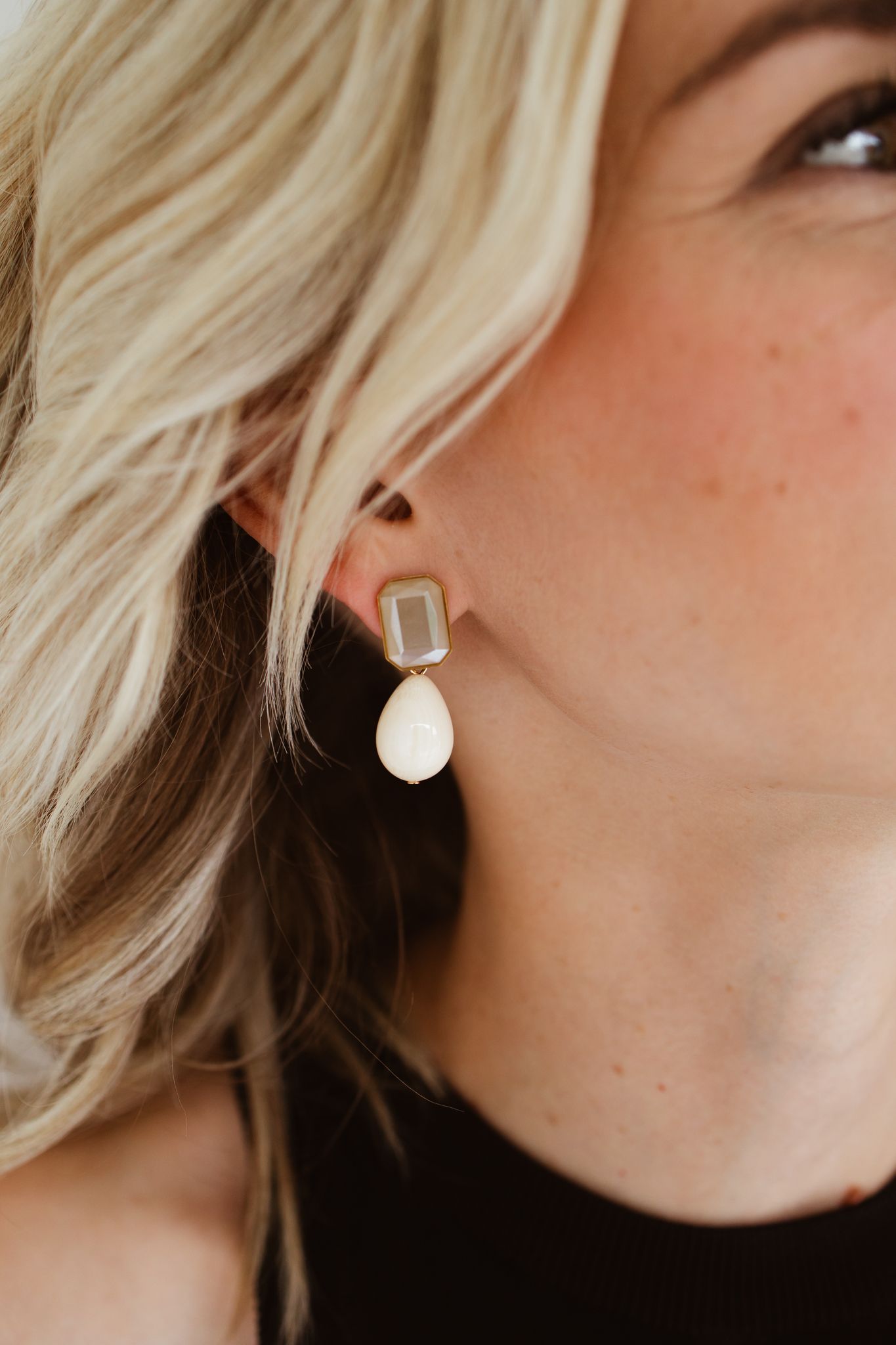
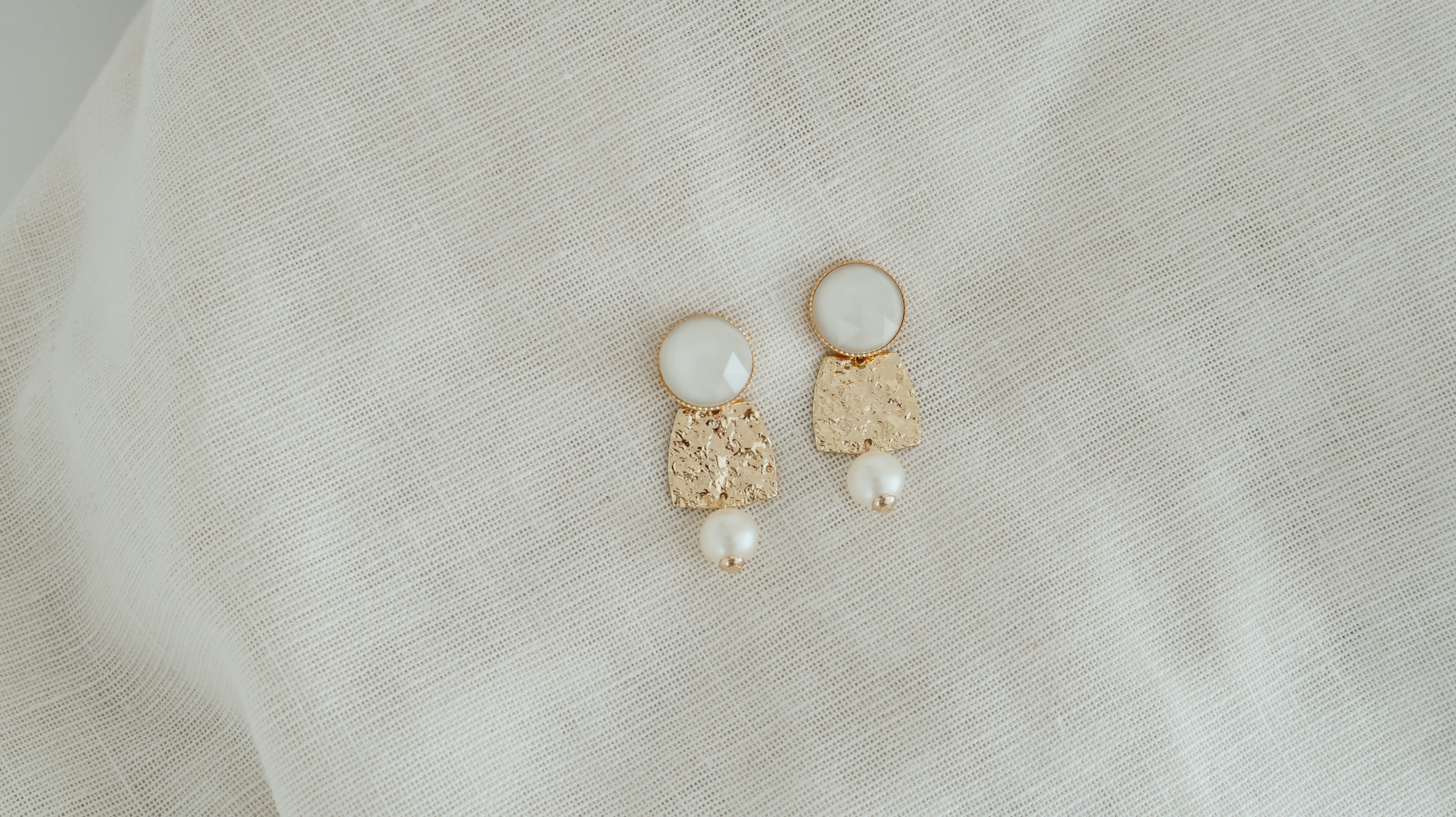
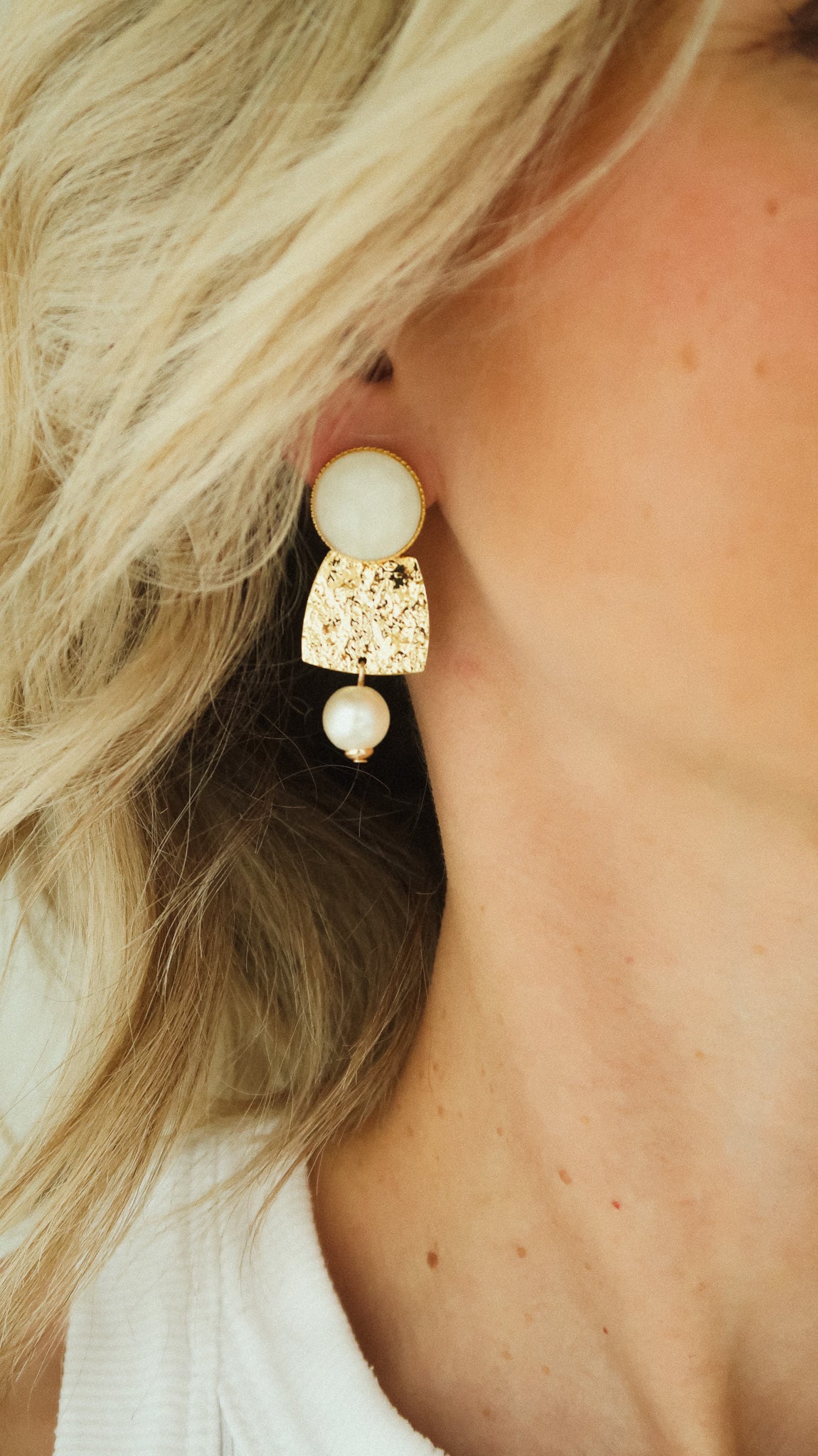
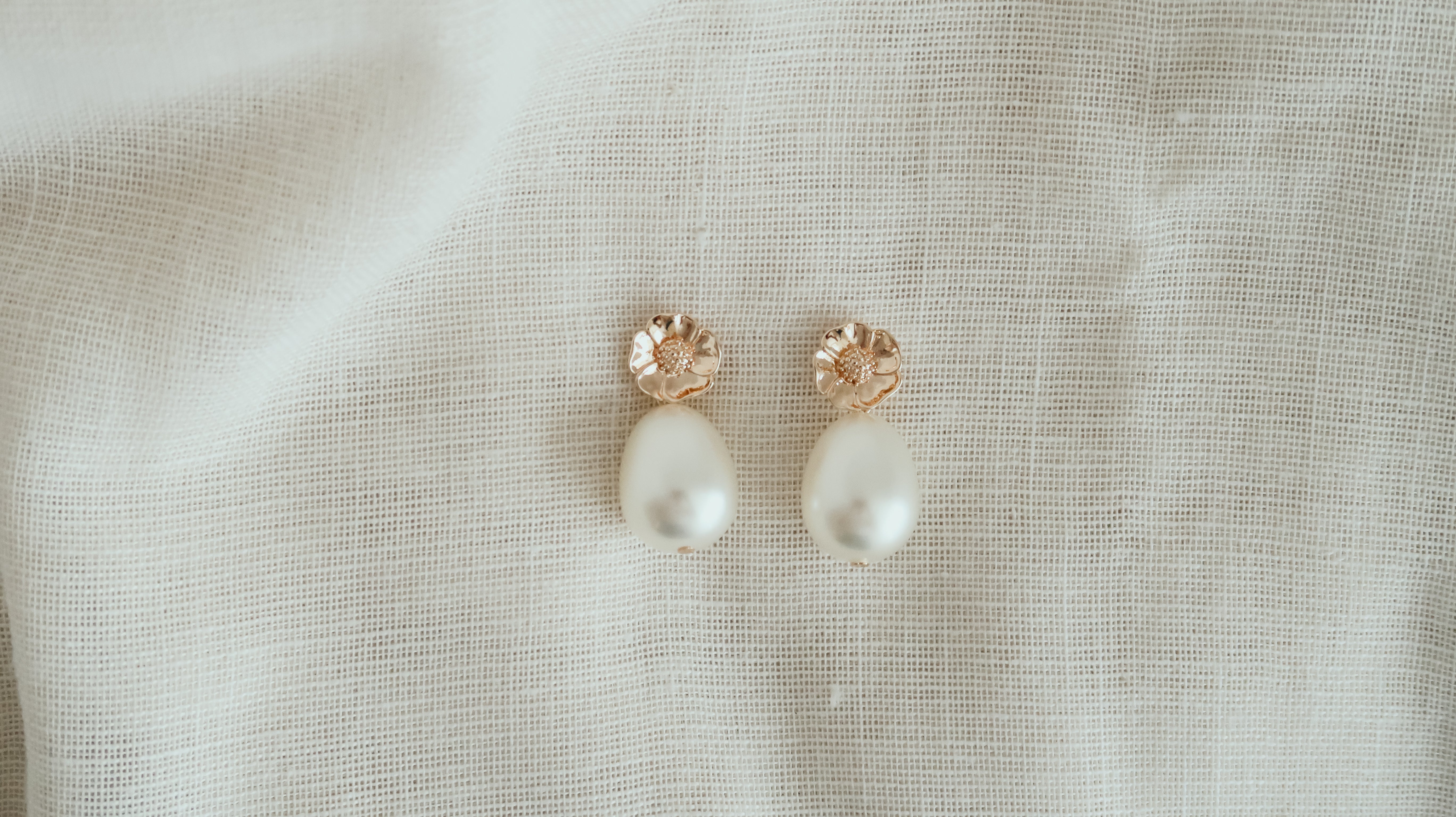
- A lightweight model for daily wear. Heavy dangle earrings put pressure on your earlobe and irritate the canal. For sensitive ears, we recommend lightweight studs or mini-hoops, such as Manou, Ada snow or Kaia oat.
- A consistent hygiene routine, not a panic reflex. Wash hands before every change, remove earrings before swimming and showering, and gently clean with saline solution—that's all you need.
Our earrings are all hand-finished in our studio in Dendermonde, with attention to what you don't see: alloy, clasp, post. These details are precisely what determine if your ear stays happy.
This is general information, not medical advice. When in doubt: always contact your GP or pharmacist.
Shop dit artikel
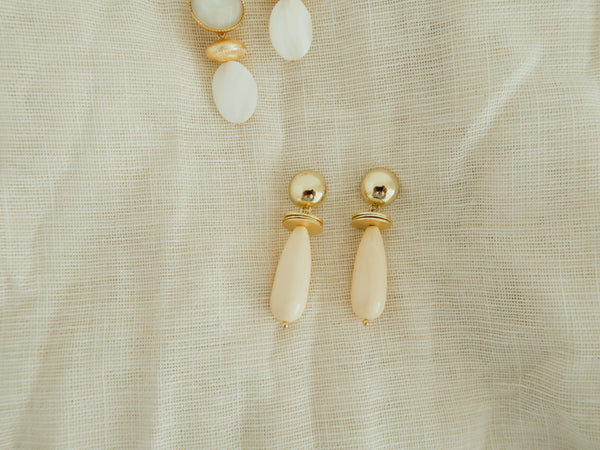
Kind to sensitive ears
All Petit Bonbon earrings are 100% nickel-free, lead-free and cadmium-free — handmade in Dendermonde, made for comfortable daily wear.
Discover moreMake your outfit stand out
Handcrafted statement earrings









Pus from your ear piercing: what do you do and when is it serious?
Pus from your ear piercing can be alarming, especially if you've just got a new earring. In most cases, it's not a major issue — a fresh piercing naturally produces fluid. But you do need to know t...
Read more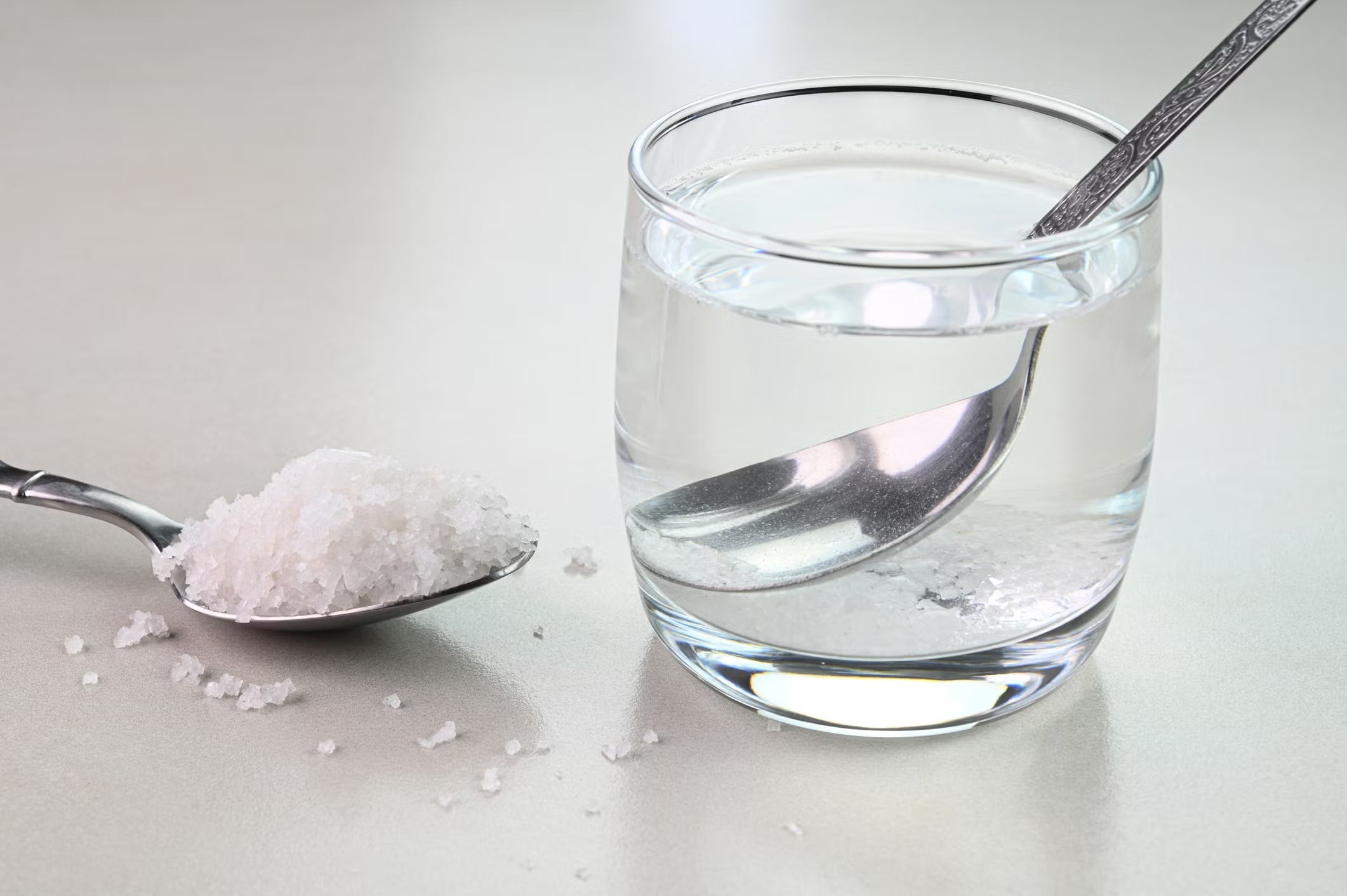
Can you disinfect earrings with alcohol? What dermatologists recommend
It's ingrained in many people: when in doubt, grab the rubbing alcohol to clean an earring or a piercing. However, that advice is outdated. Dermatologists now recommend something different. We expl...
Read more
Leave a comment