

Verzorging 2 min lezen
Closed ear piercing: reopen or let it close?
In dit artikel
You haven't worn your earrings for a few months, and suddenly you can't get them back in. A closed-up ear piercing can be annoying, especially if it was your favorite spot for jewelry. Before you try to force it yourself or get it re-pierced: there are several options, and the right one depends on how long you haven't worn an earring, whether there were ever complications, and how you want to use it. Let's go through the choices.
How long does it take for an ear piercing to close?
That varies greatly per person. A fresh piercing (younger than six weeks) can close up in a few hours to days. An old piercing (worn daily for years) can remain open for years without an earring. In between is a gray area: six months without an earring might mean the canal is still half open for one person, but completely closed for another. Try gently with a thin, smooth stud (do not force a point). If you feel resistance beyond a few millimeters, it's too closed.
Option 1: let it close
Sometimes the simplest choice is to just let it go. If you no longer need the piercing or prefer wearing clip-ons, nothing needs to be done. The body will naturally fill the spot with scar tissue. Sometimes a small dot or thickening remains visible; this often slowly disappears over the years.
Option 2: re-pierce through the same spot
A piercer or doctor can pass a needle through the old spot, provided there is no inflammation or thick scar tissue. Advantage: no new canal needed, your old position is maintained. Disadvantage: scar tissue is harder and can be slightly more sensitive during piercing. Avoid the piercing gun and choose a piercer who works with a sterile needle.
Option 3: a new piercing right next to the old one
Sometimes the old canal is full of scar tissue or too close to a previous problem. A piercer can then create a new canal right next to the old spot – often with hardly any visible difference in position, but a healthy, fresh canal. This is often the best option if you've consistently had infections in that spot in the past.
Aftercare after reopening
Treat a reopened piercing like a completely new piercing: leave the same earring in for at least six weeks, rinse twice a day with saline solution, do not rotate, and do not replace before the six weeks are up. More about the first few weeks after piercing can be found in our week-by-week guide for fresh ear piercings.
Which earring do you choose for the first change?
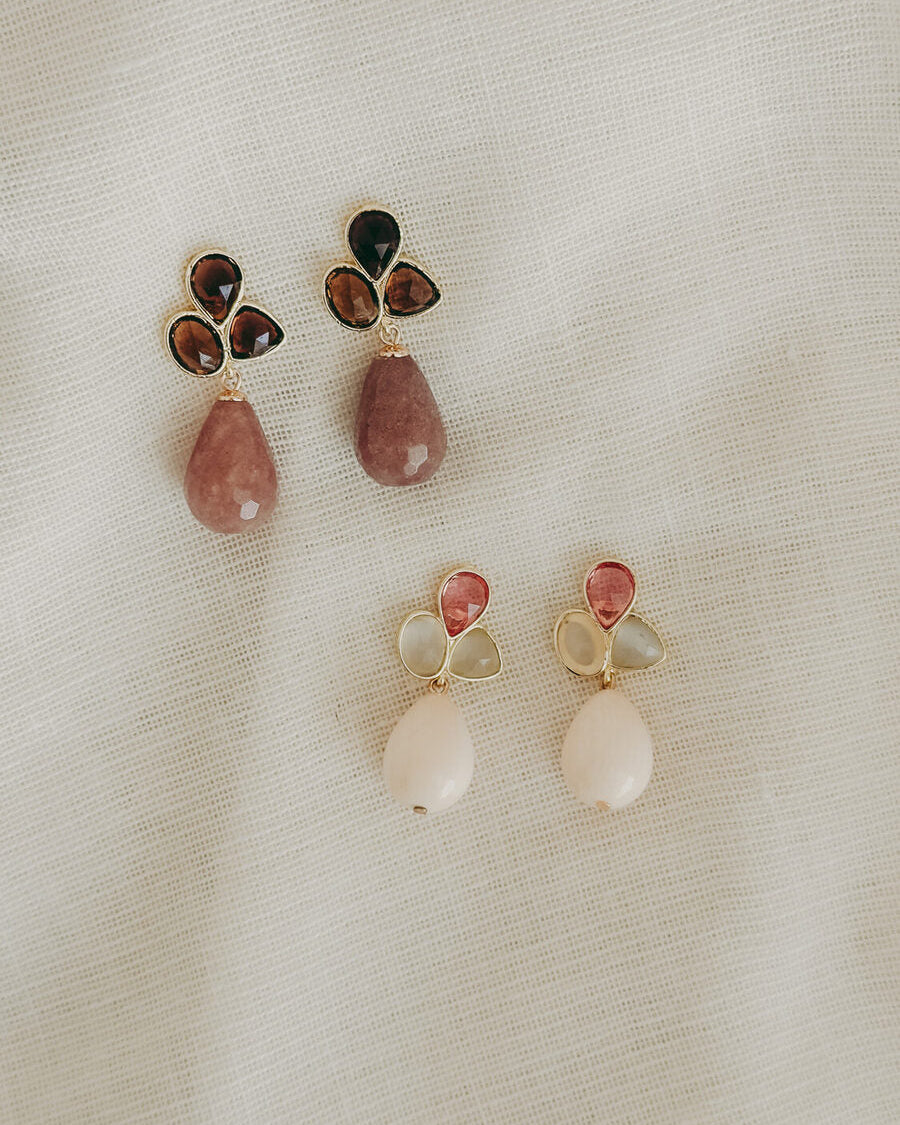
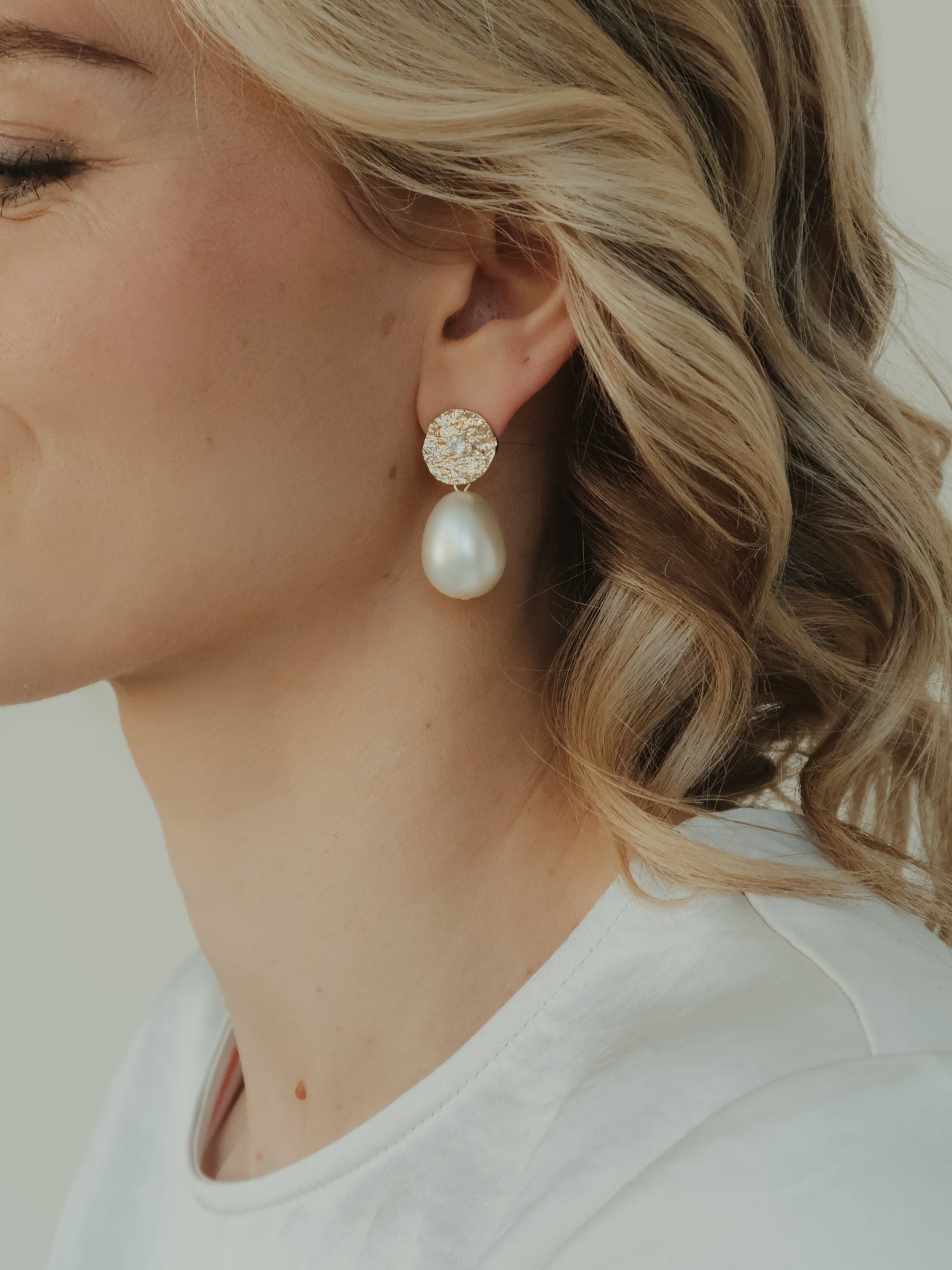
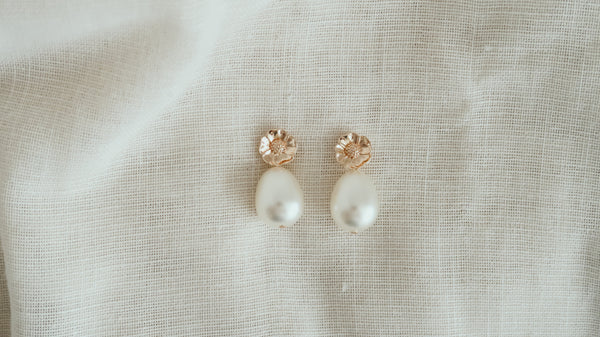
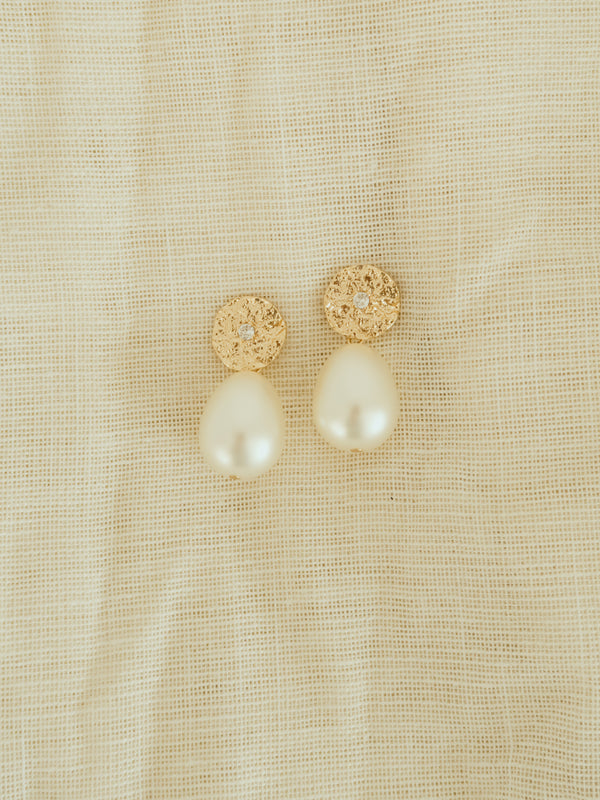
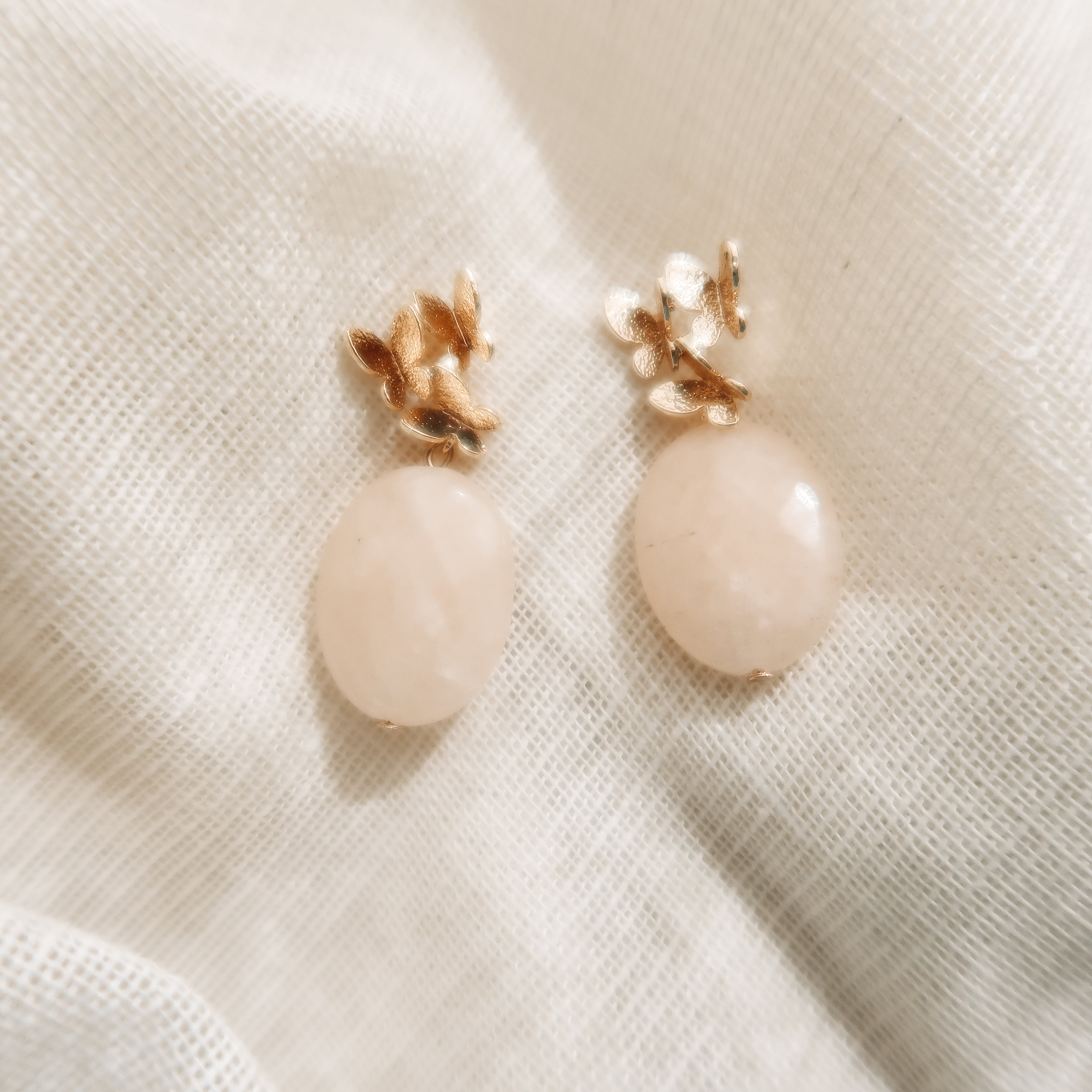
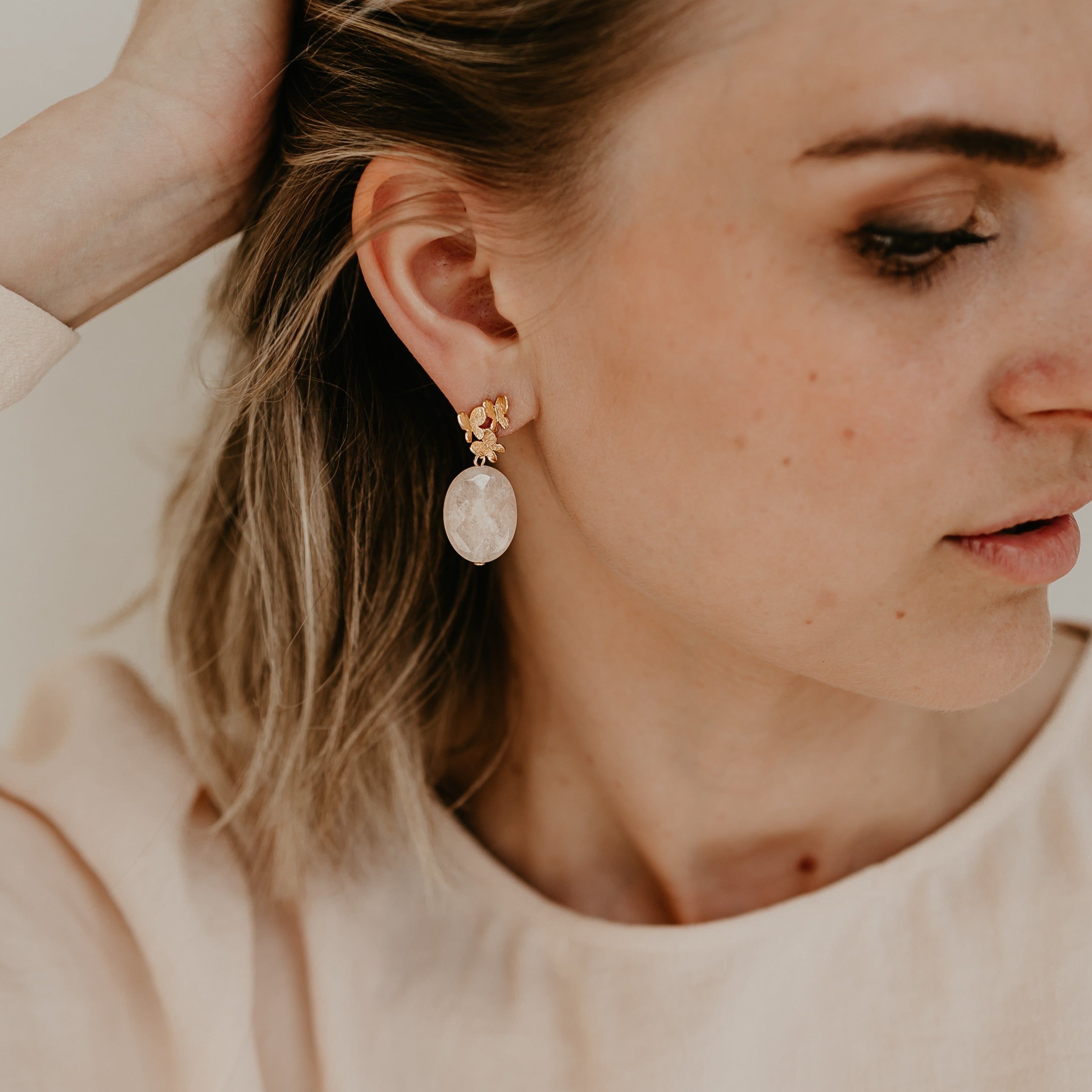
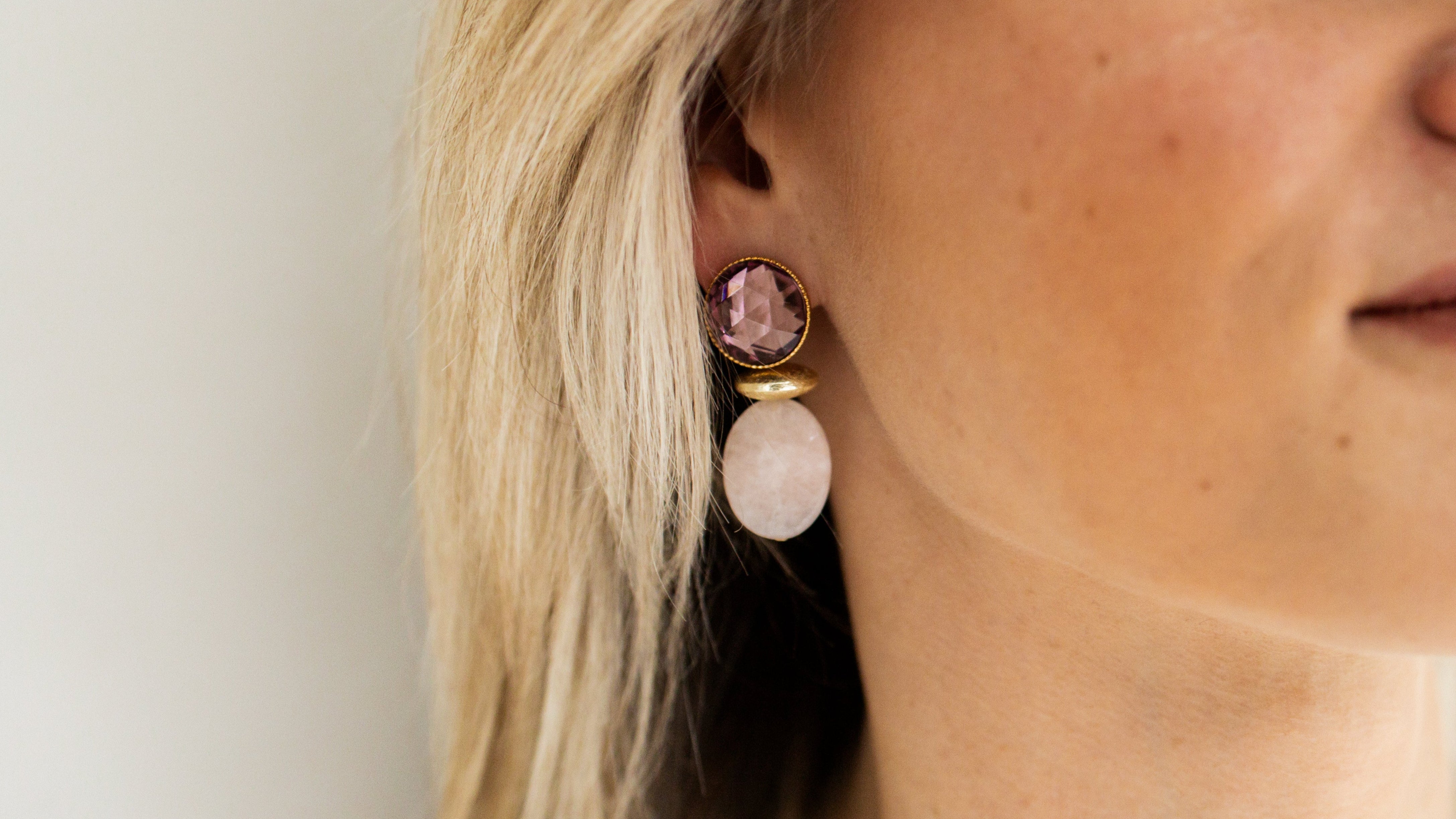
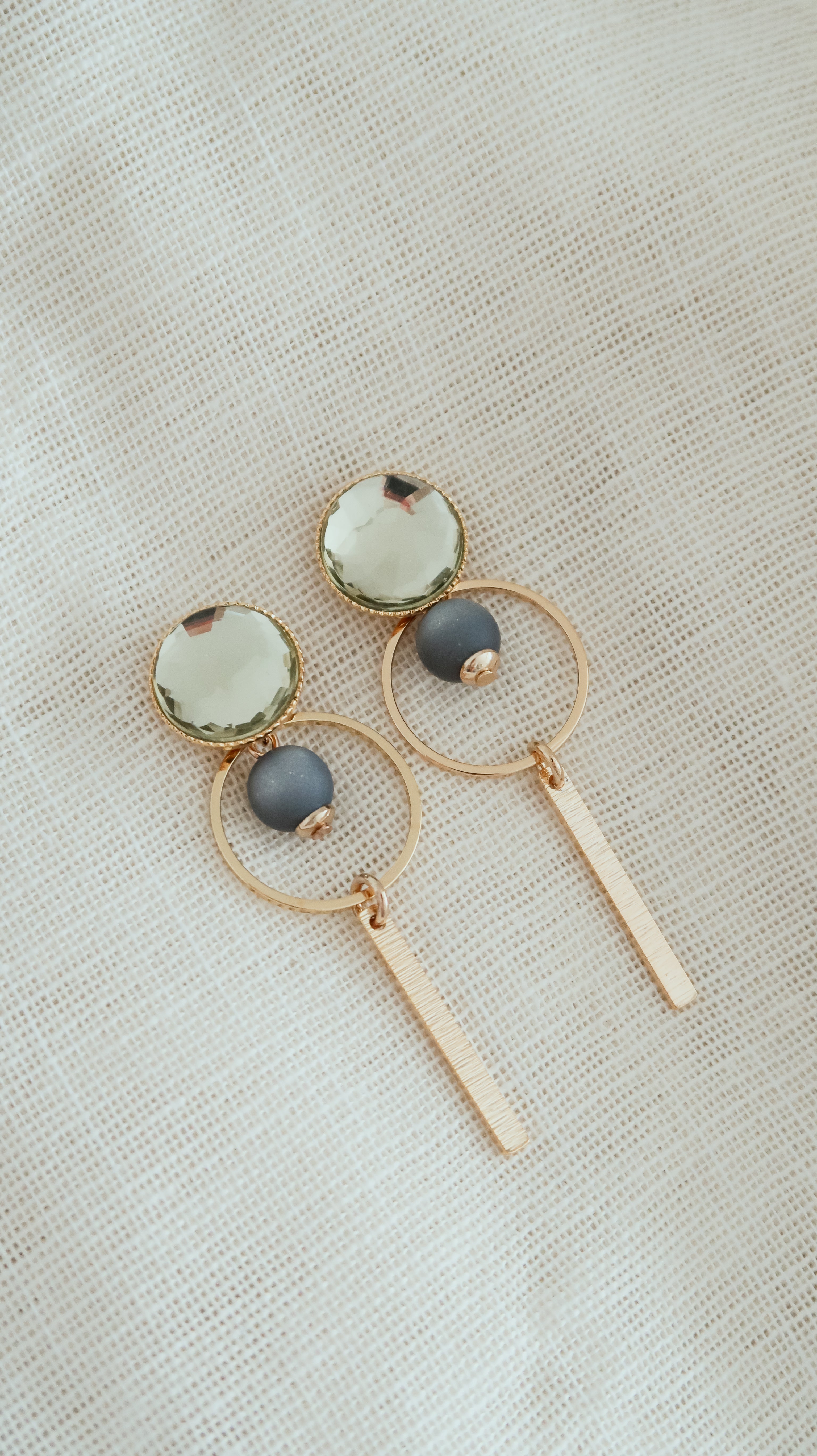
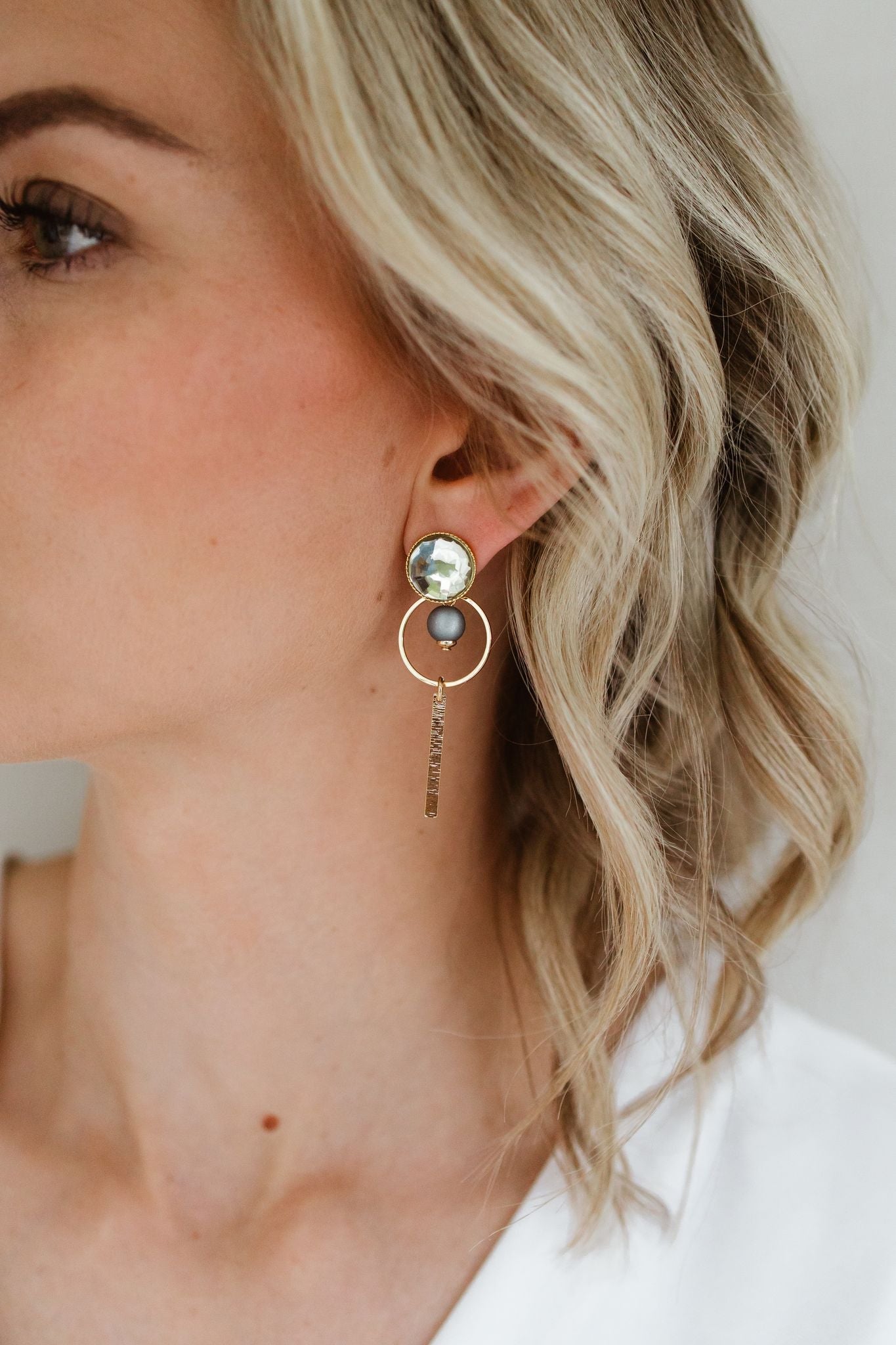
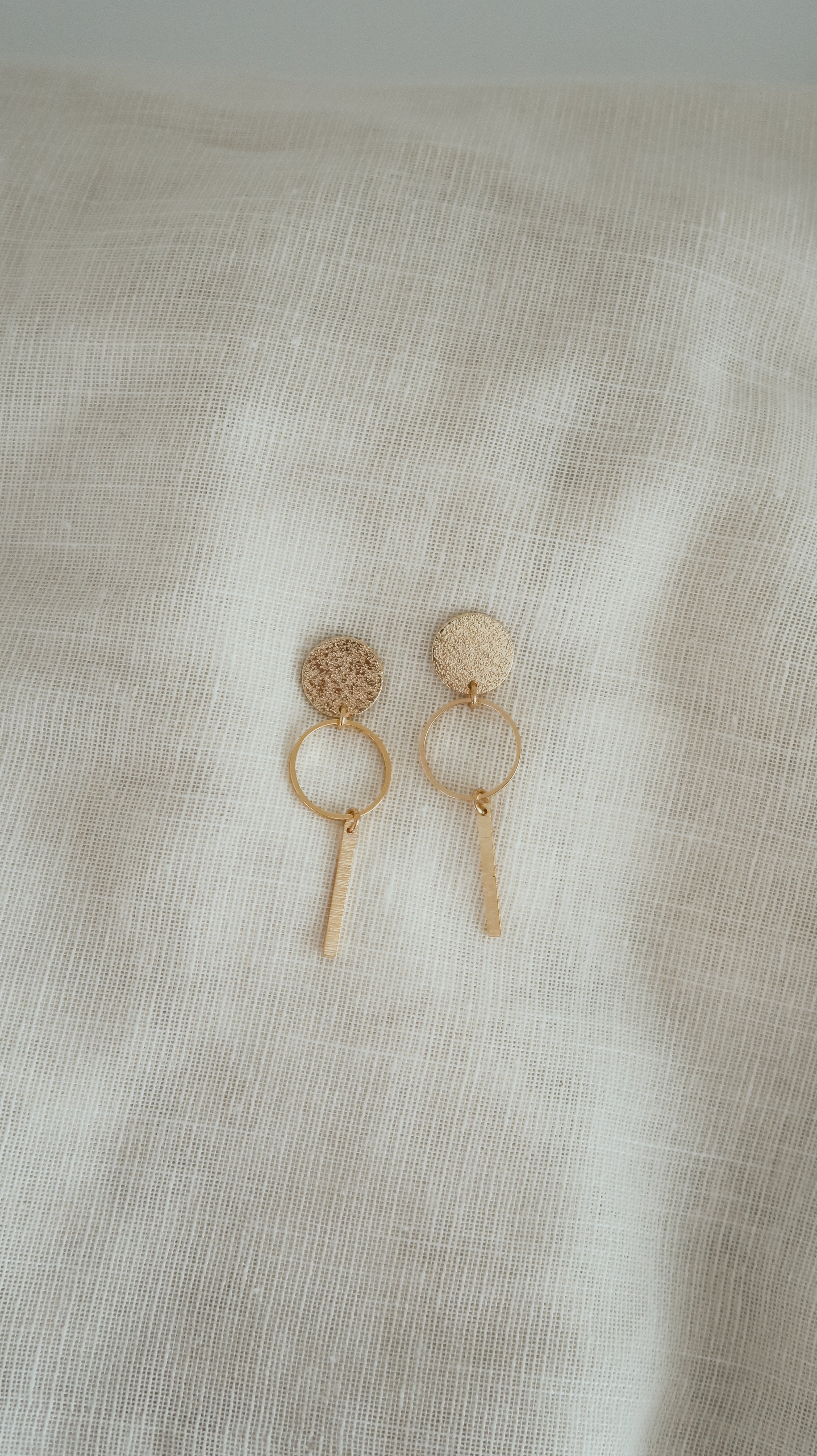
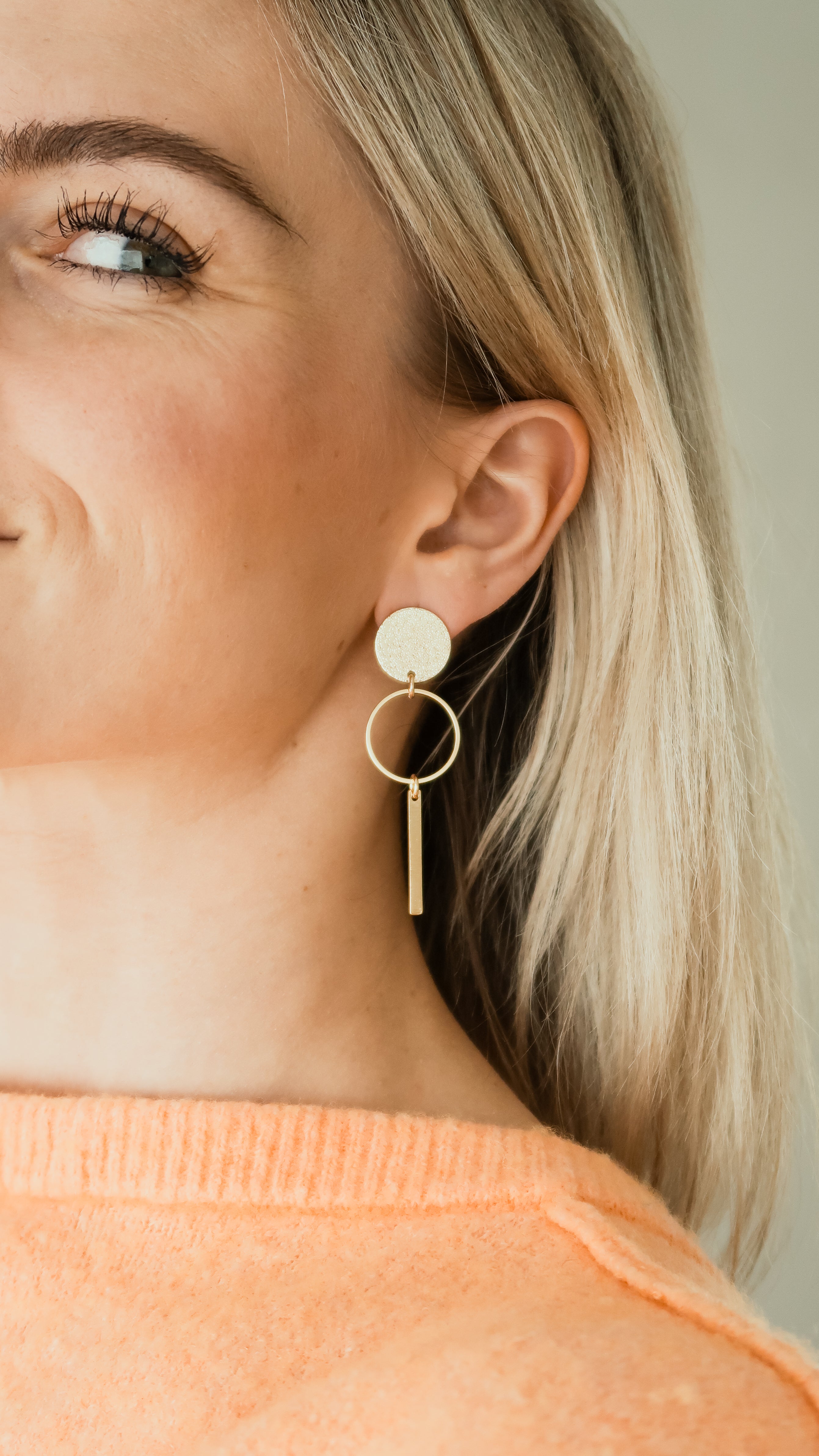
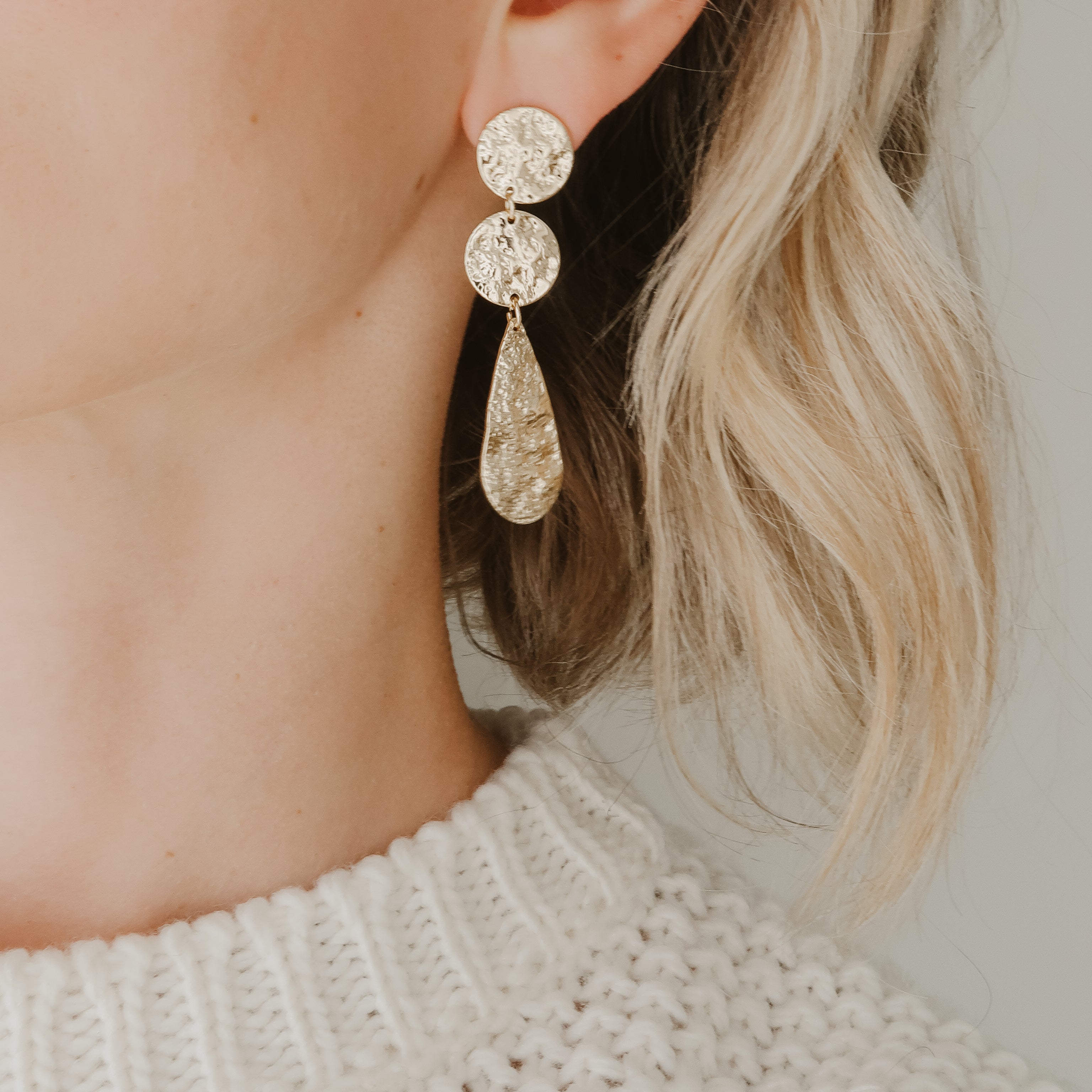
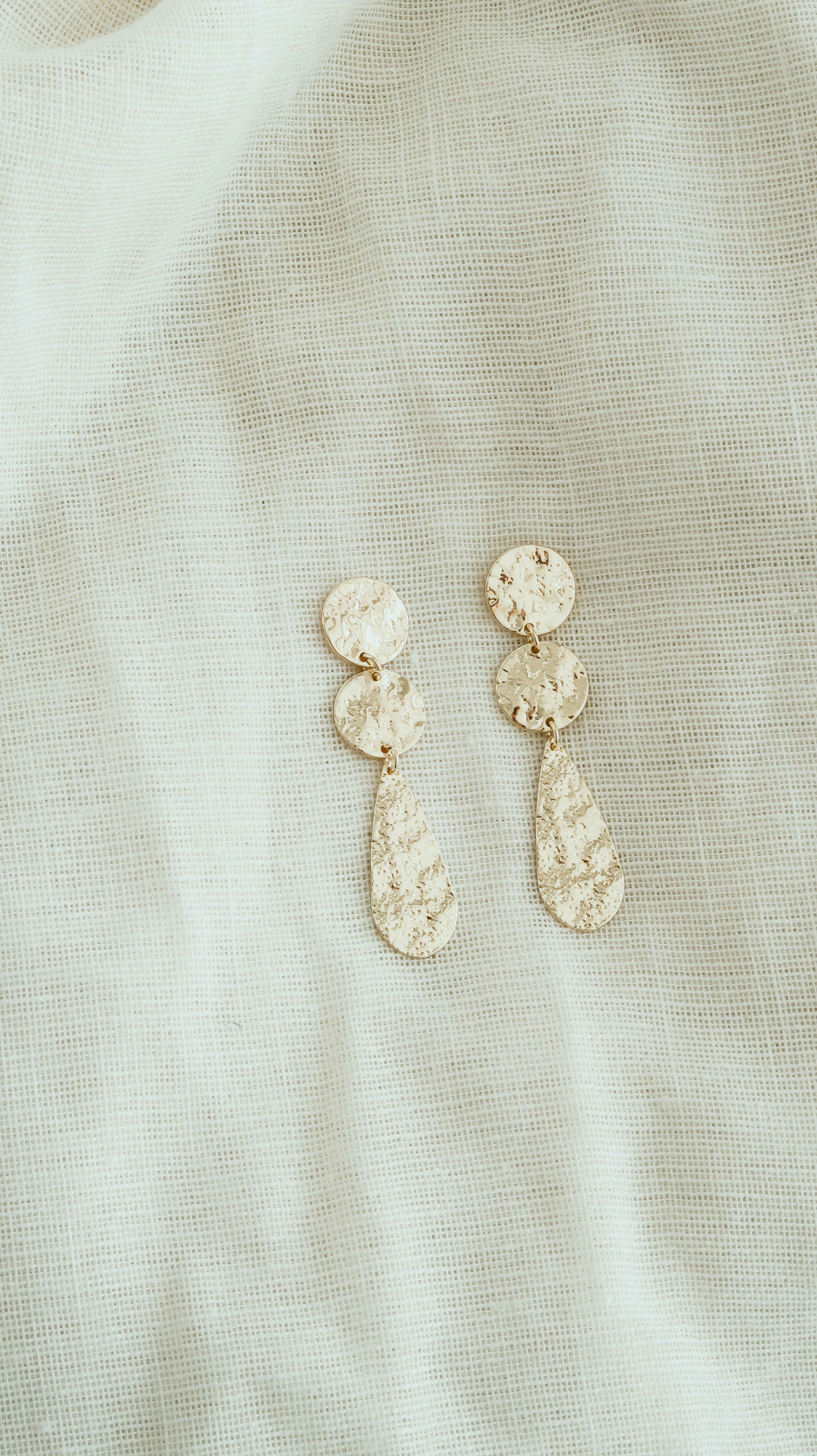
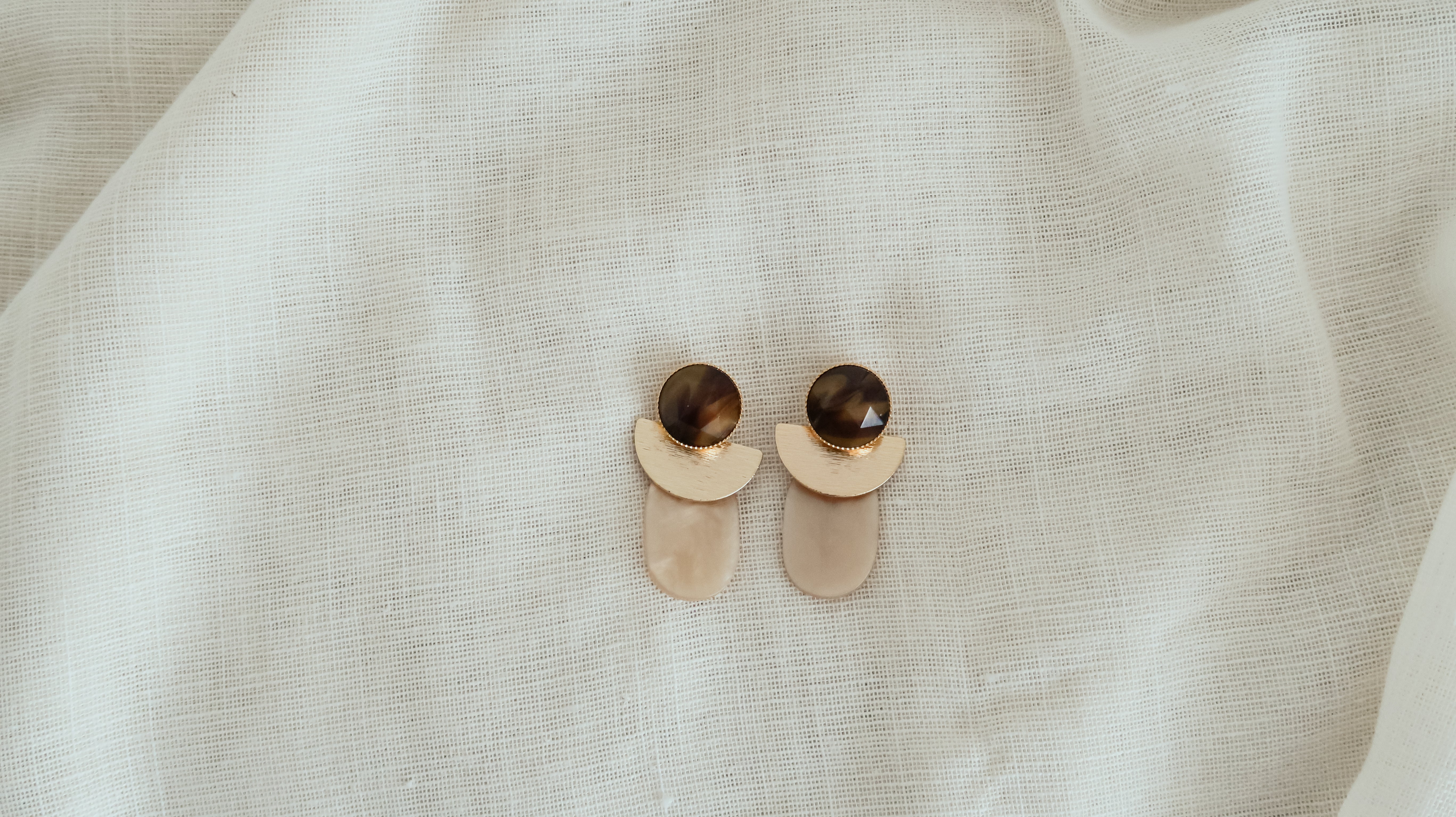
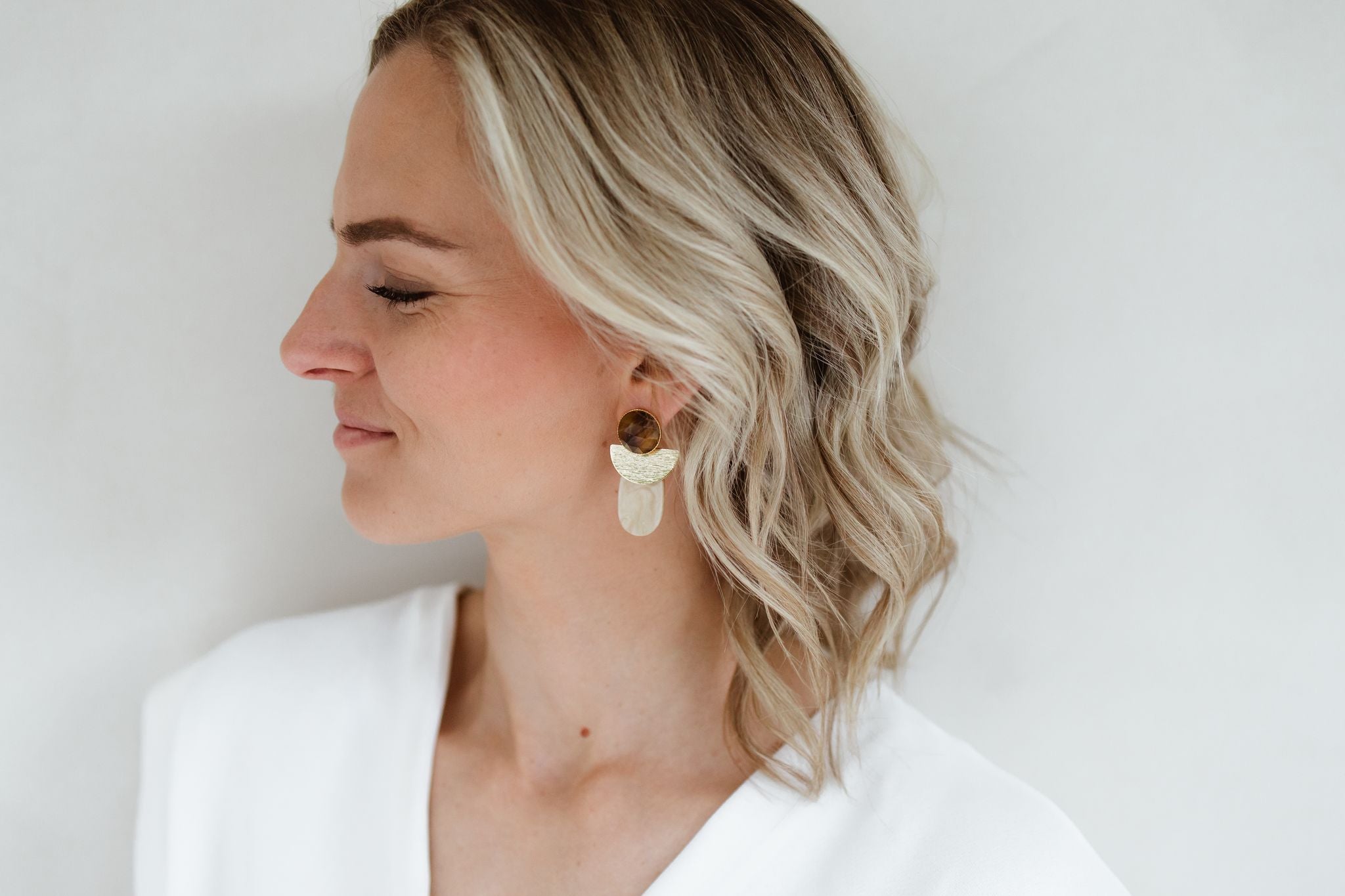
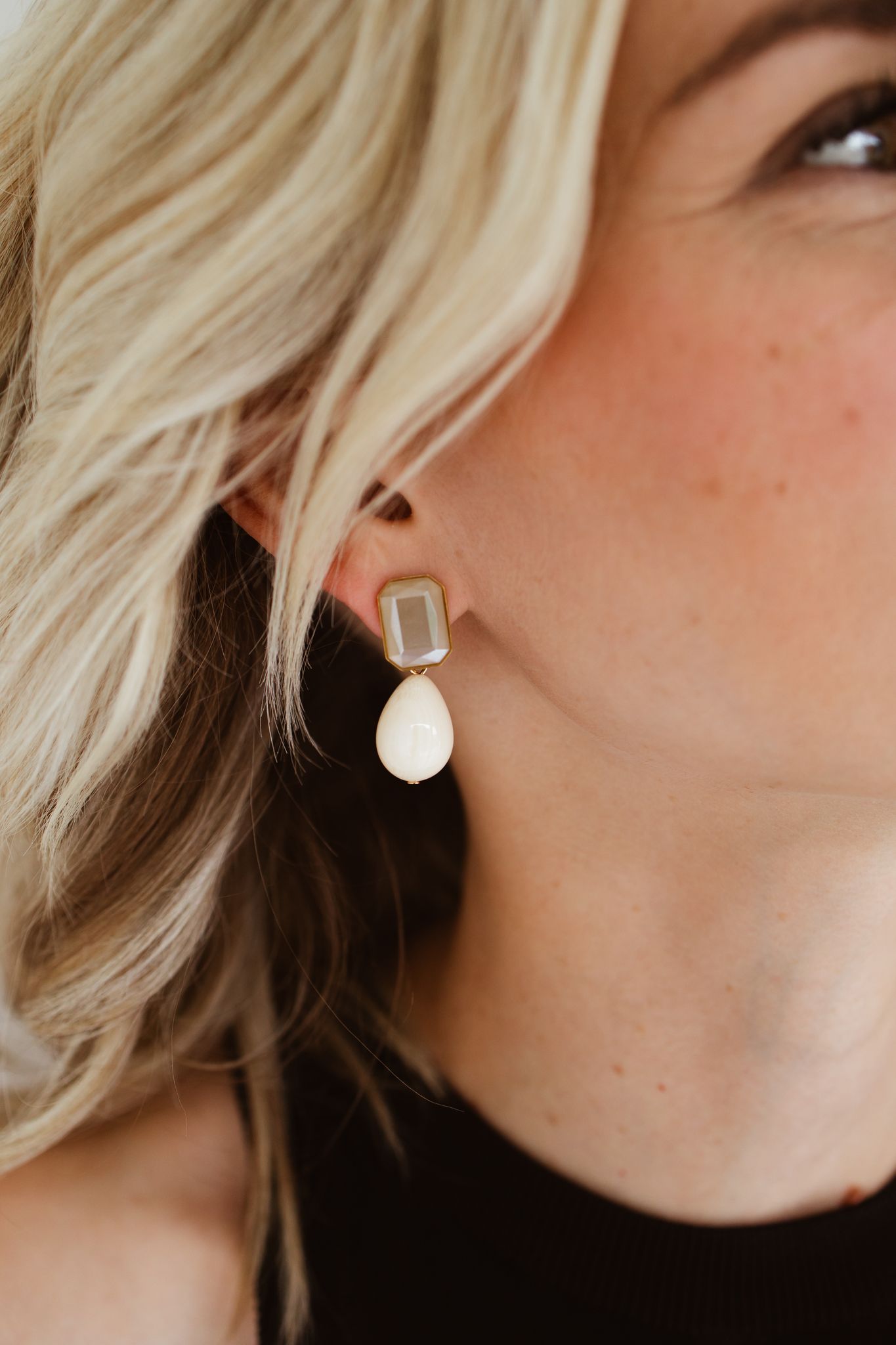
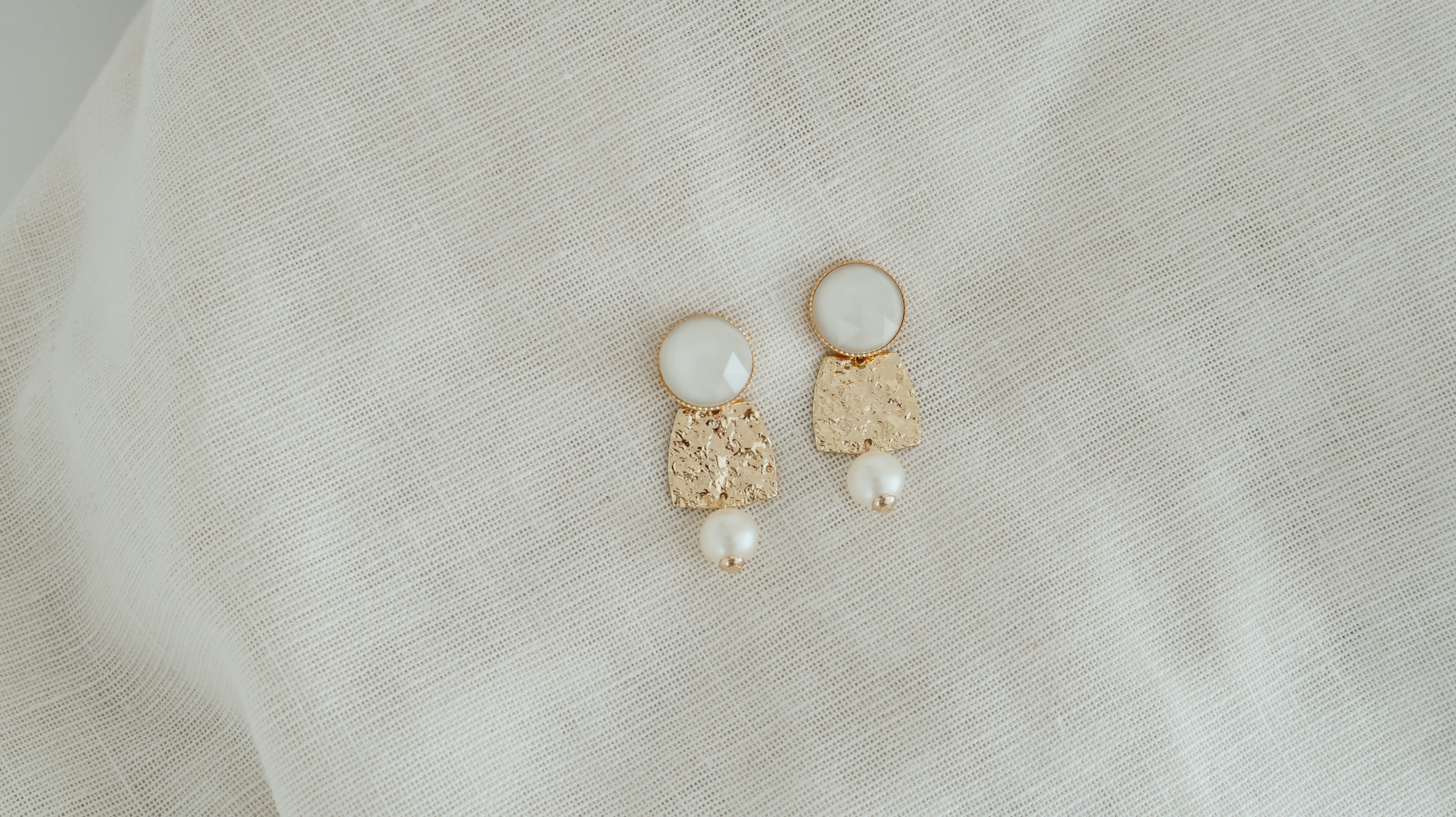
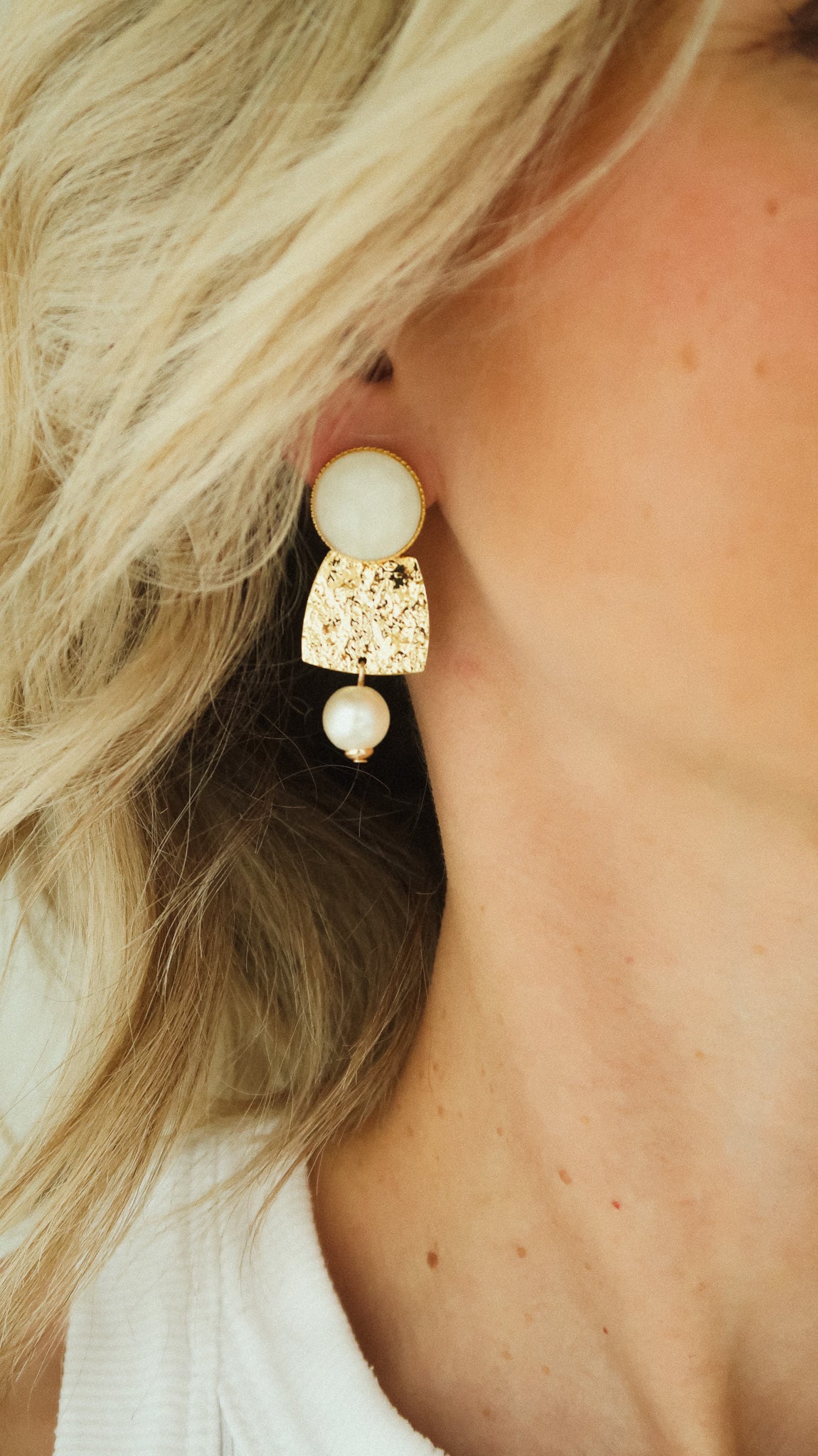
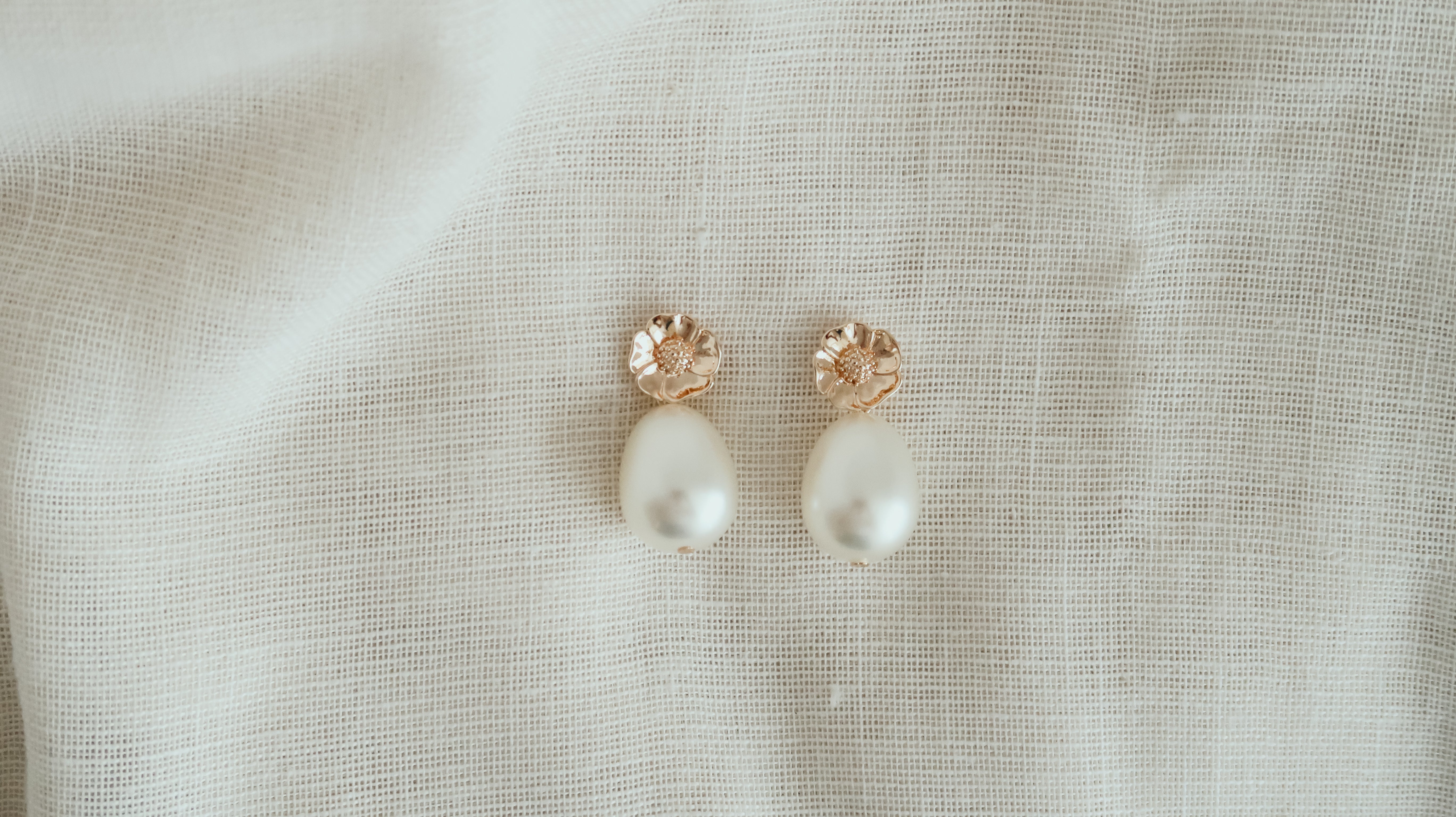
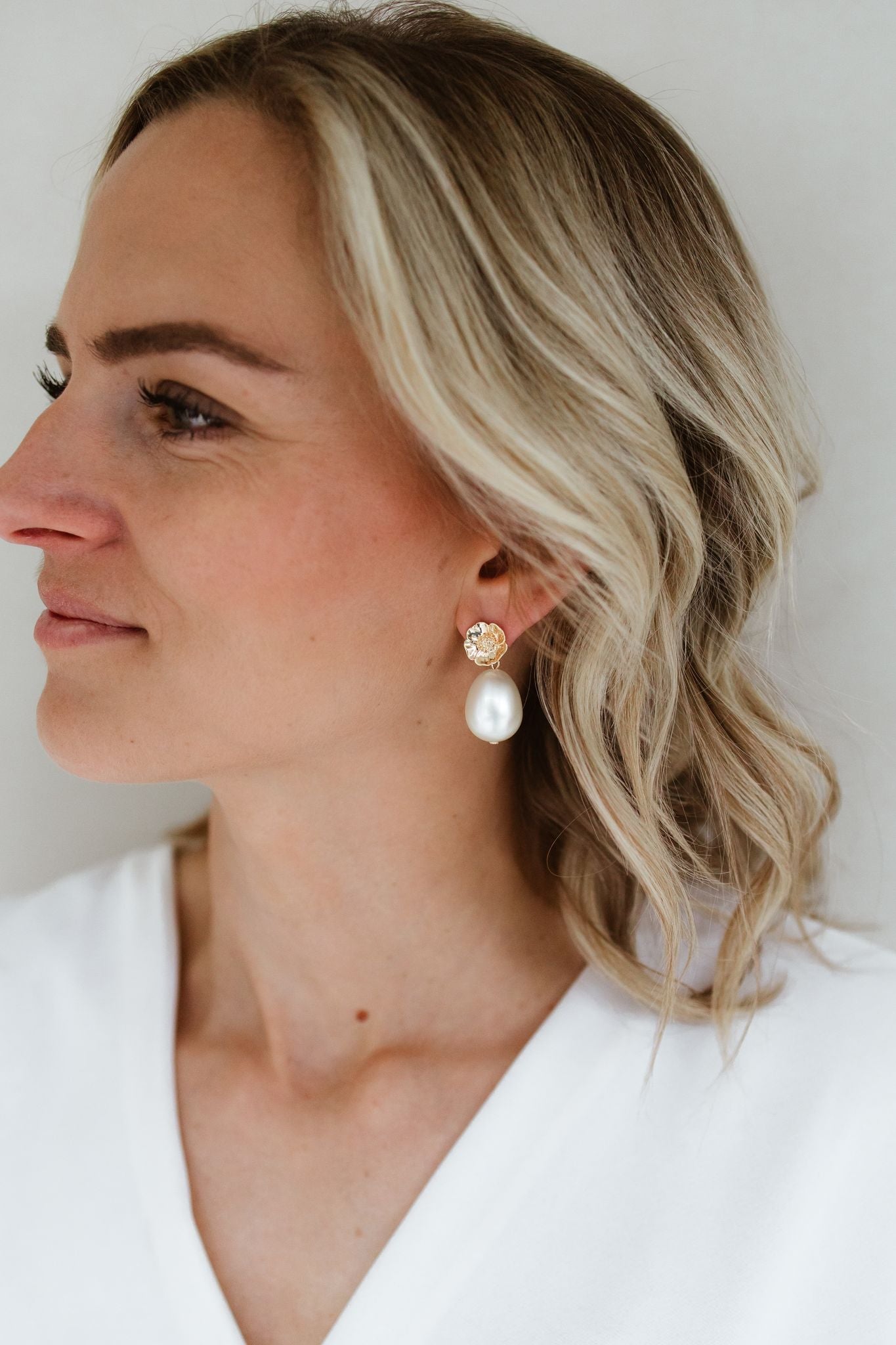
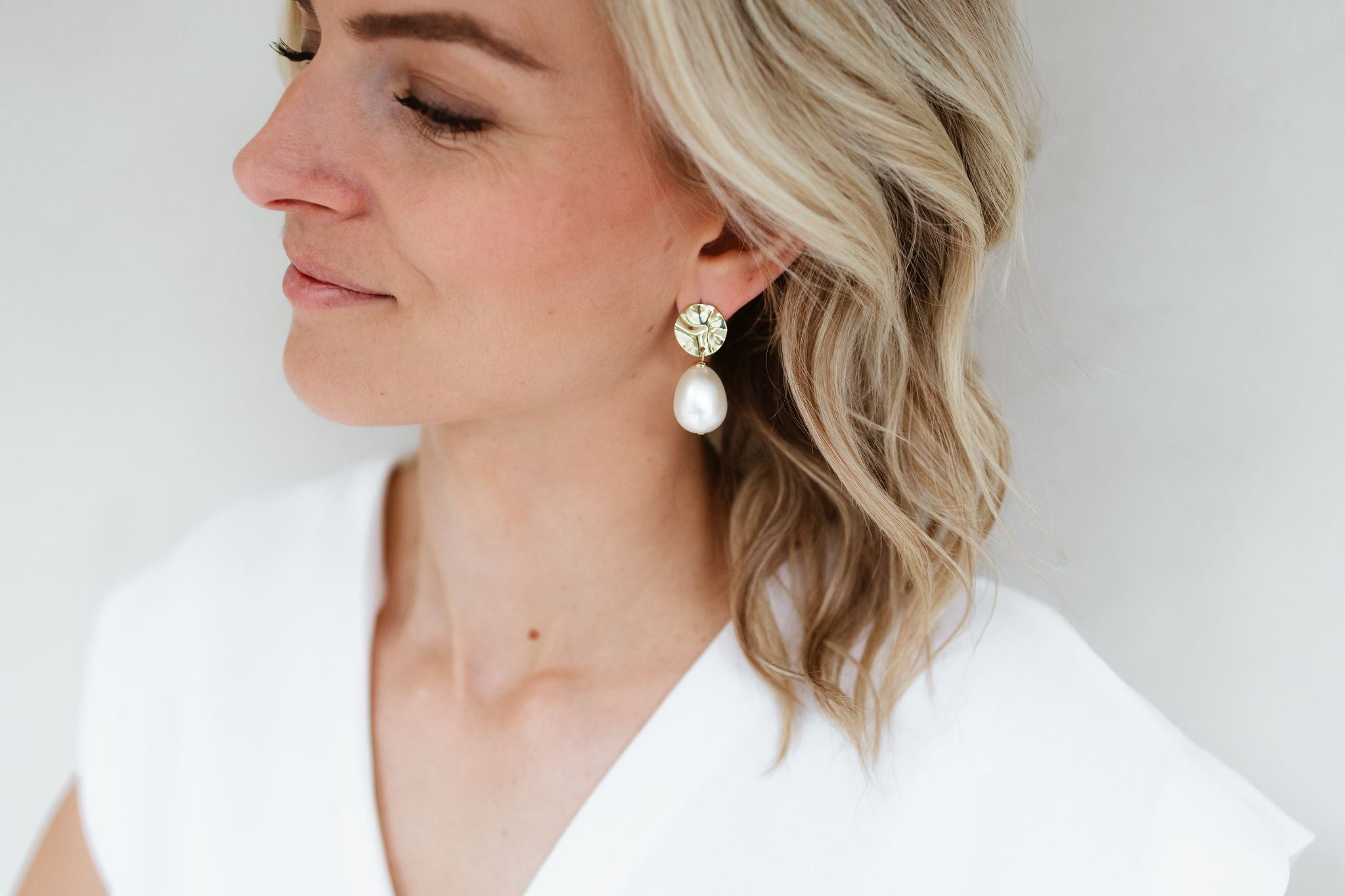
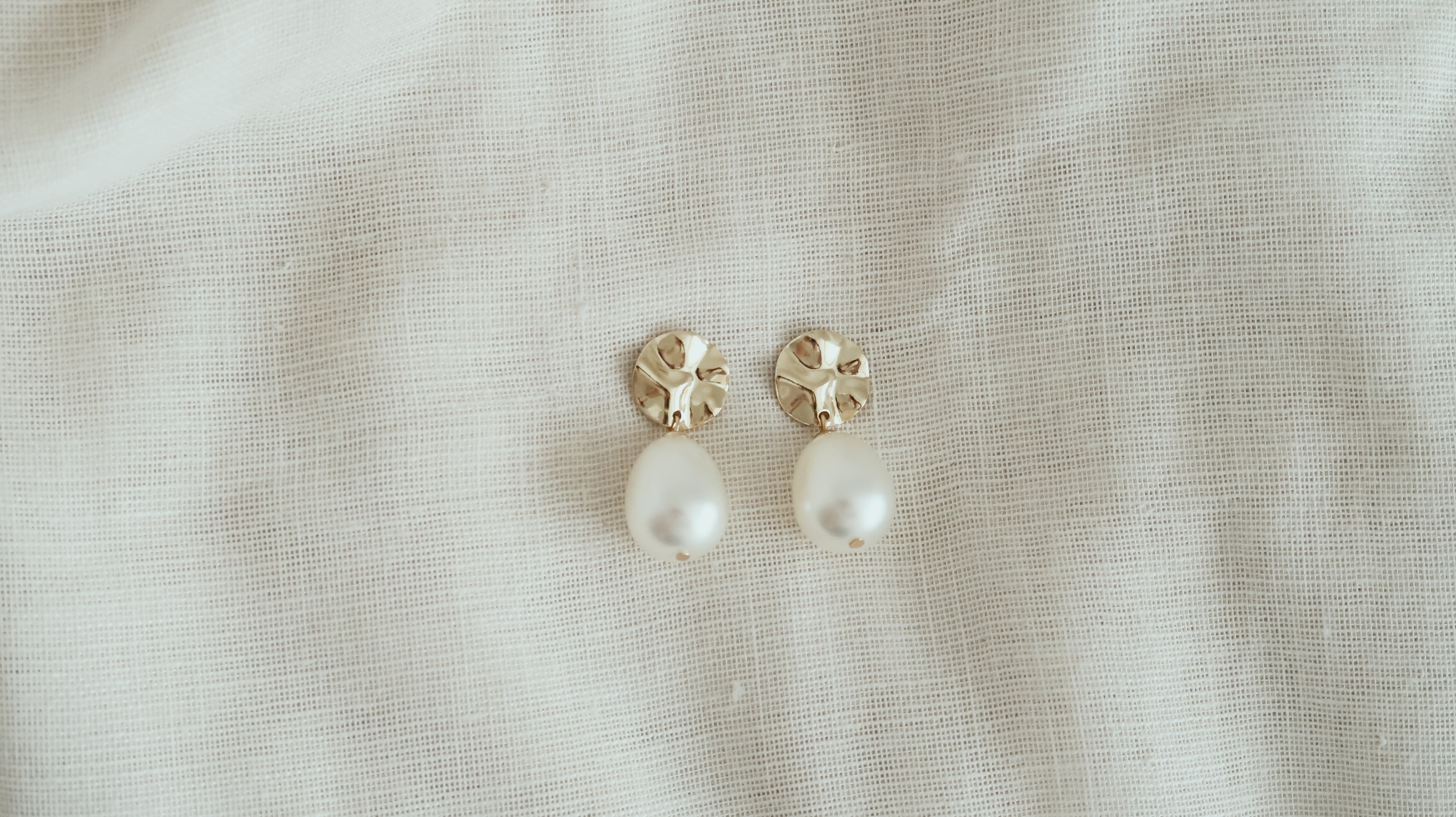
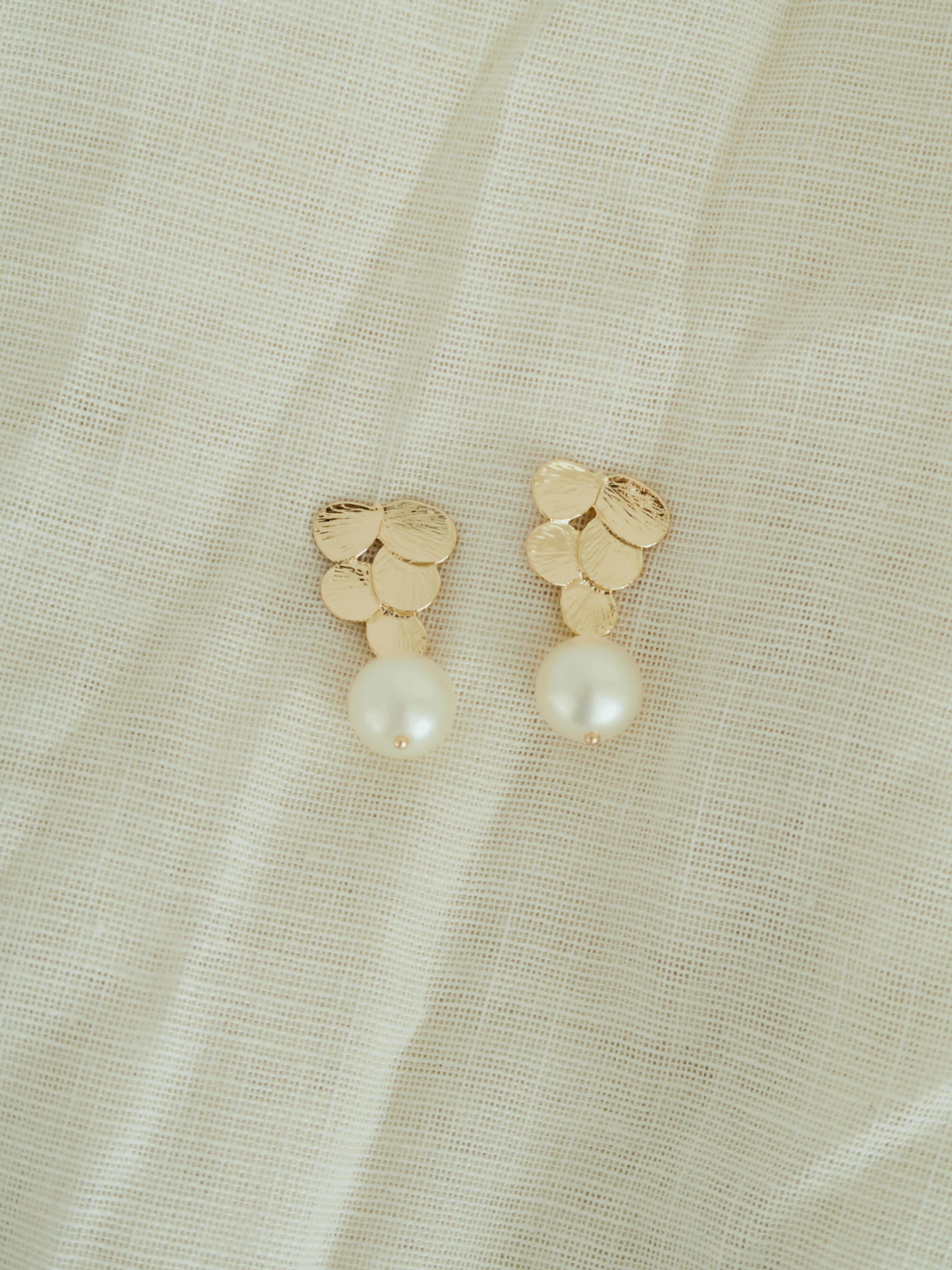
The first earring you insert after recovery is your most important choice. Choose nickel-free — you really want to avoid starting a new infection in your freshly reopened piercing. All Petit Bonbon earrings are 100% nickel-free, lead and cadmium-free, handmade in Dendermonde in small batches. Lightweight favorites like Manou, Sofie Veil, and Naia Opal are often the first choice — soft, not heavy, and made for comfortable daily wear.
How do you prevent it from closing again?
Anyone who has gone to the trouble of getting re-pierced won't want to do it again. Three tips: wear an earring (any kind) at least a few days a week, don't change models too often in the first few months, and consciously choose nickel-free to avoid irritation. If in doubt or complications: a dermatologist or piercer can quickly provide clarity. More about recurring ear infections can be found in our guide.
This is general information and not medical advice. If in doubt: consult your doctor or piercer.
Shop dit artikel
Kind to sensitive ears
All Petit Bonbon earrings are 100% nickel-free, lead-free and cadmium-free — handmade in Dendermonde, made for comfortable everyday wear.
Discover moreMake your outfit stand out
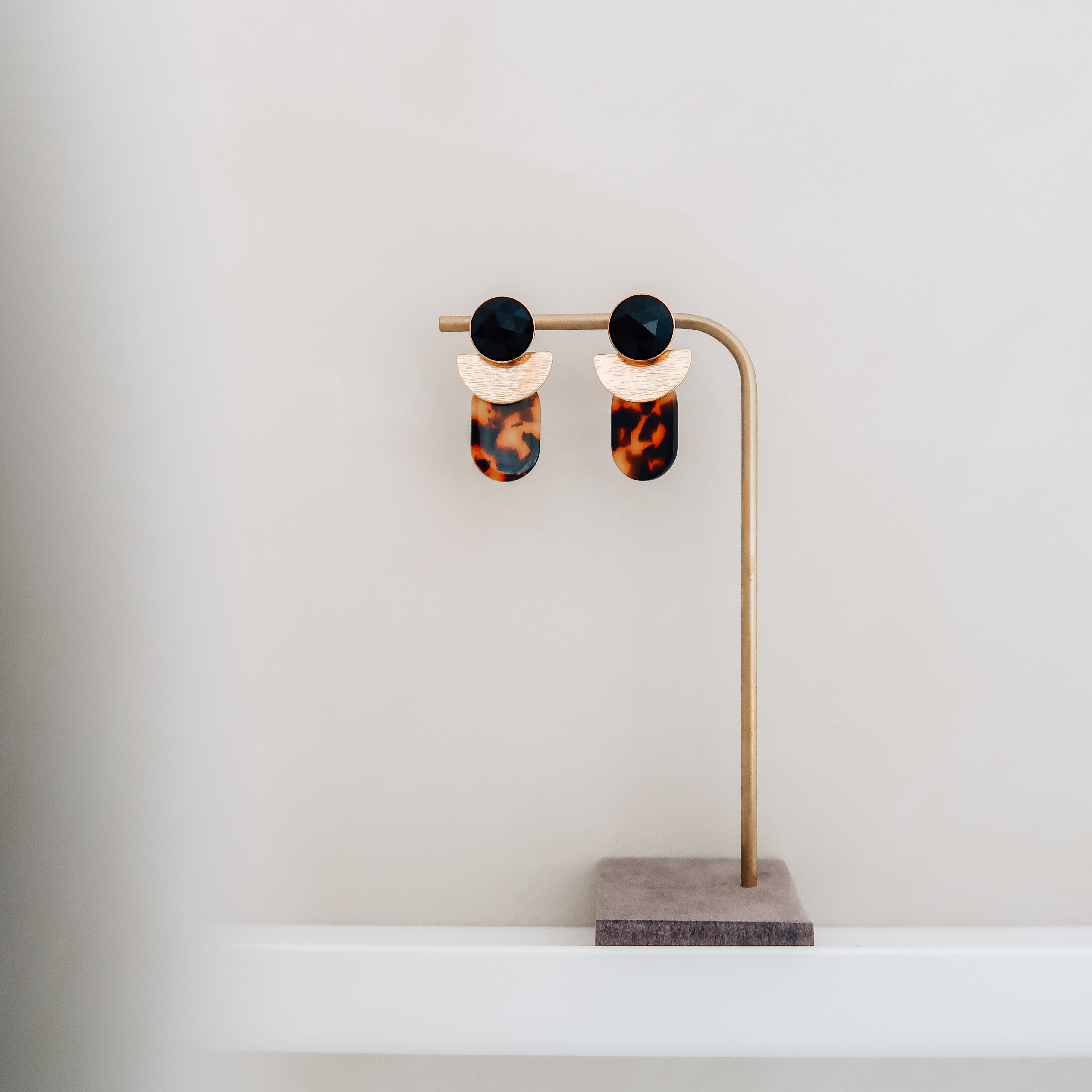
Handcrafted statement earrings






Pus from your child's ear piercing: act calmly
Pus from your child's ear piercing can be a frightening moment for any parent. It looks severe, and you don't know whether to calmly care for it or call immediately. We will help you make the right...
Read more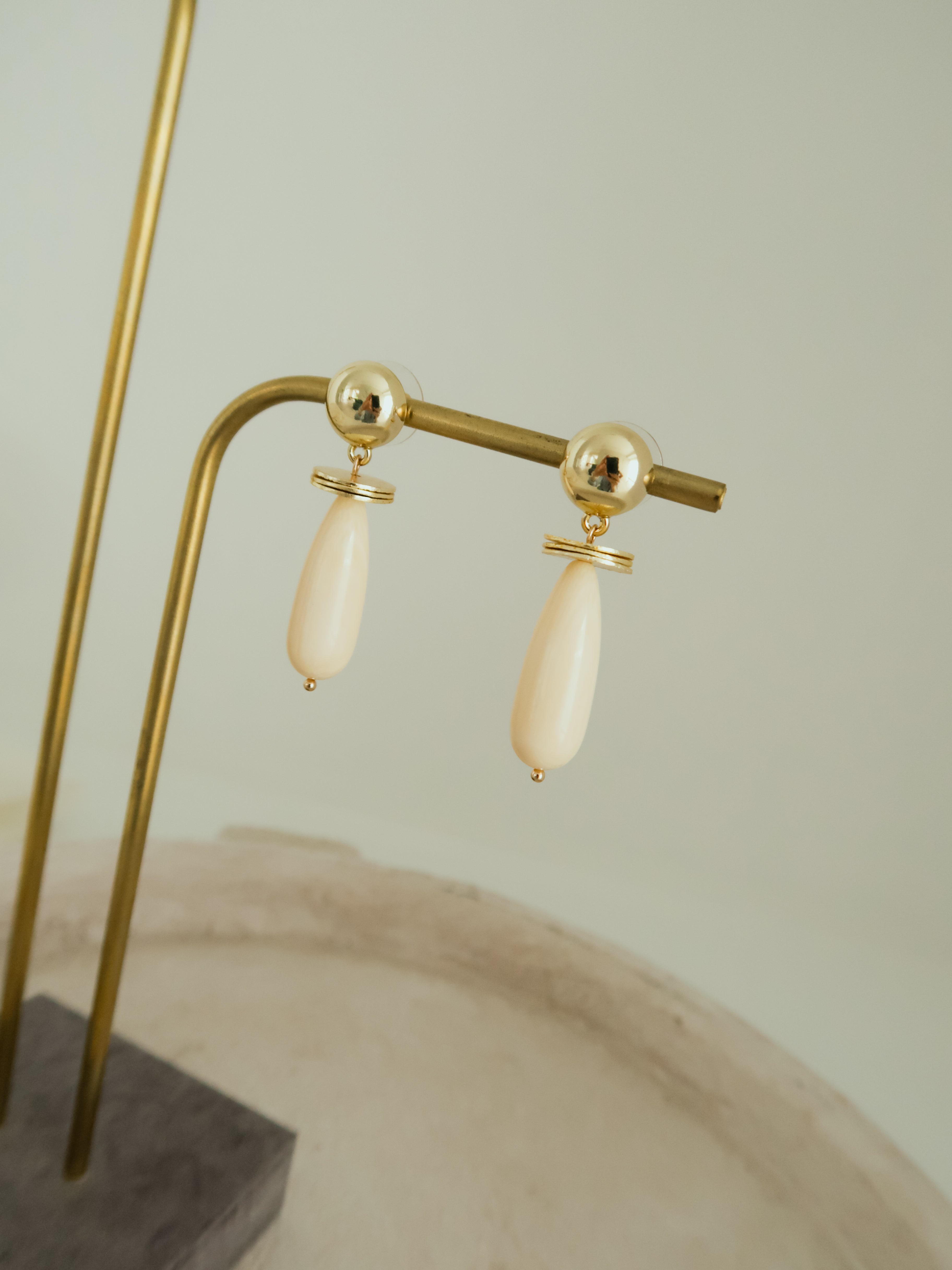
Red, swollen earlobe without an earring: what could it be?
Not every swollen earlobe is due to an earring. Sometimes your earlobe becomes red, warm, or swollen even if you haven't worn jewelry for weeks. This can be confusing — without a visible cause, you...
Read more
Leave a comment