

Verzorging 2 min lezen
Ear Lobe Abscess: How to Identify and Treat It
In dit artikel
A swelling, throbbing lump on your earlobe — painful, red, warm — could be an abscess. This is not a scenario to panic over, but it does require the right reflexes. In this article, you will learn how to recognize an abscess, how to differentiate it from a harmless bump, why you should never squeeze it, and when to simply call your doctor.
What exactly is an abscess?
An abscess is a collection of pus under the skin, surrounded by an inflammatory wall that the body creates to encapsulate the infection. On the earlobe, this usually happens around a piercing, after trauma, or after a recurring local inflammation. Typically, it grows larger over time, feels noticeably warm, throbs or pulsates, and is distinctly more painful than a normal irritation.
Lump or abscess? Here's how to tell the difference
Not every bump on your earlobe is an abscess. A sebaceous cyst is usually painless, cool, and stable for years. A keloid is hard, shiny, and normal in temperature. A granuloma around an old piercing is dull red but not fiery hot. An abscess, on the other hand, changes: it grows larger in a matter of days, feels hot, turns bright red to purple, and the pain increases rather than decreases. Sometimes you may also experience a slight fever or a feeling of fatigue.
What you absolutely should not do
Squeeze it. Seriously: don't. Squeezing an abscess pushes the infection deep into the tissue and can cause a much more serious inflammation — sometimes cellulitis, in rare cases sepsis. Also, puncturing it with a needle (even one you've disinfected) is strictly forbidden. The same applies to warming it with hot water or a glowing compress: that might seem logical, but it mainly accelerates the swelling.
So what should you do?
Step one: call your general practitioner. An abscess on the earlobe should be professionally drained, often with a small incision and a short course of antibiotics. Step two: remove the earring, or if that cannot be done safely (new piercing), let your doctor decide. Step three: in between, apply gentle cold compresses (10 minutes, max 3x a day) for relief and pain. Step four: take paracetamol for severe pain, not ibuprofen if in doubt without advice.
How to prevent it from coming back?
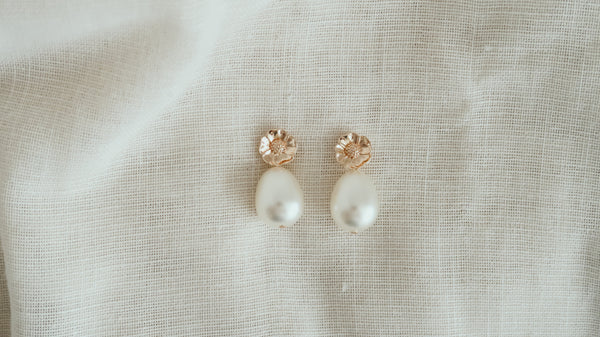
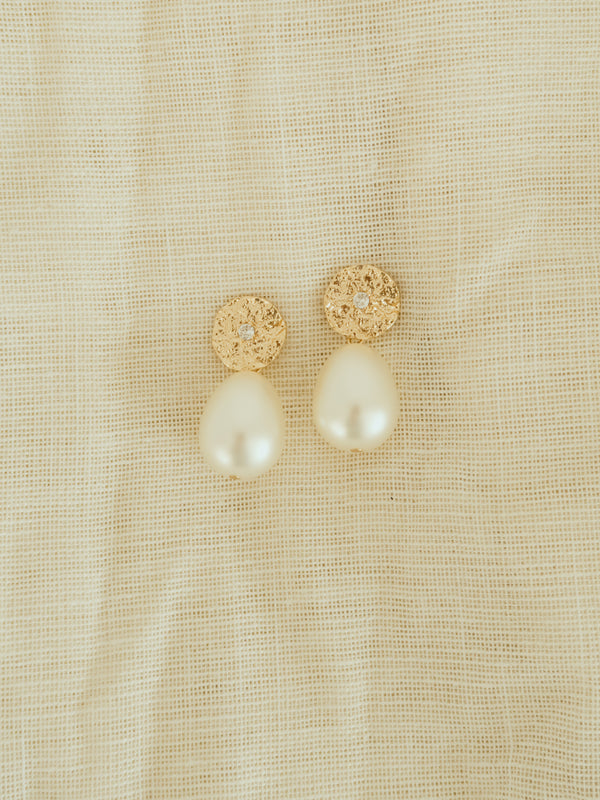
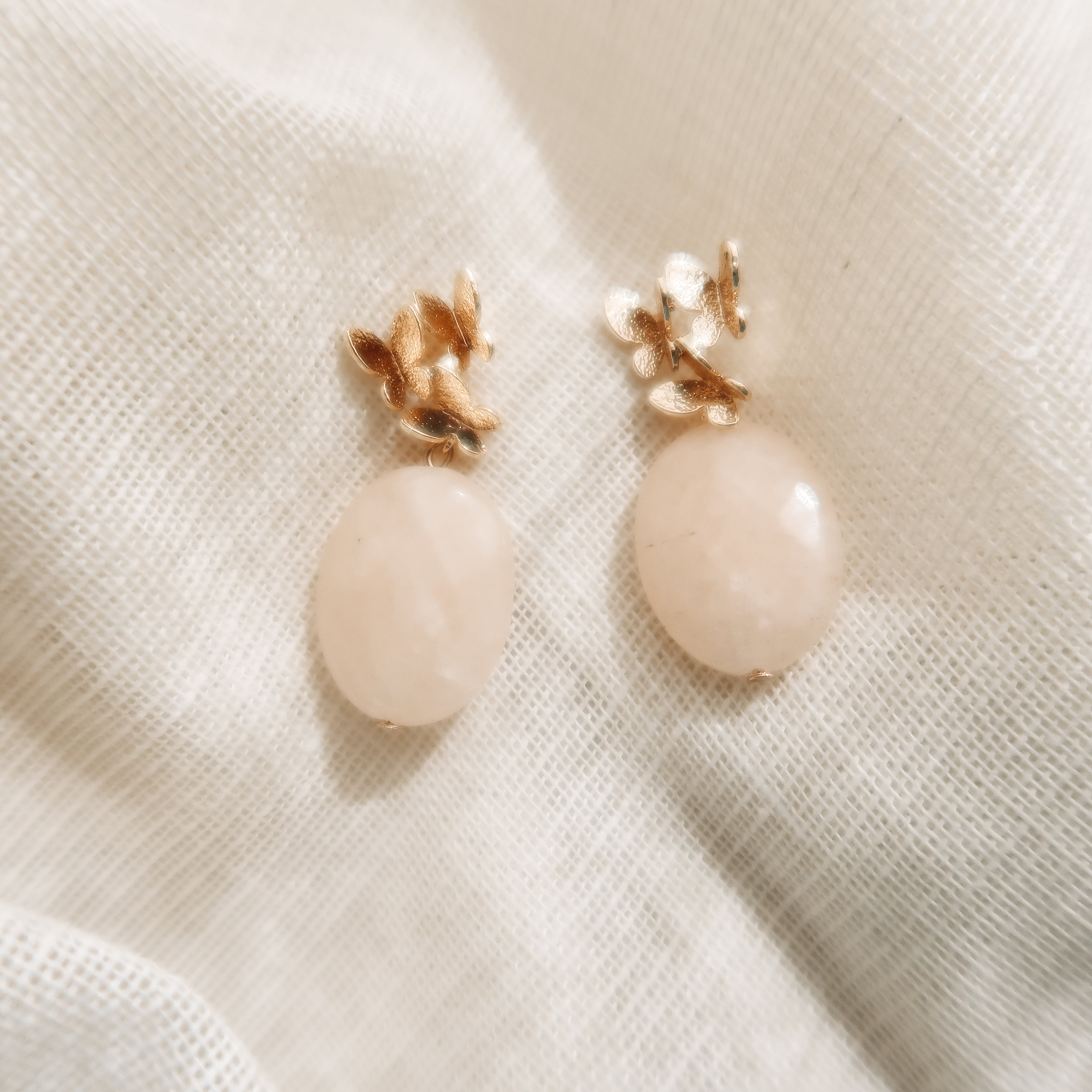
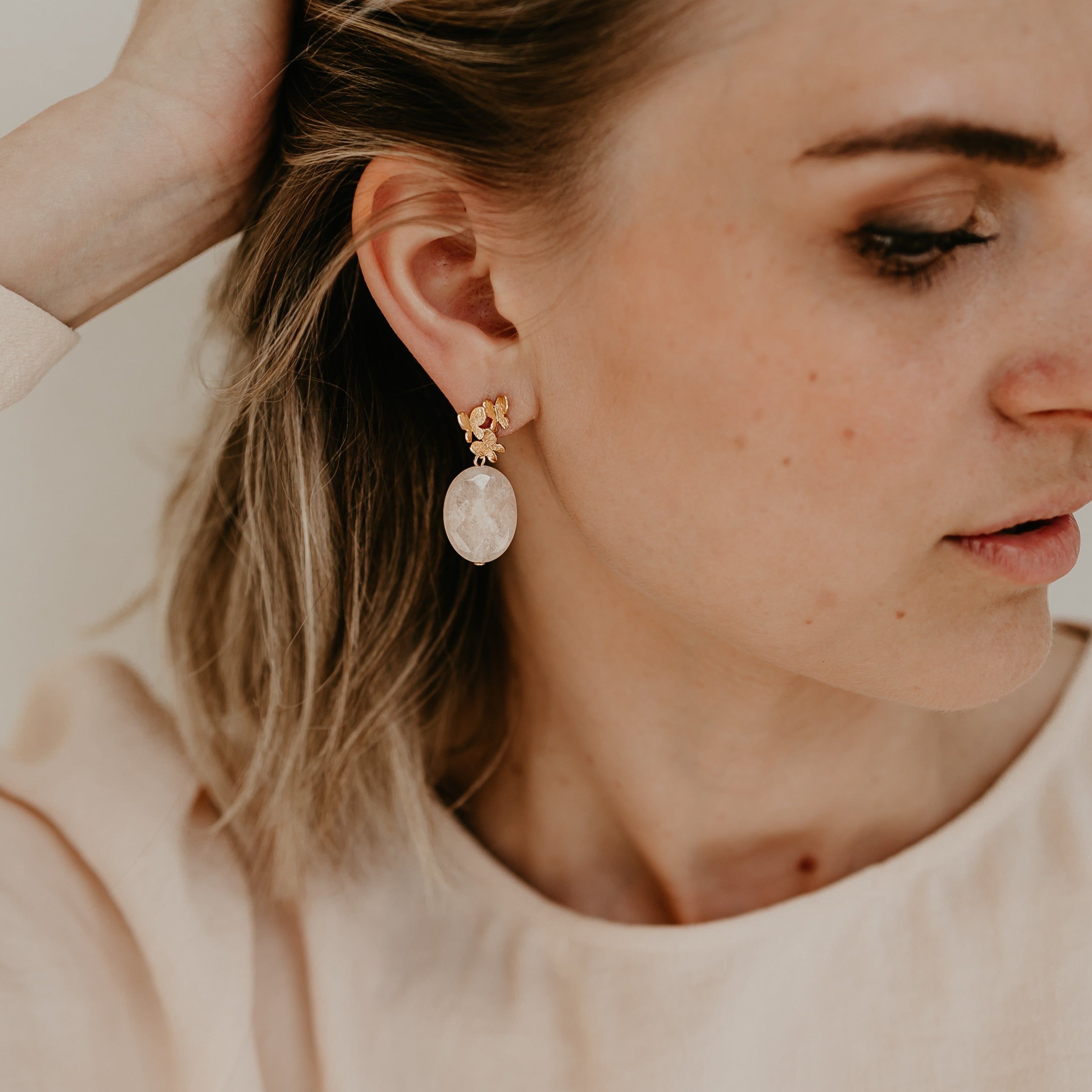
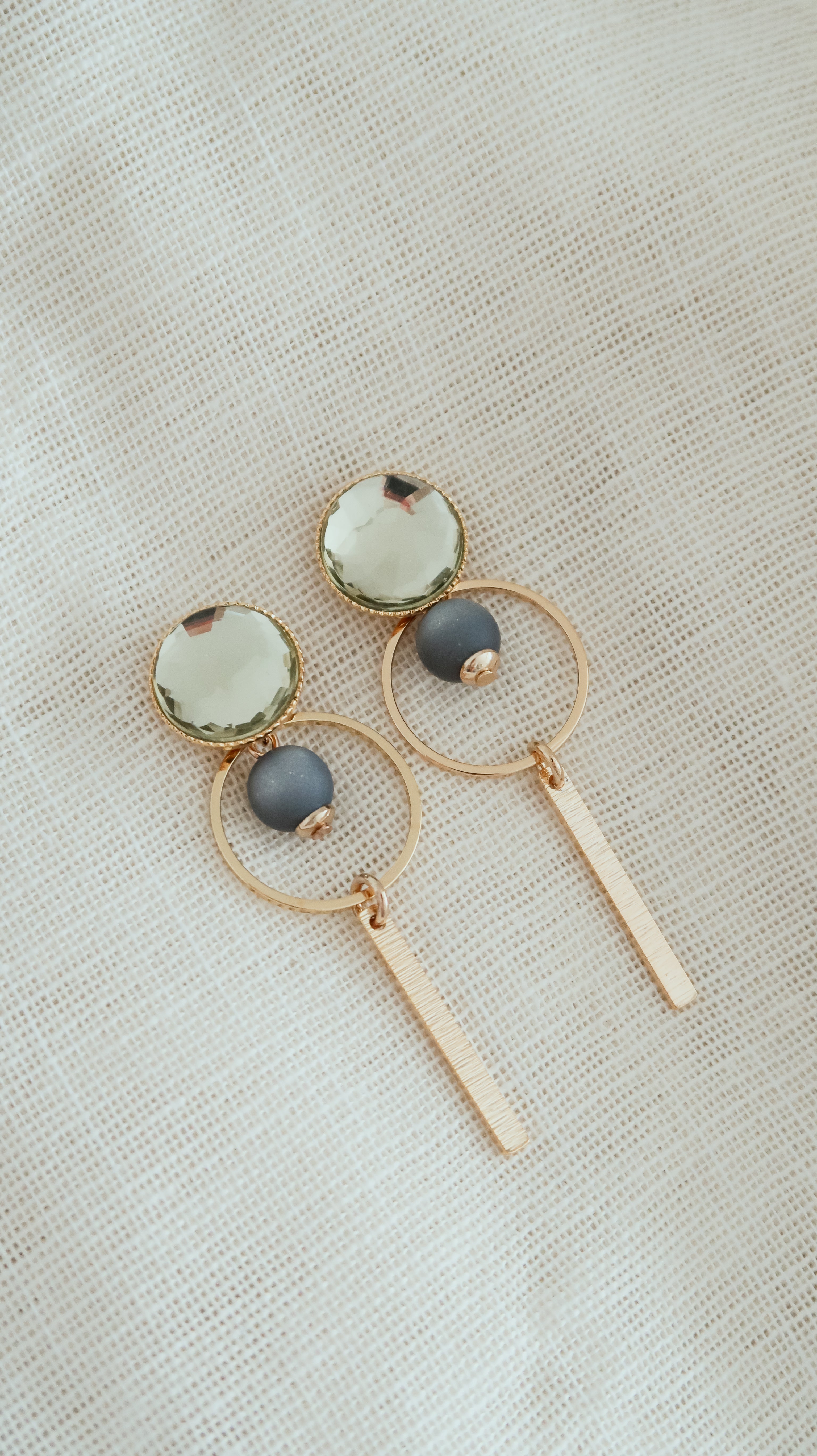
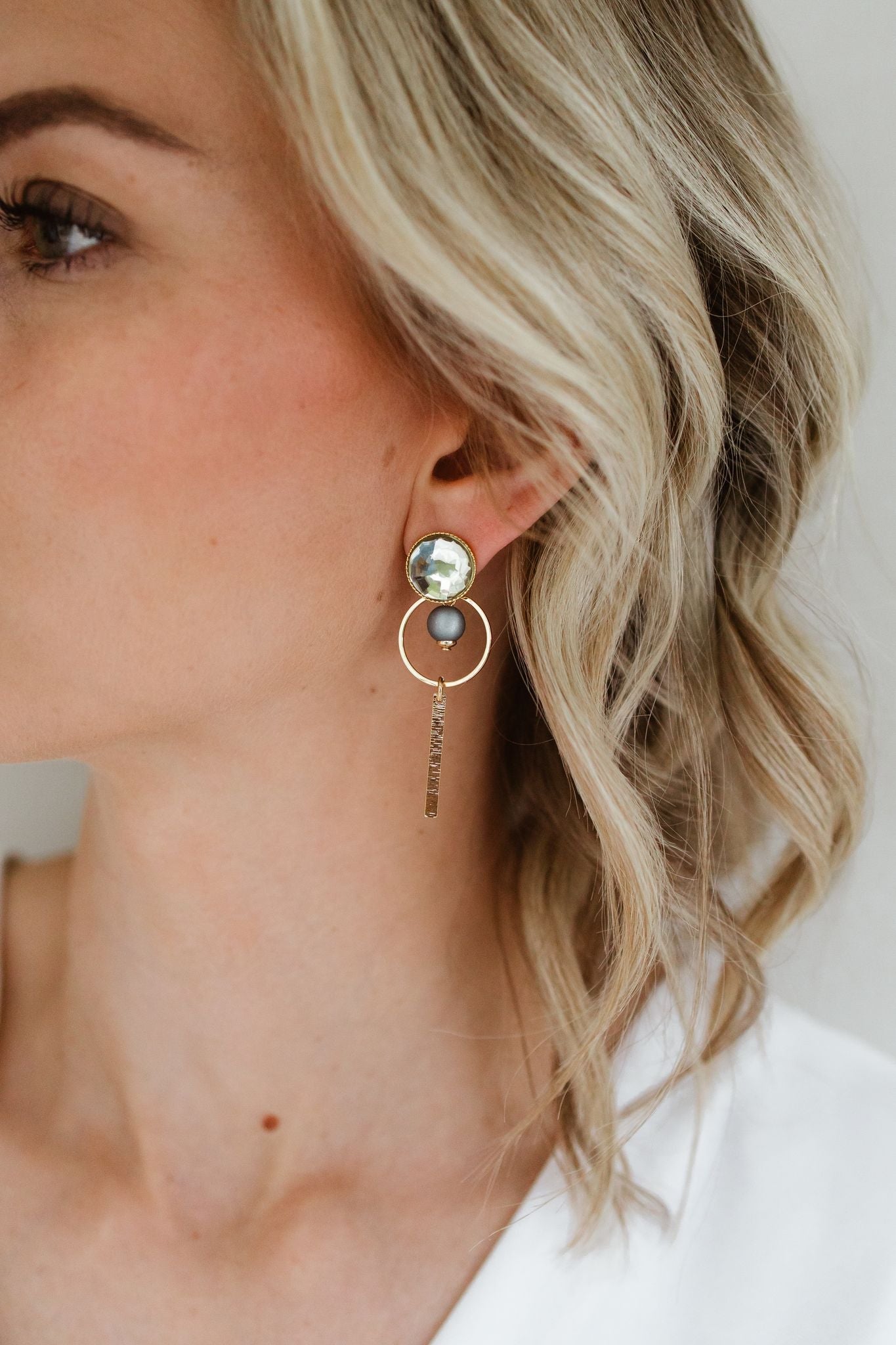
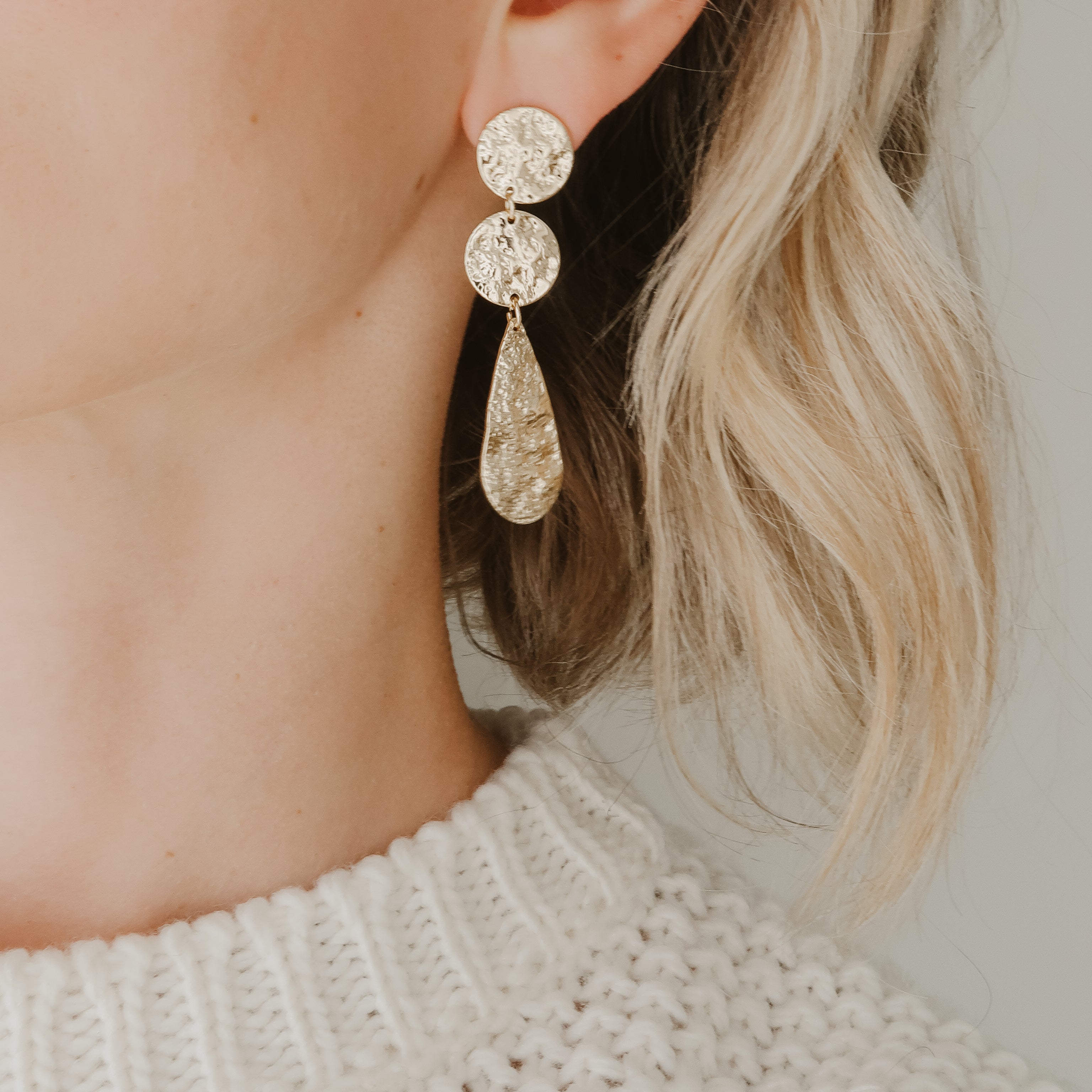
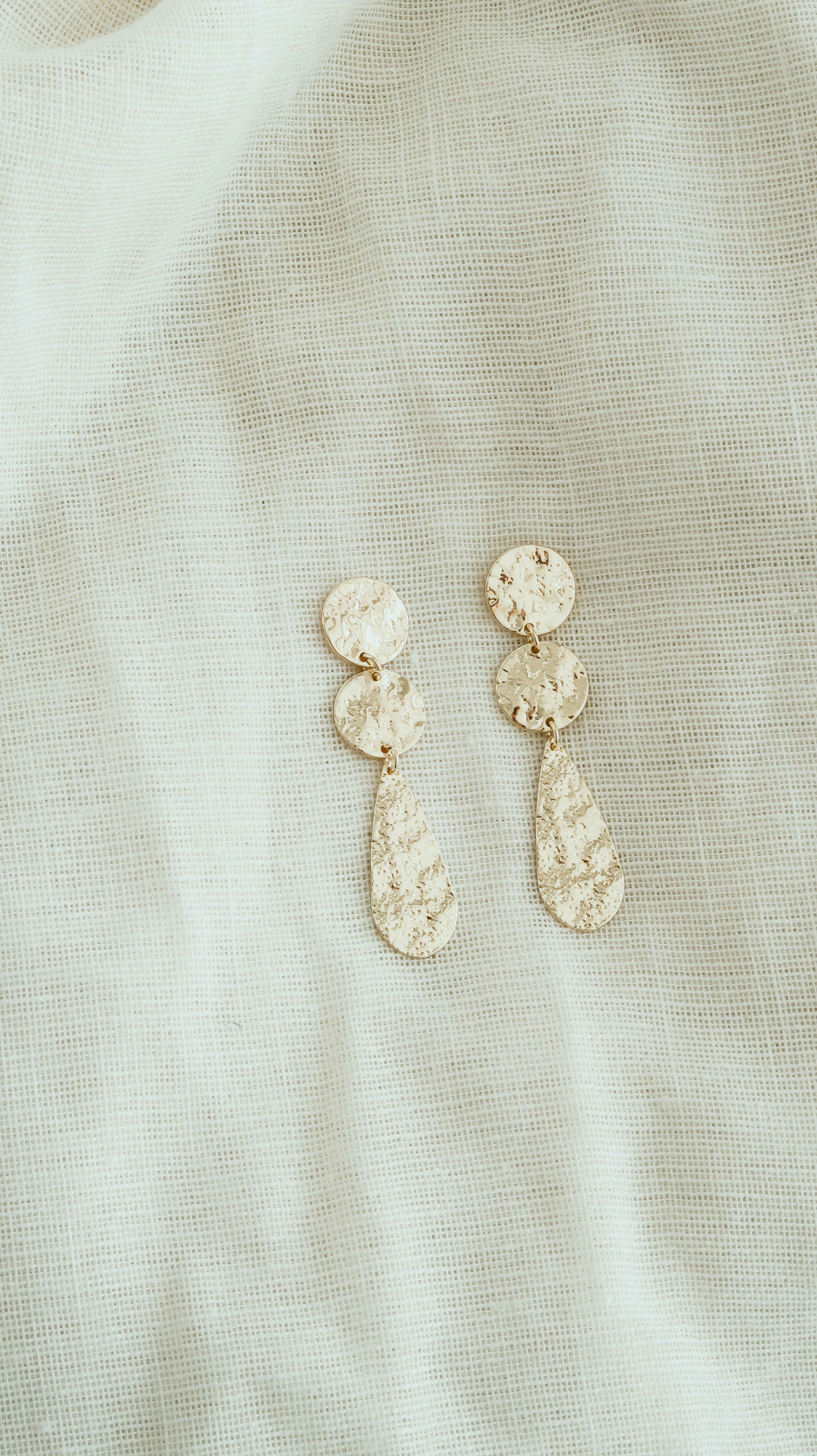
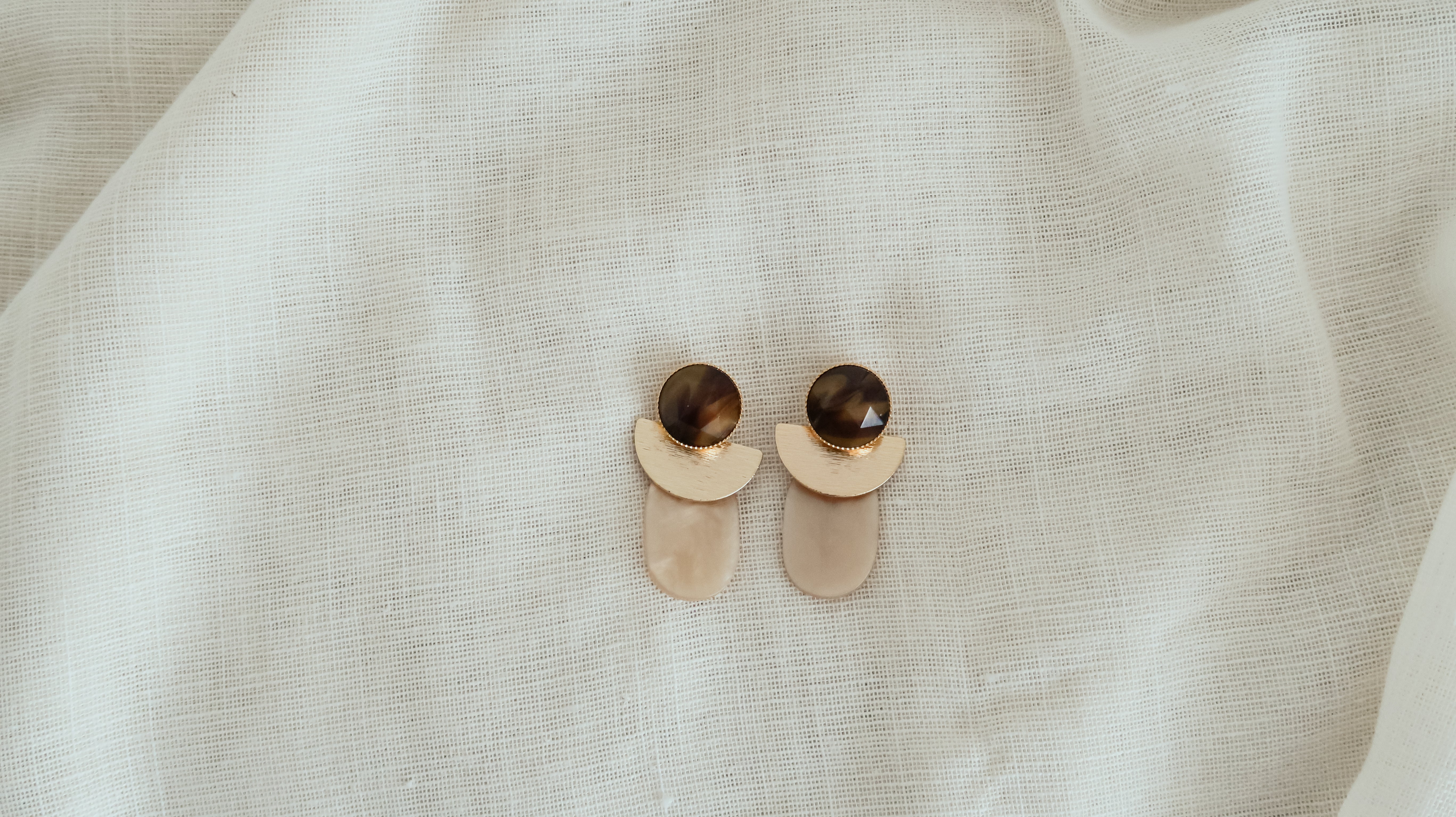
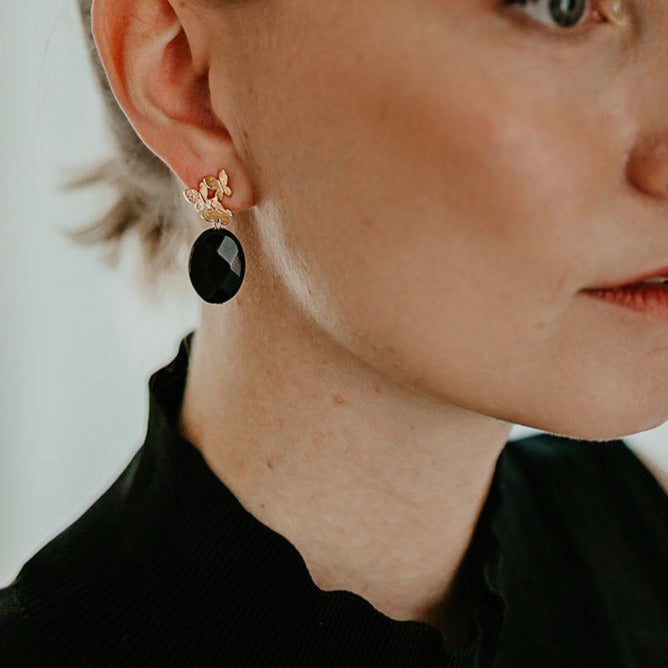
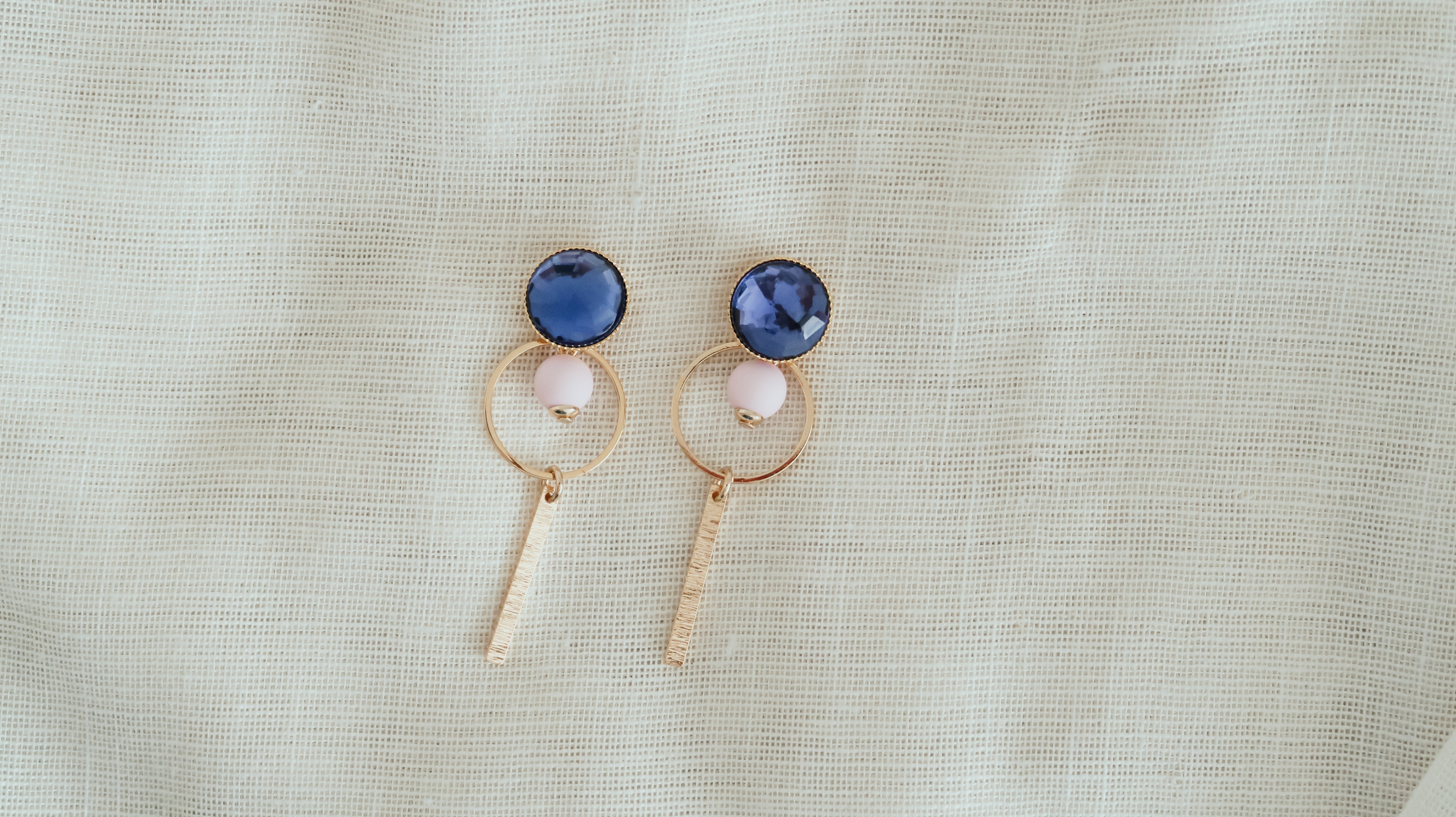
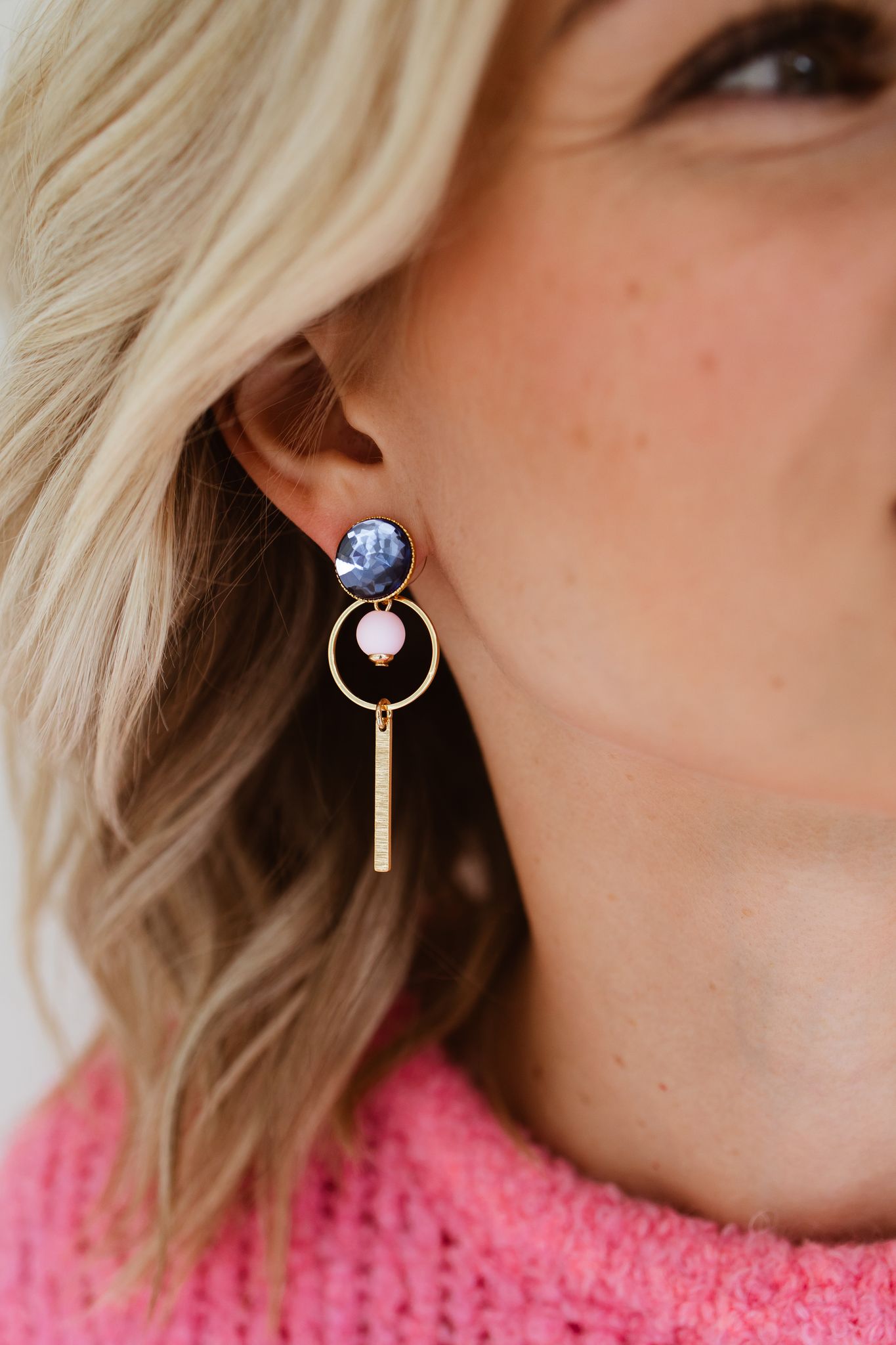
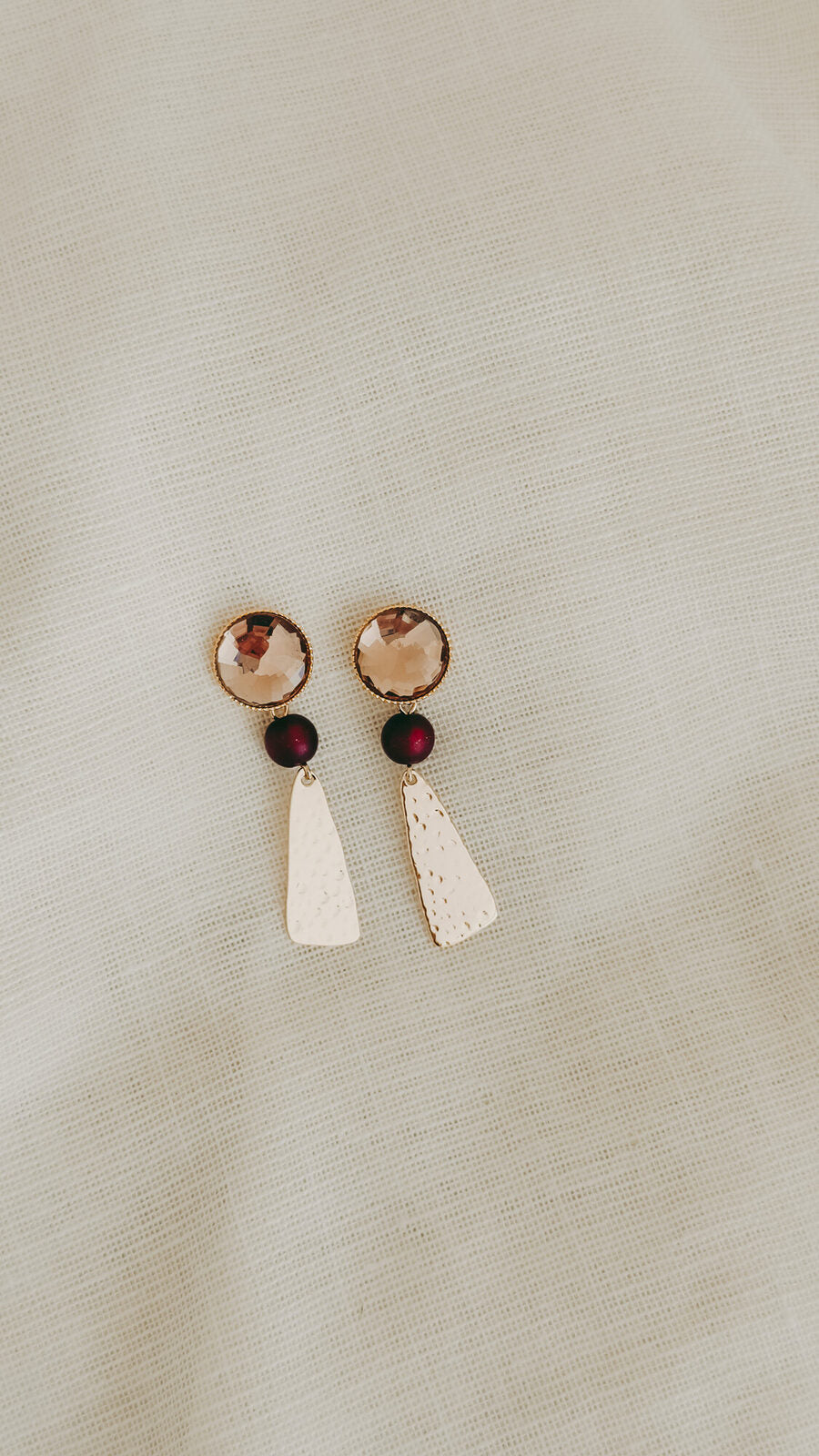
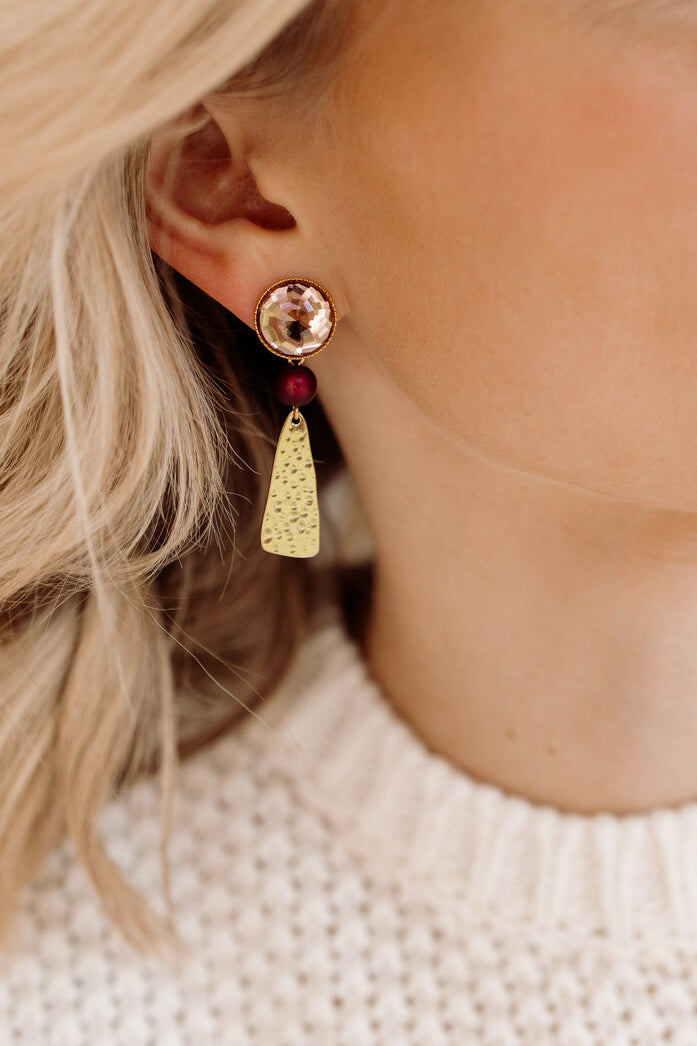
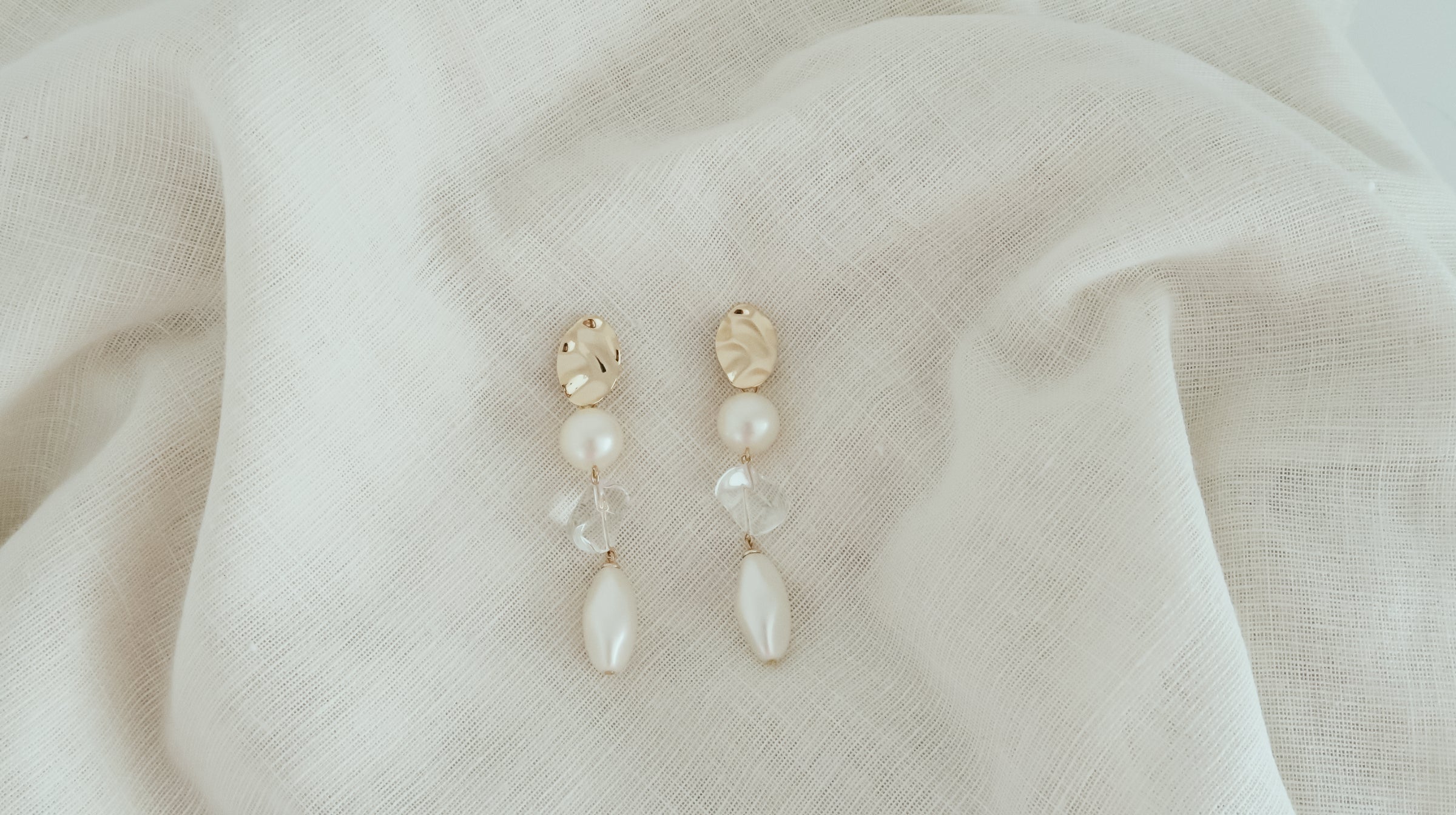
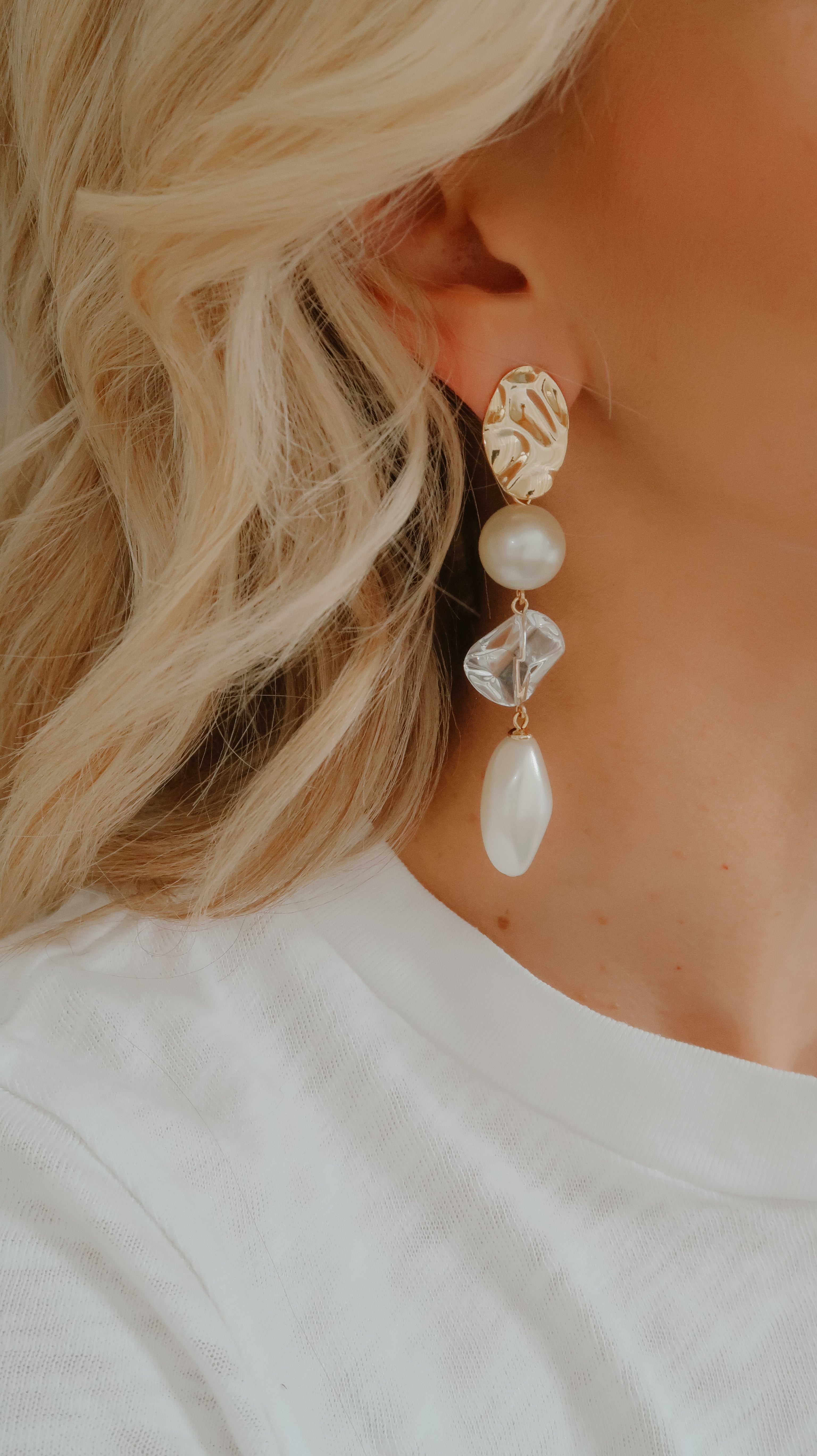
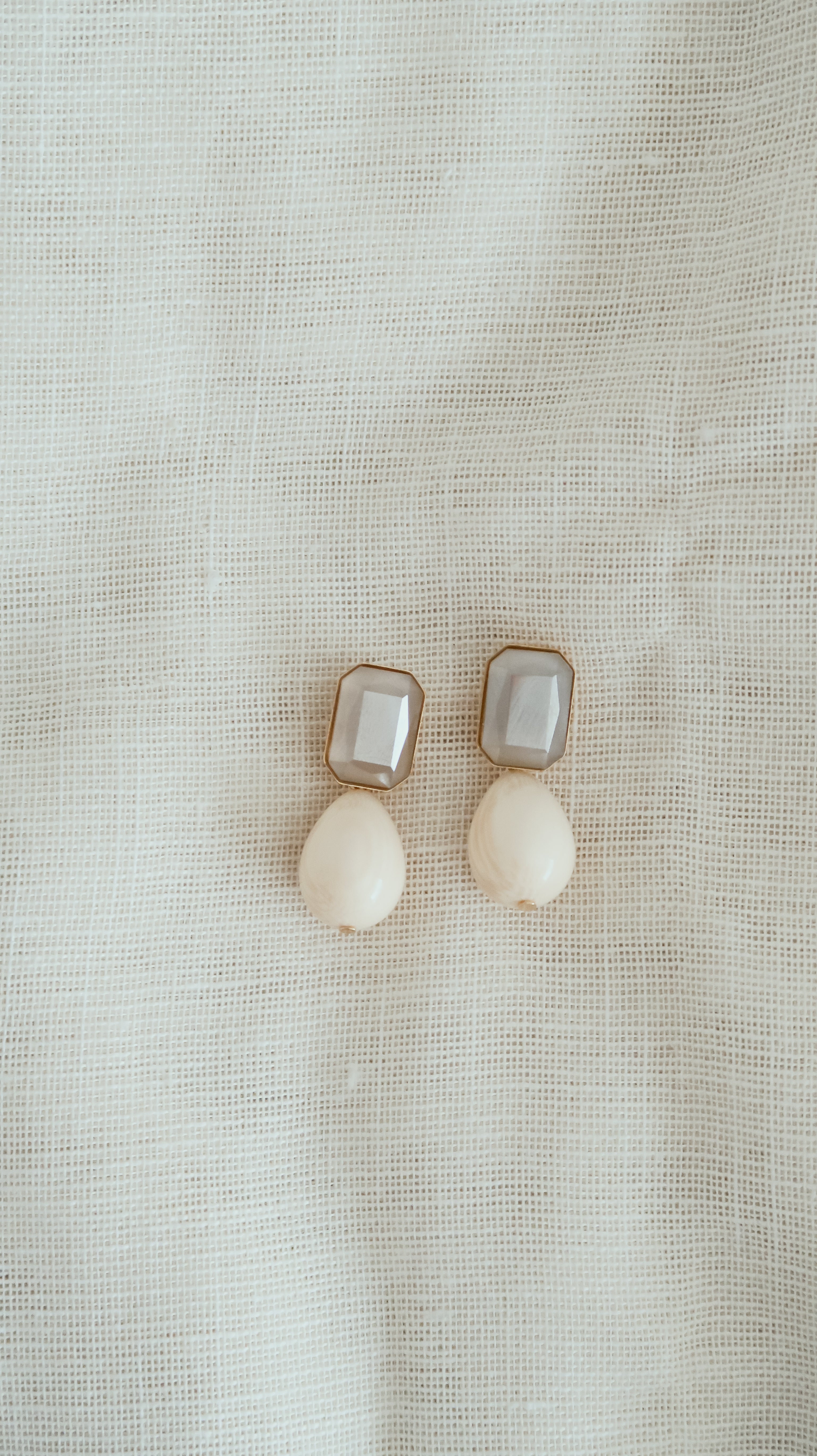
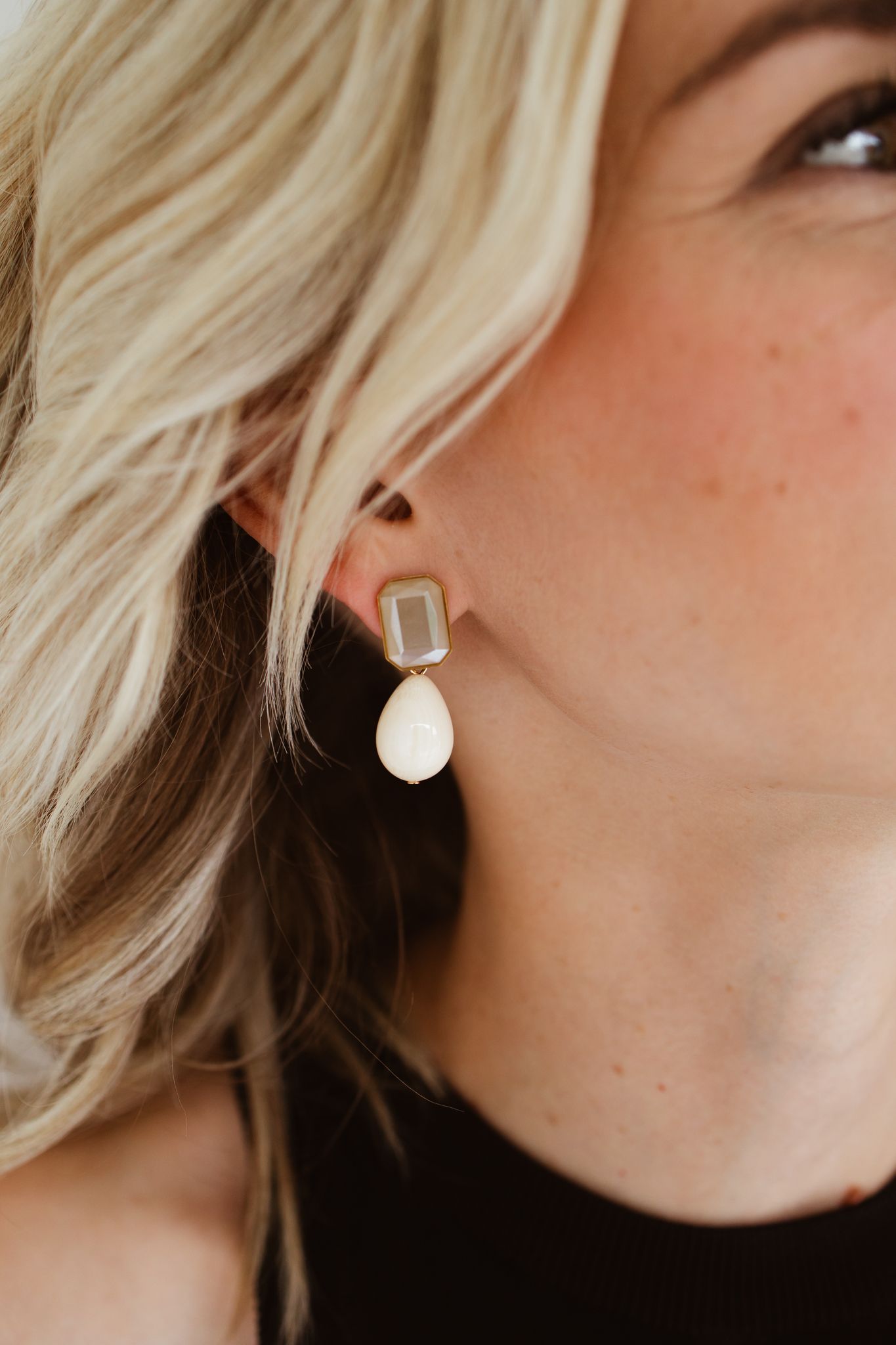
An abscess rarely appears out of nowhere. Often, it was preceded by a recurring inflammation — and nickel is often deeply intertwined with that. Switching to earrings that are 100% nickel-free, lead- and cadmium-free, lightweight models that don't exert pressure, and attention to hygiene around the piercing are essential steps. At Petit Bonbon, you can choose from lightweight favorites such as Manou, Sofie Veil or Naia Opal — each one handmade in Dendermonde. You can read more about this in our guide on preventing inflamed earlobes.
After drainage: gradual recovery
After your doctor has treated an abscess, the wound remains vulnerable for several weeks. Follow your doctor's instructions diligently, disinfect gently (no alcohol), do not wear jewelry in that ear for the time being, and wait until your doctor gives the green light before putting earrings back in. Then start ultra-light — no statement models, no tight clasps.
Petit Bonbon: light and safe to wear
Our earrings are handmade in small batches in Dendermonde, with alloys that are 100% nickel-free, lead- and cadmium-free — precisely because we believe that jewelry should not be a source of worry. Ready to carefully restart? View our full collection or read why nickel-free is so important for sensitive ears.
This is general information and not medical advice. If in doubt: consult your general practitioner or pharmacist.
Shop dit artikel
Kind to sensitive ears
All Petit Bonbon earrings are 100% nickel-free, lead- and cadmium-free — handmade in Dendermonde, made for comfortable daily wear.
Discover moreMake your outfit stand out
Handcrafted statement earrings









Little wound on your earlobe that won't heal? Here's why
A persistent wound on your earlobe can really get you down. Every time it seems to be getting better, the next morning it’s bleeding, crusty, or weeping again. Frustrating. The good news: in nine o...
Read more
Inflamed ear piercing in your child: gentle care step by step
An infection of your child's ear piercing always feels more severe to parents than to the child themselves. The area is red, sensitive, sometimes slightly swollen - and you know that a small wound ...
Read more
Leave a comment