

Nikkelvrij 2 min lezen
Which earrings don't cause irritation? A material guide for sensitive ears
In dit artikel
'Hypoallergenic,' 'surgical steel,' 'gold plated' — on a label, every material seems safe. But those with sensitive ears know better. Between titanium and cheap plating, there's a world of difference for your skin. We list the four most common materials and help you choose what is truly nickel-free for sensitive ears.
Titanium: the safest choice
Titanium (medical grade, often Ti-6Al-4V or pure titanium) is what piercers use for fresh piercings. It contains no nickel, is light, strong, and tolerated by most sensitive ears without problems. Disadvantage: less varied in finish (often grey, sometimes black or anodized). For the first change after a fresh piercing, titanium is ideal.
Surgical steel: often safe, but not always
Surgical steel (such as 316L) is often promoted as hypoallergenic, but it contains 8-10% nickel. For most people, this nickel remains bound in the alloy and does not cause a reaction. For very sensitive ears, it can still trigger a reaction, especially with prolonged wear or contact with sweat and salt. For those who have had a reaction: choose titanium or nickel-free sterling instead.
Sterling 925 (nickel-free alloy)
Sterling 925 is an alloy of 92.5% silver and 7.5% other metals. Which other metals? That varies: traditionally it was copper, some cheaper variants use nickel. When purchasing, explicitly ask if it is nickel-free sterling. A nice advantage: sterling looks soft and luxurious, and pairs well with different styles.
Gold plated (14k+): the quality is in the base
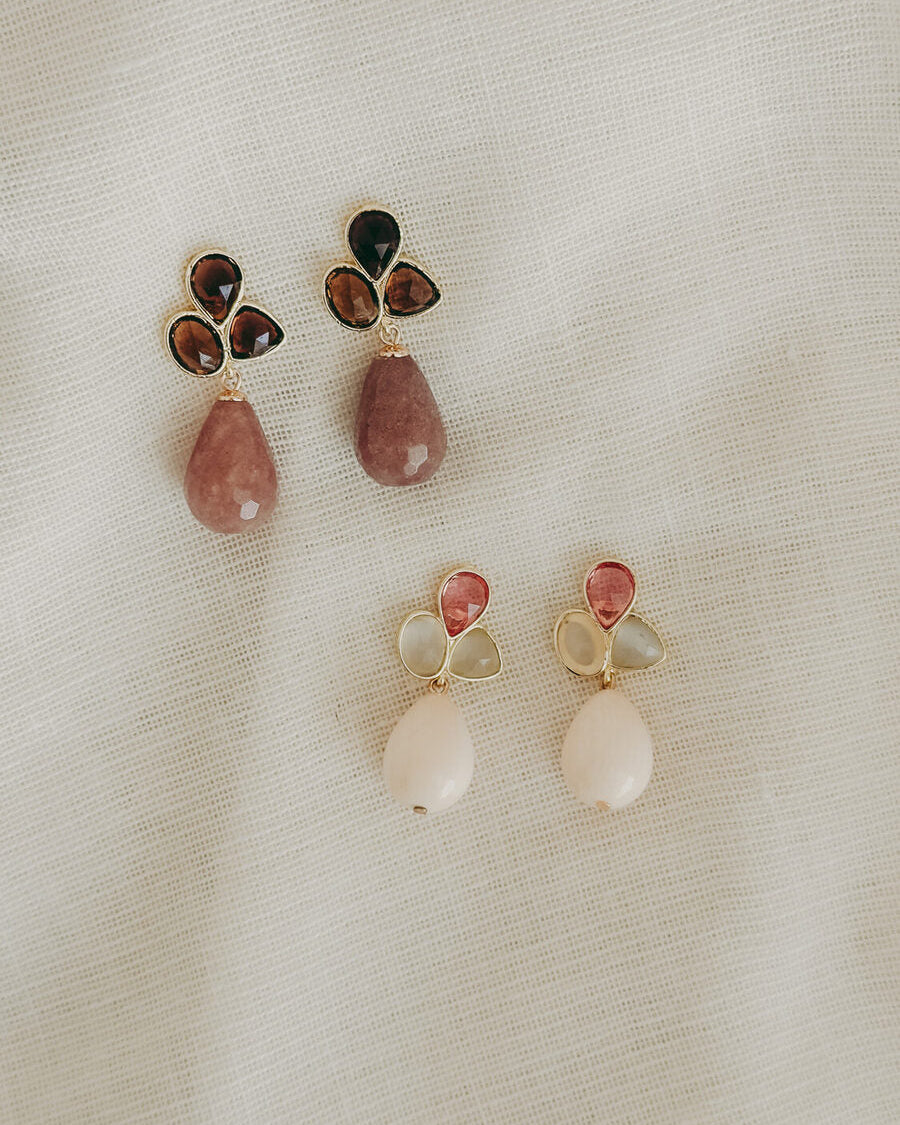
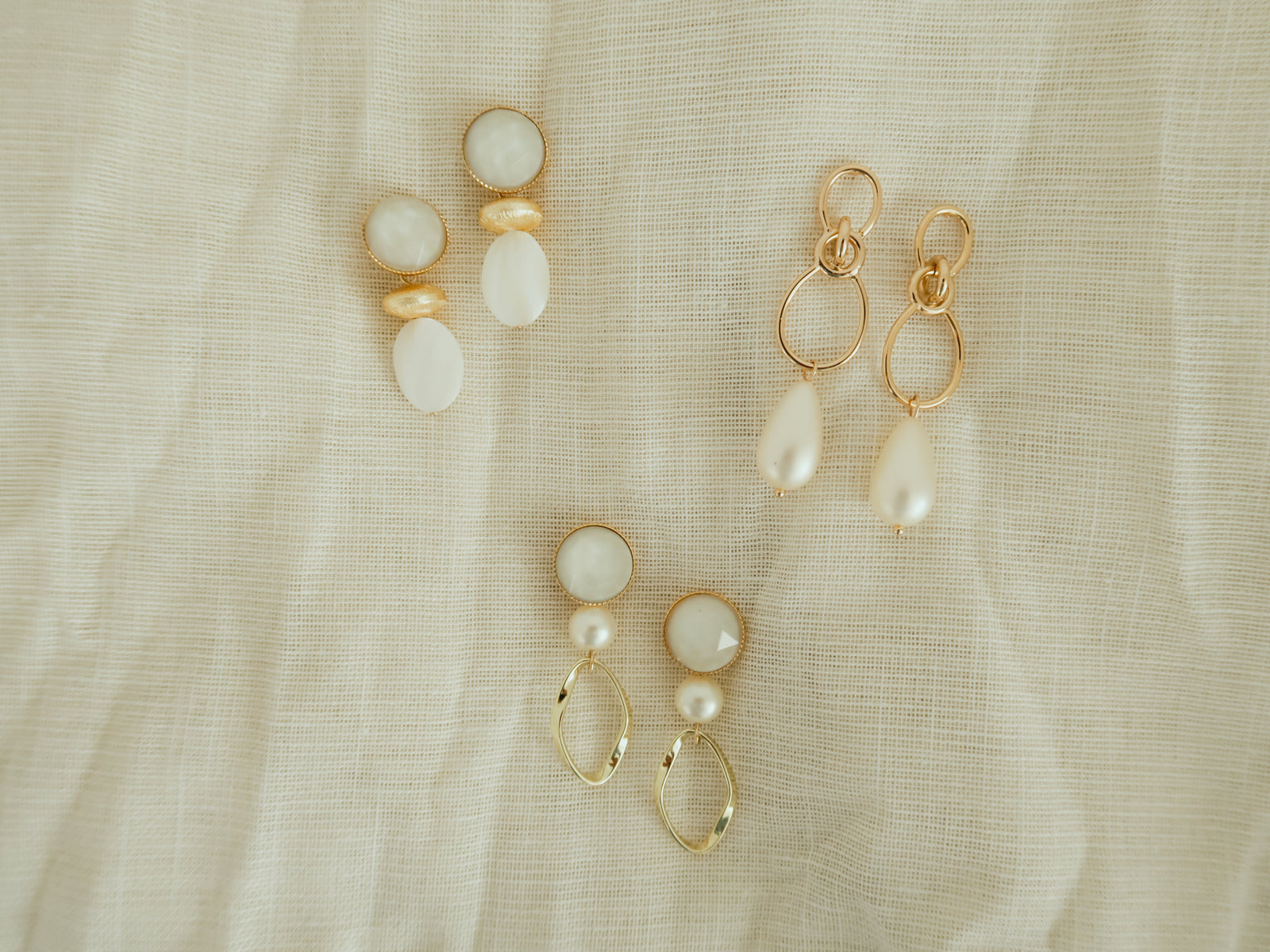
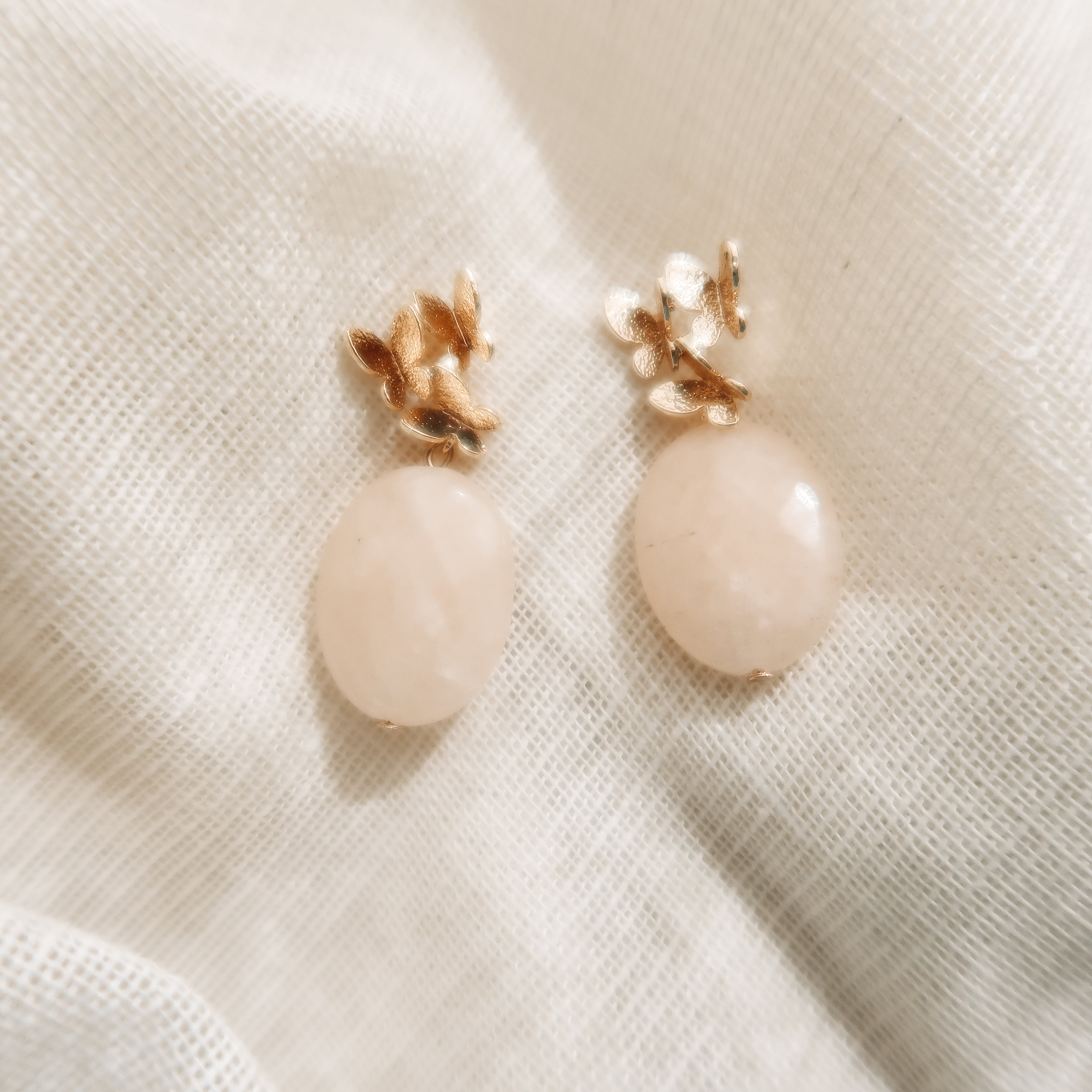
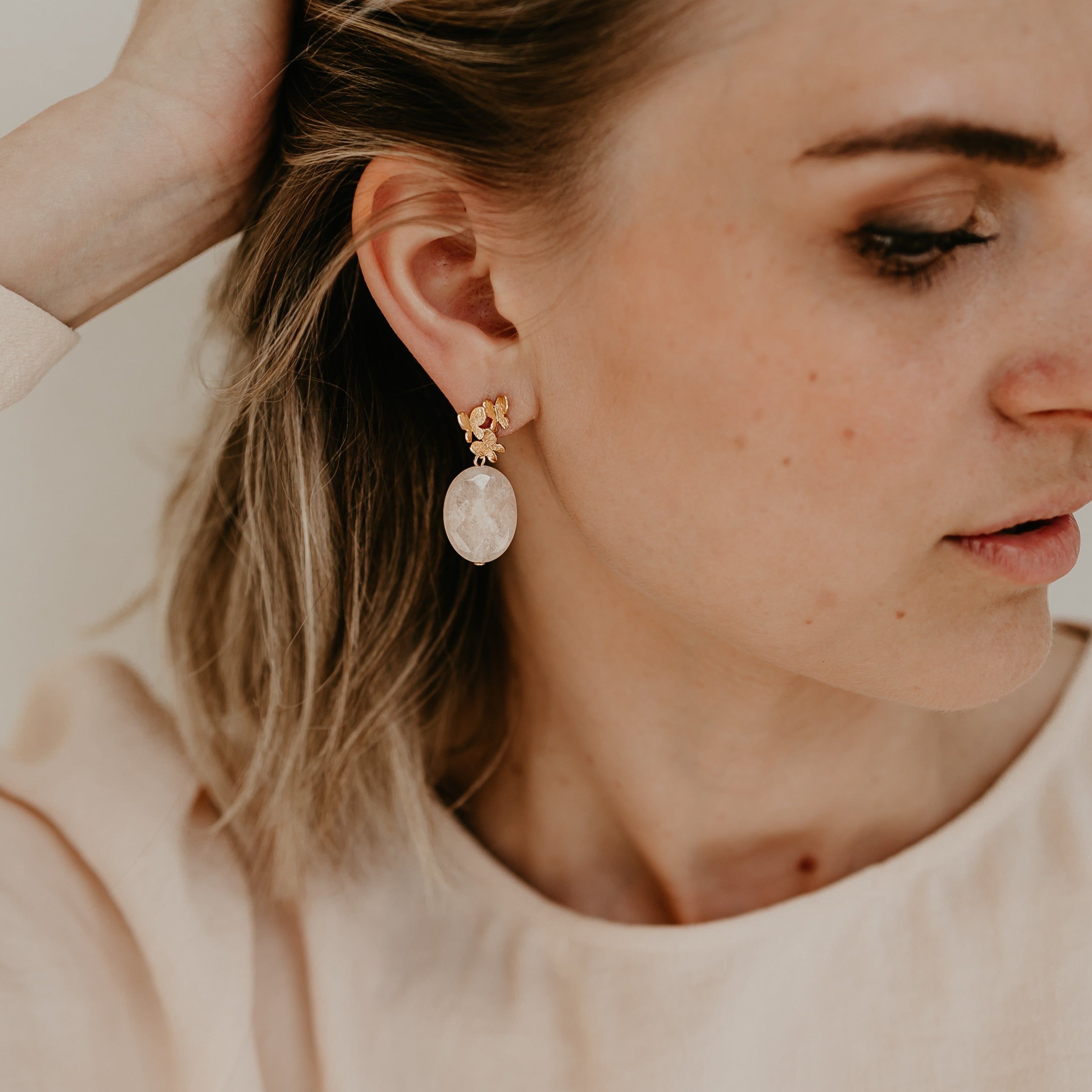
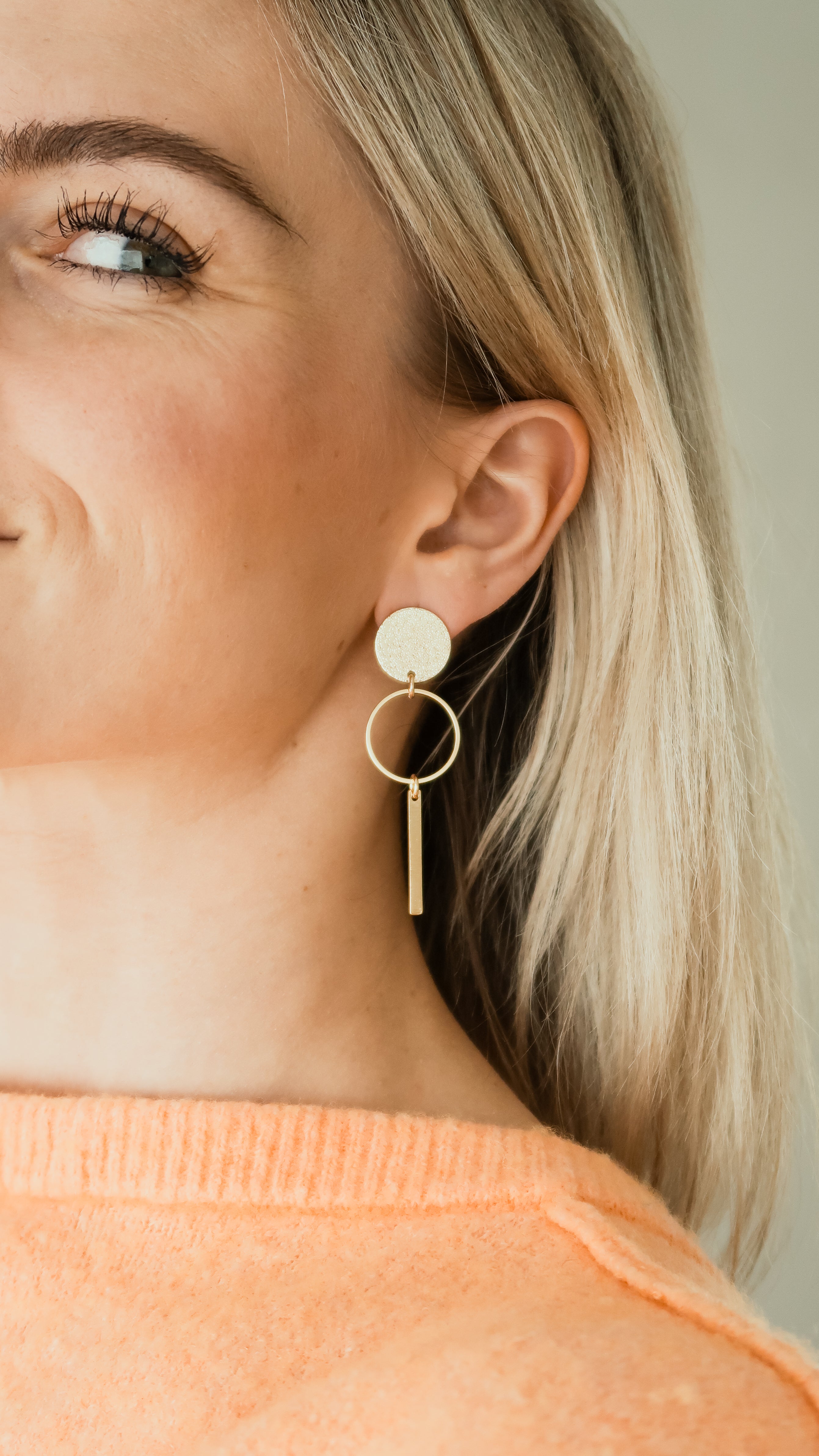
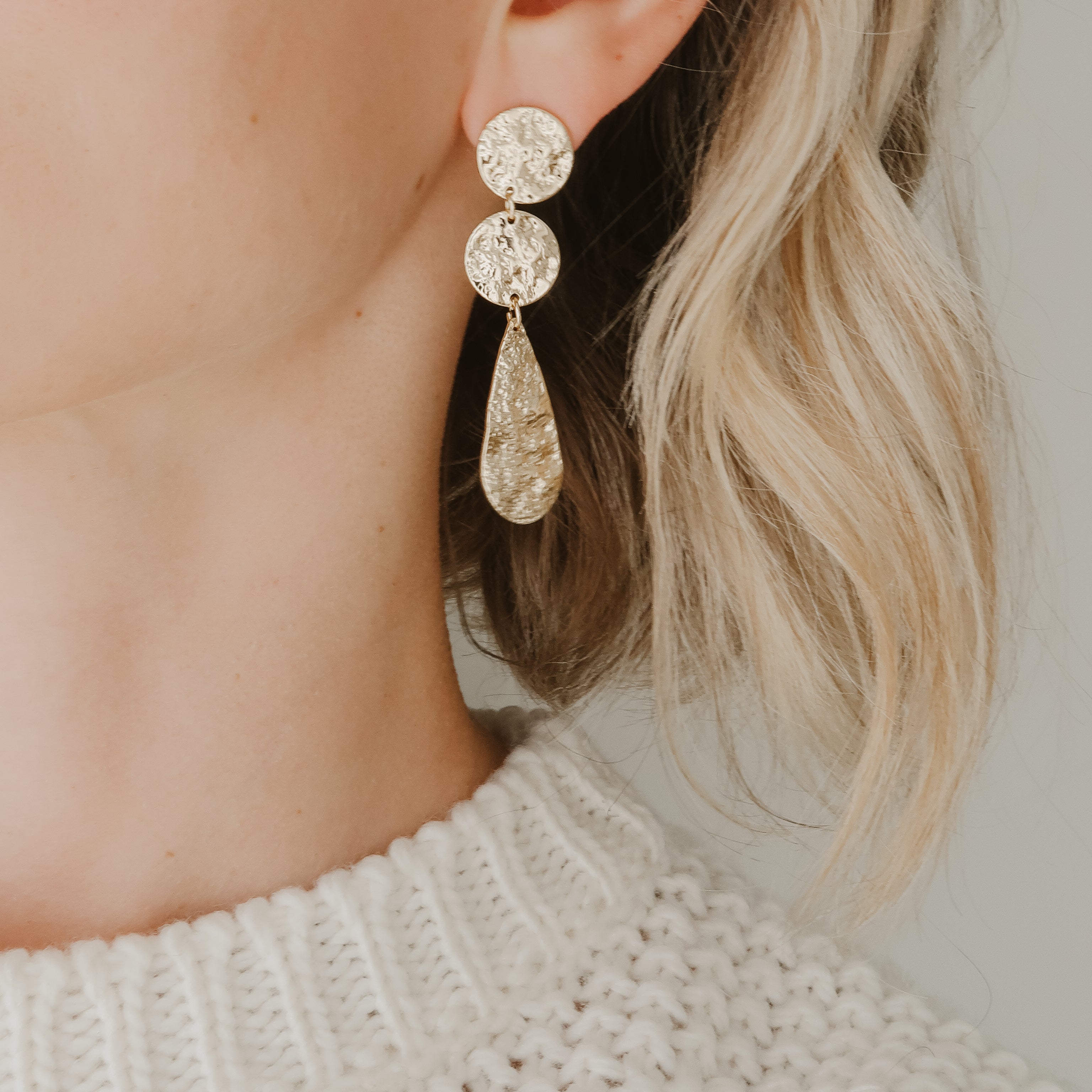
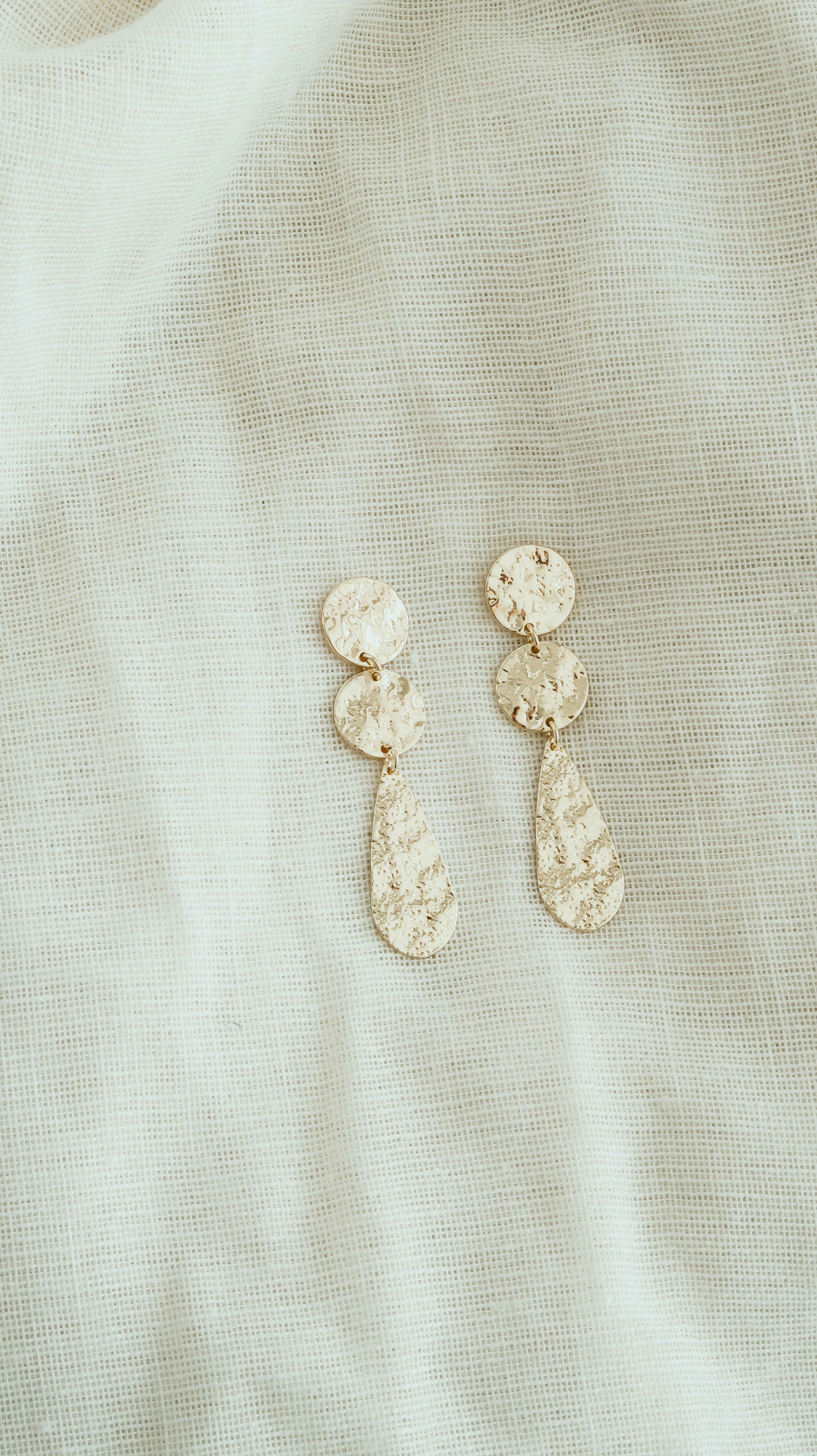
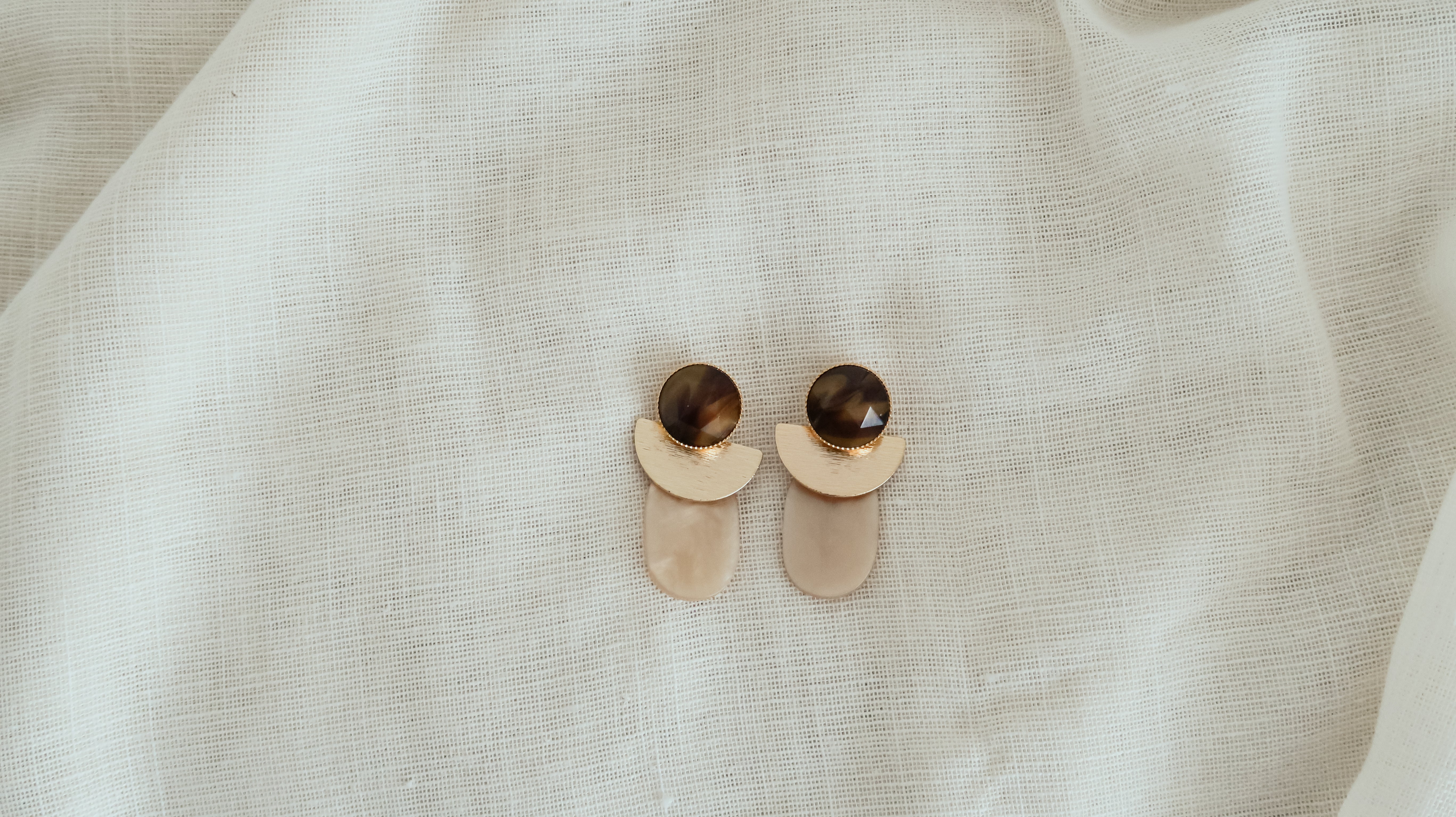
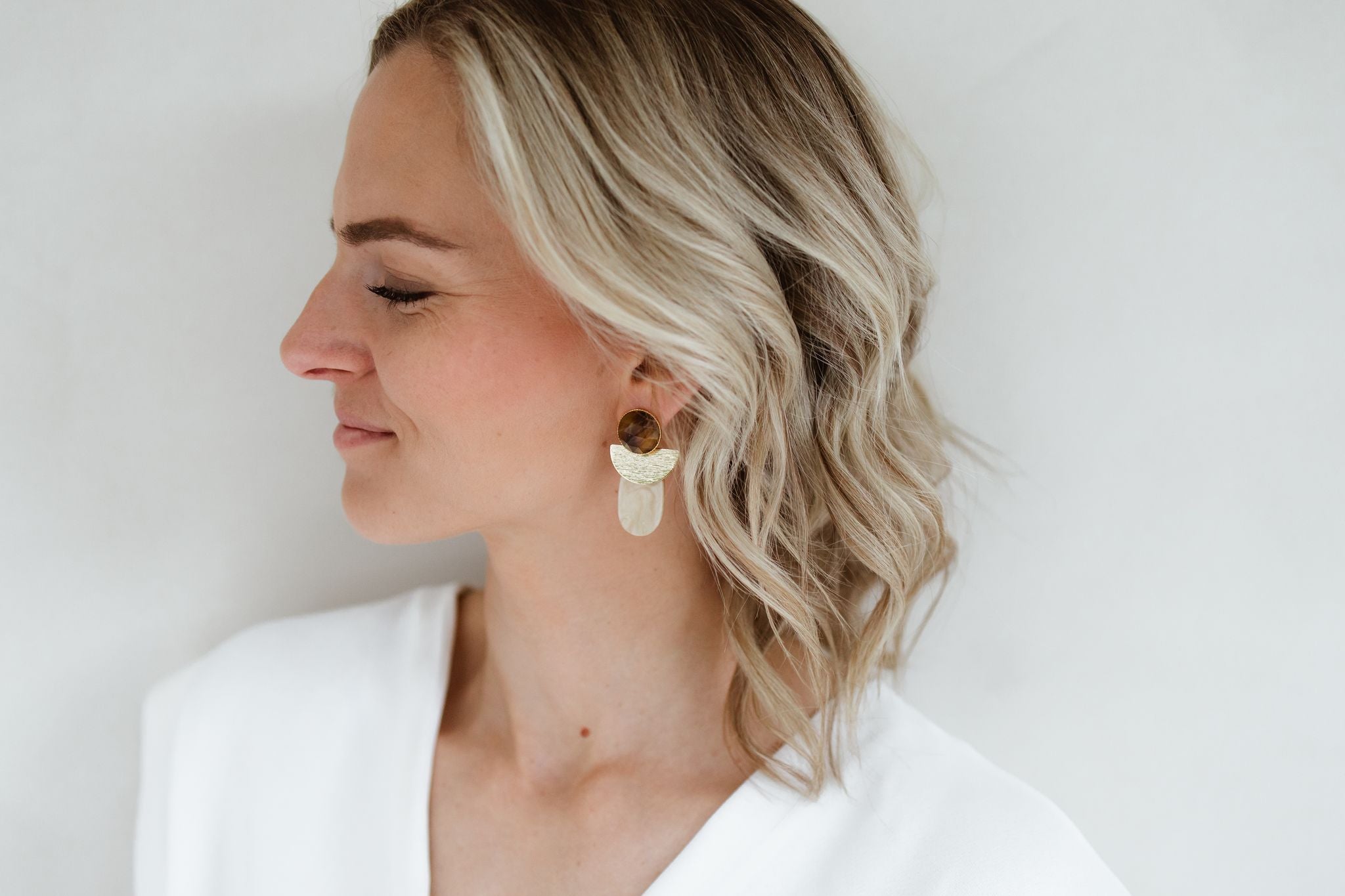
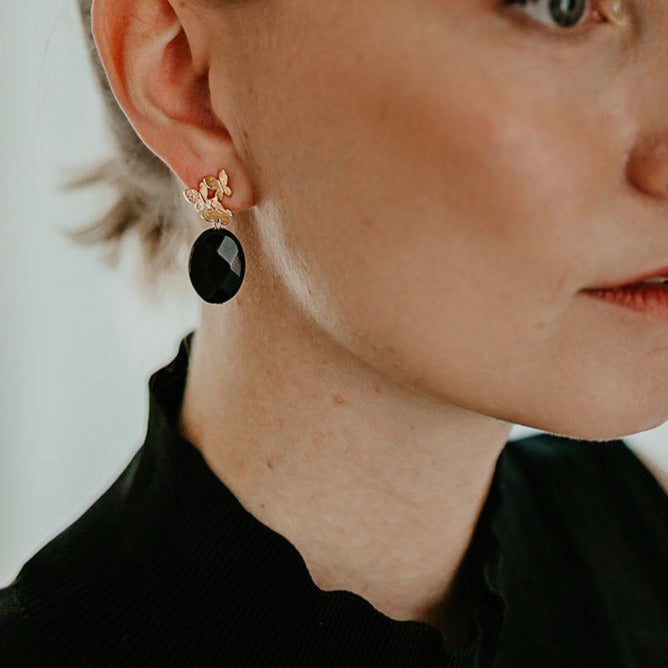
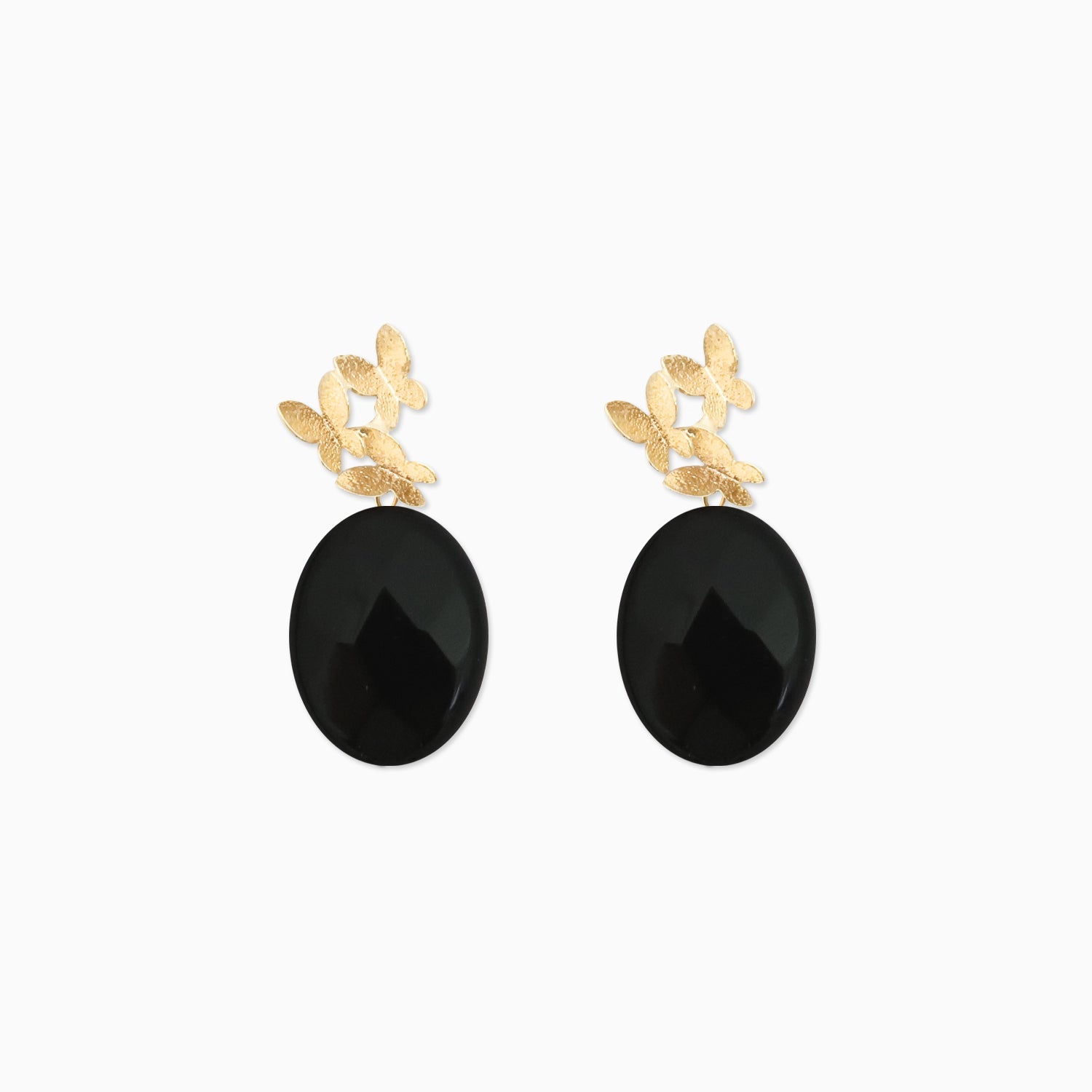
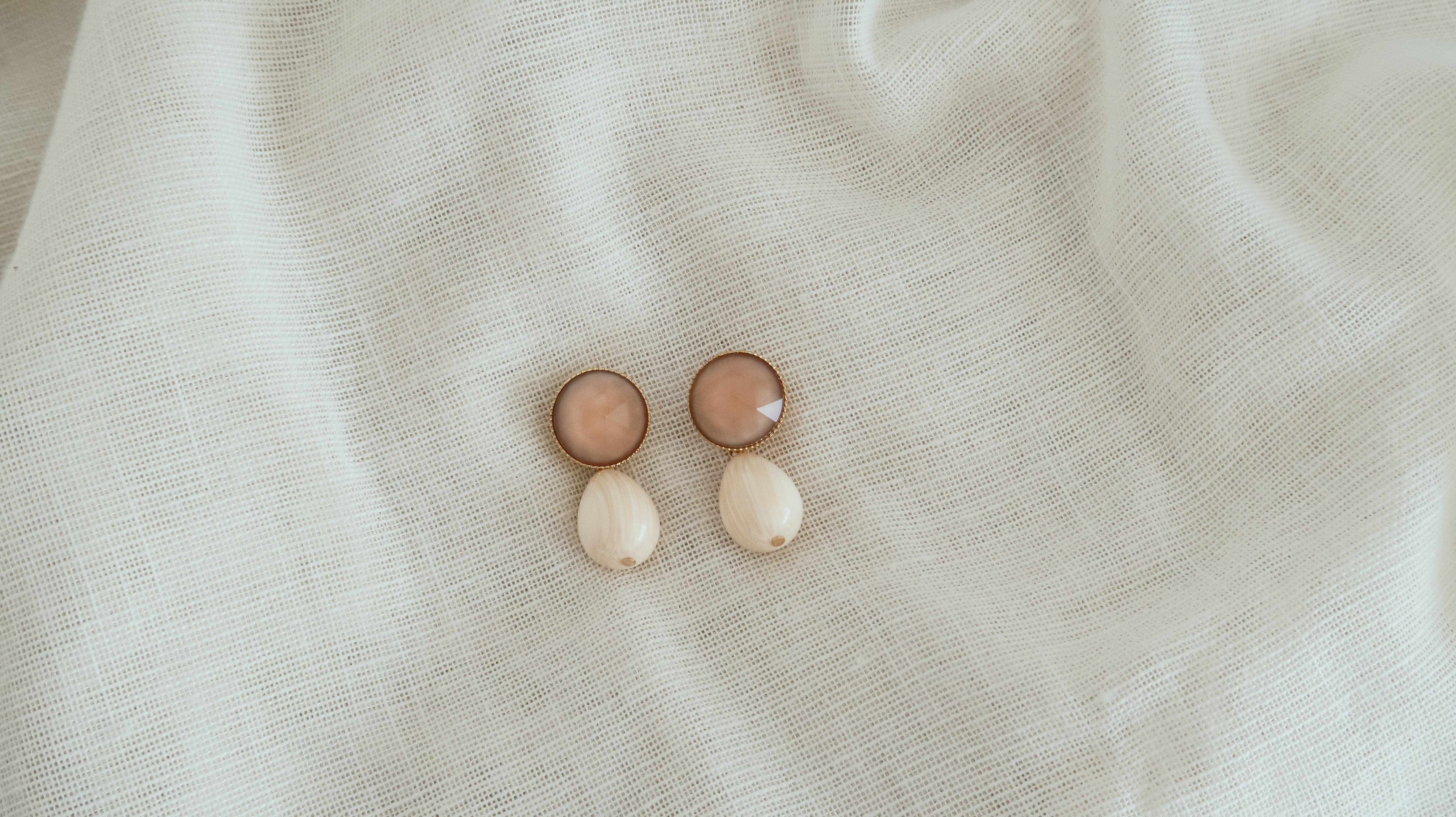
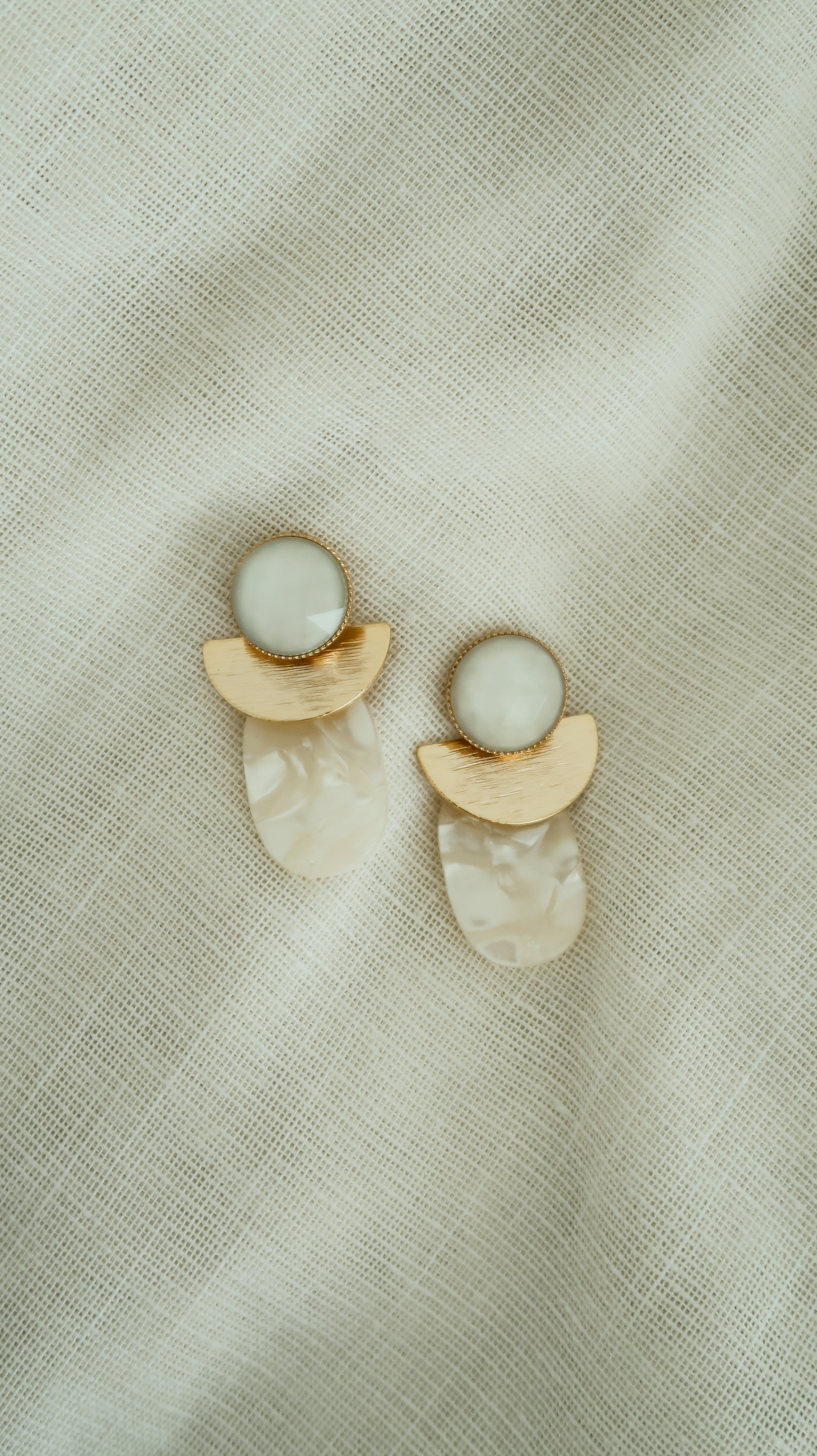
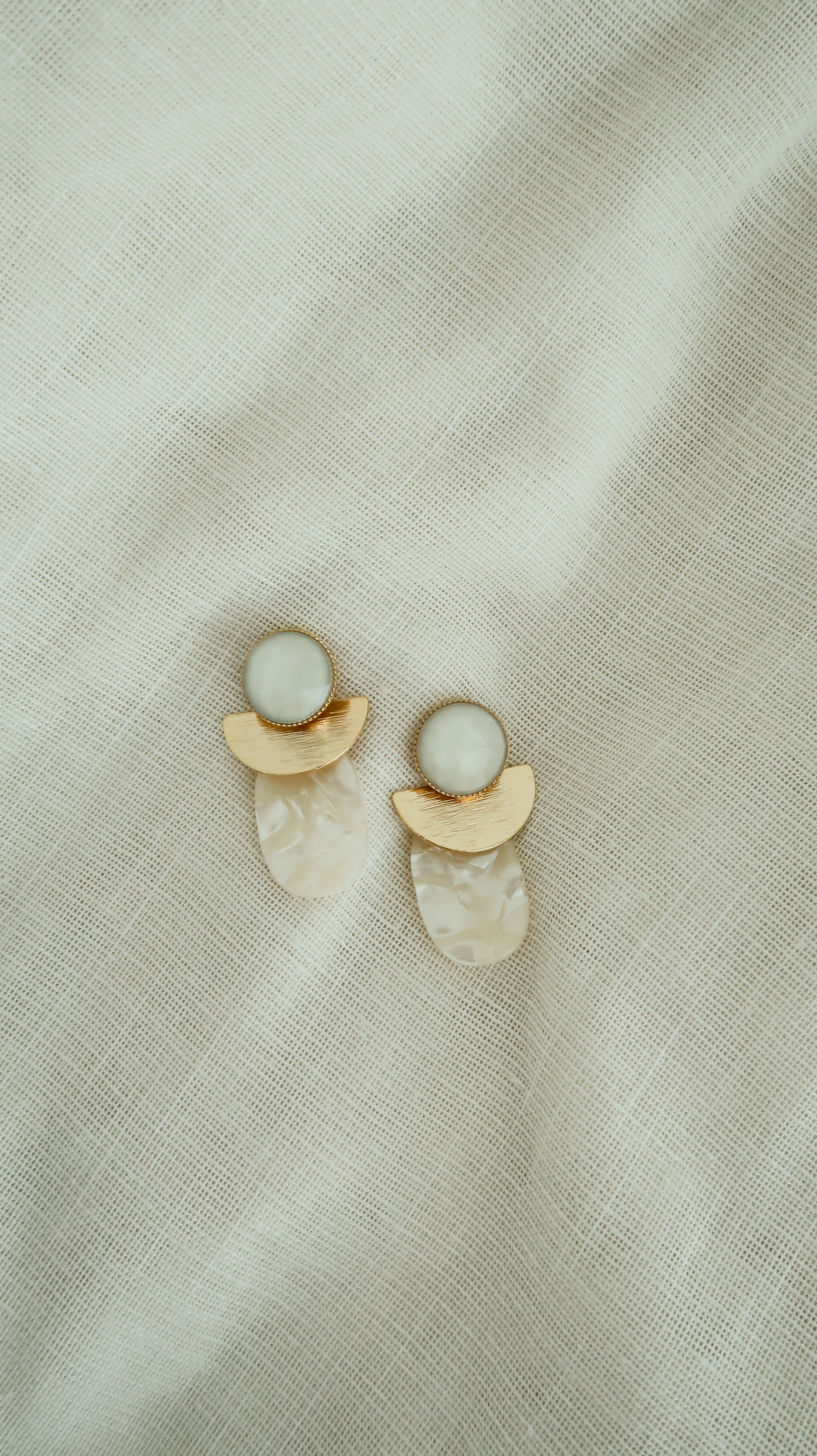
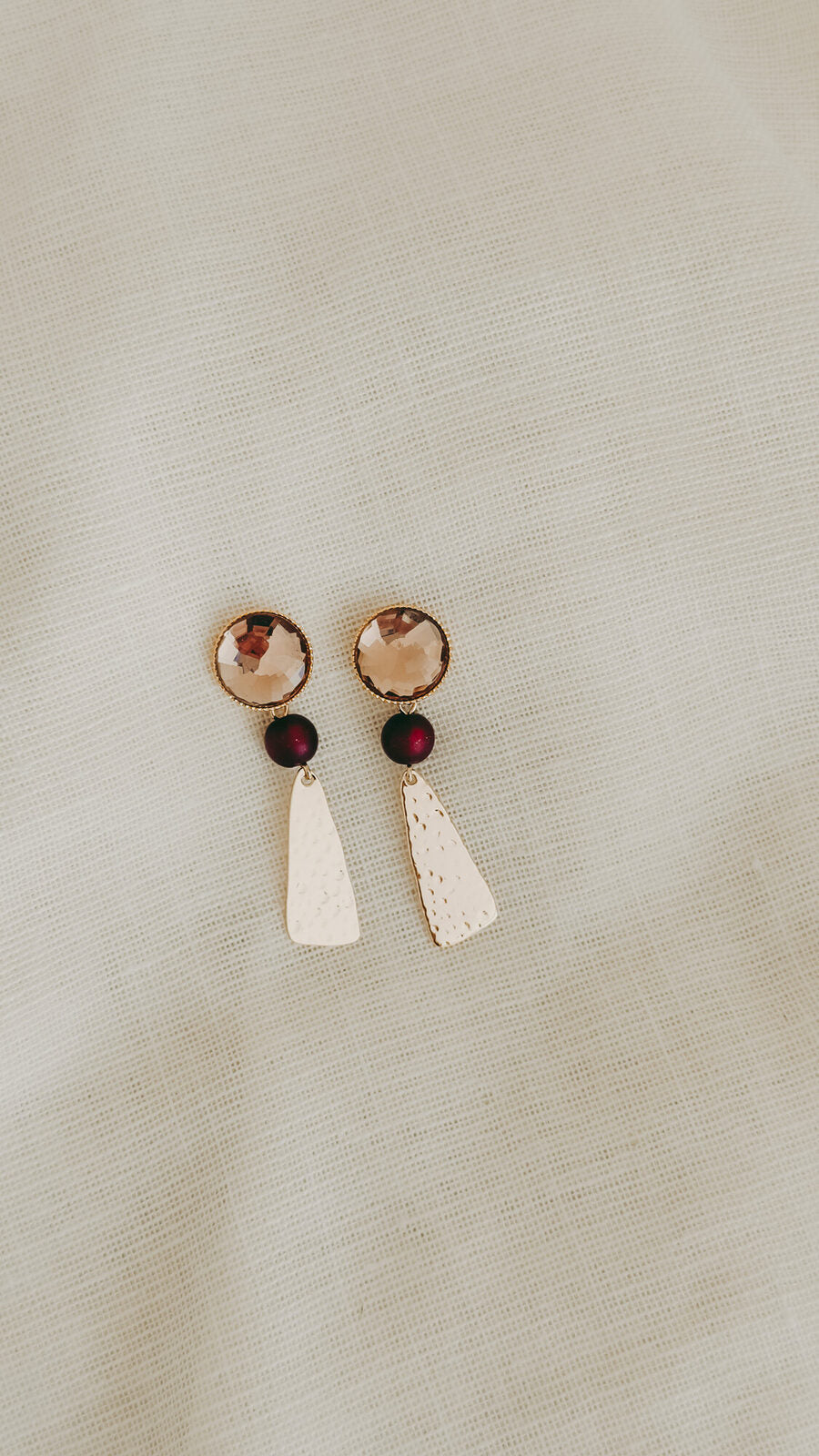
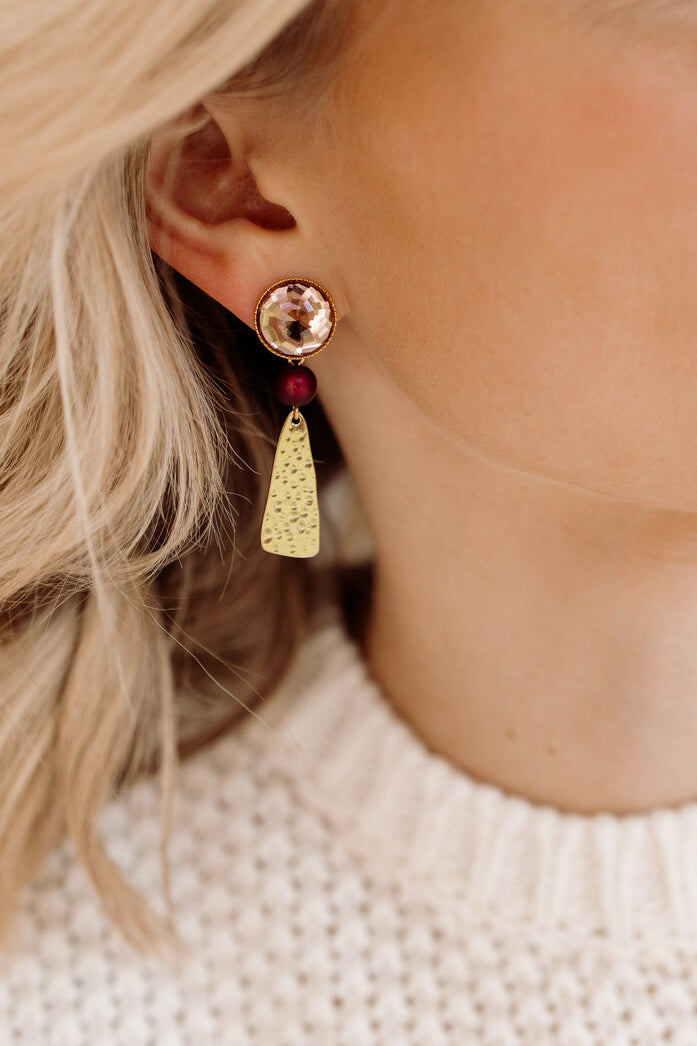
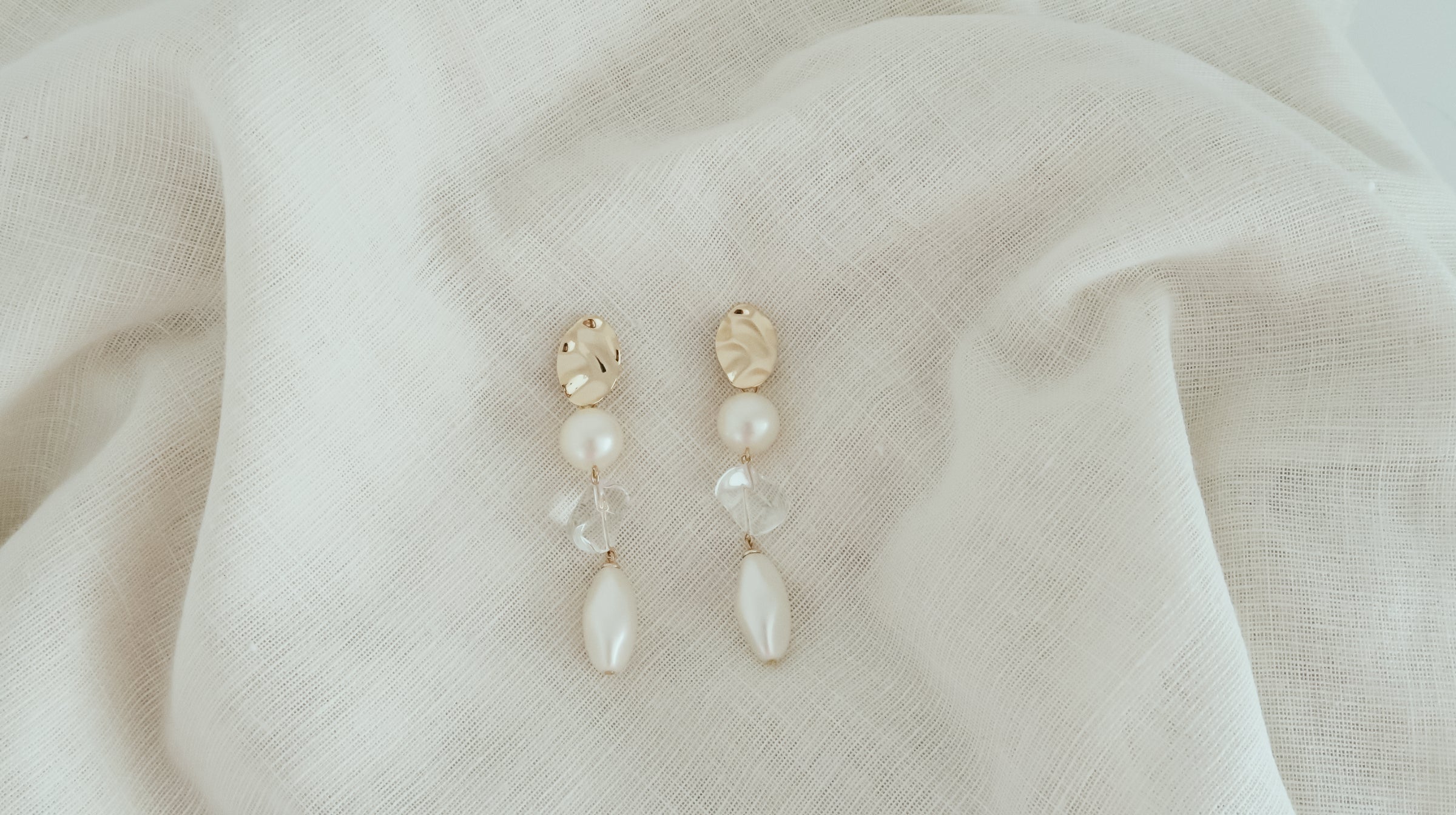
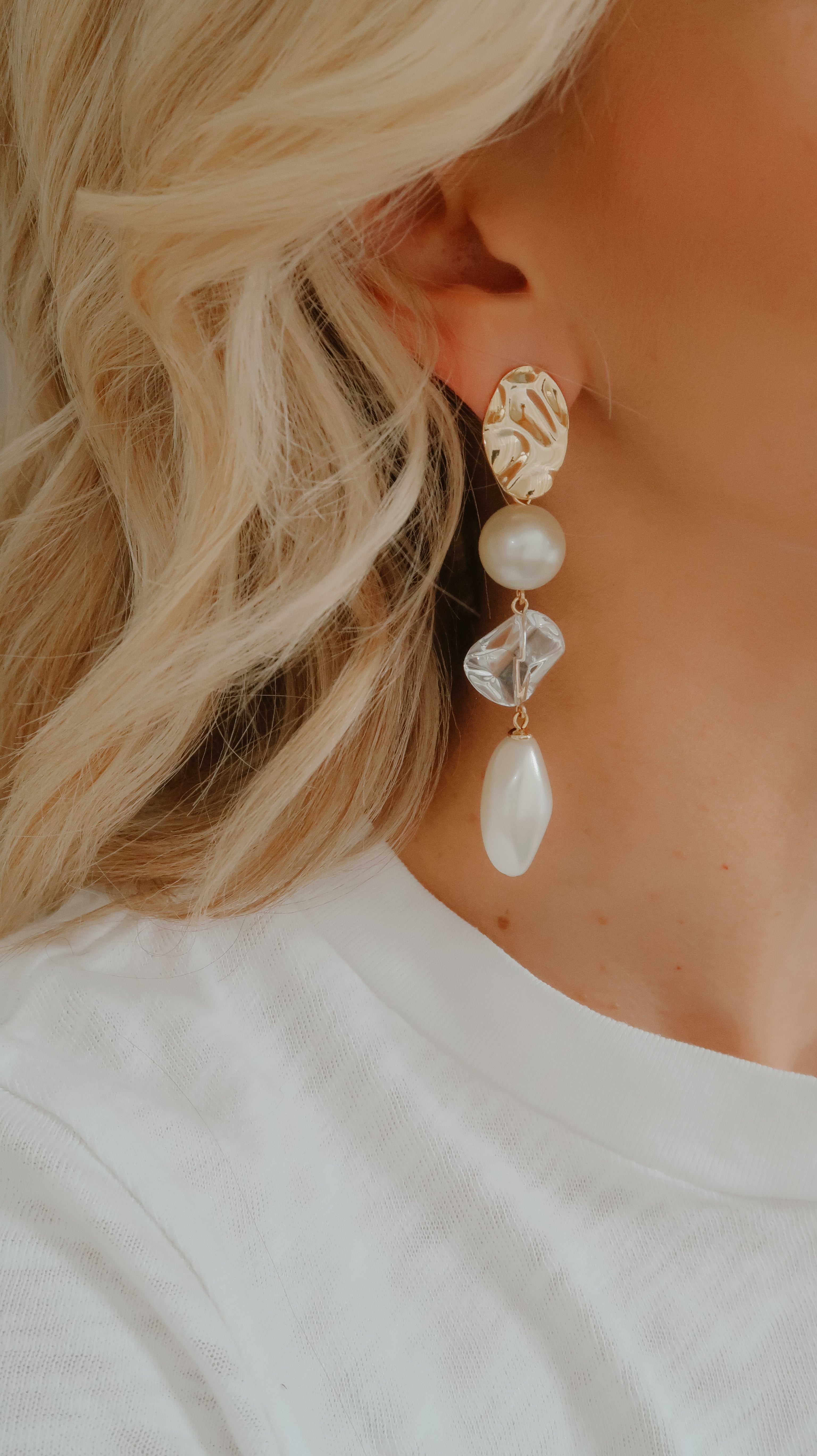
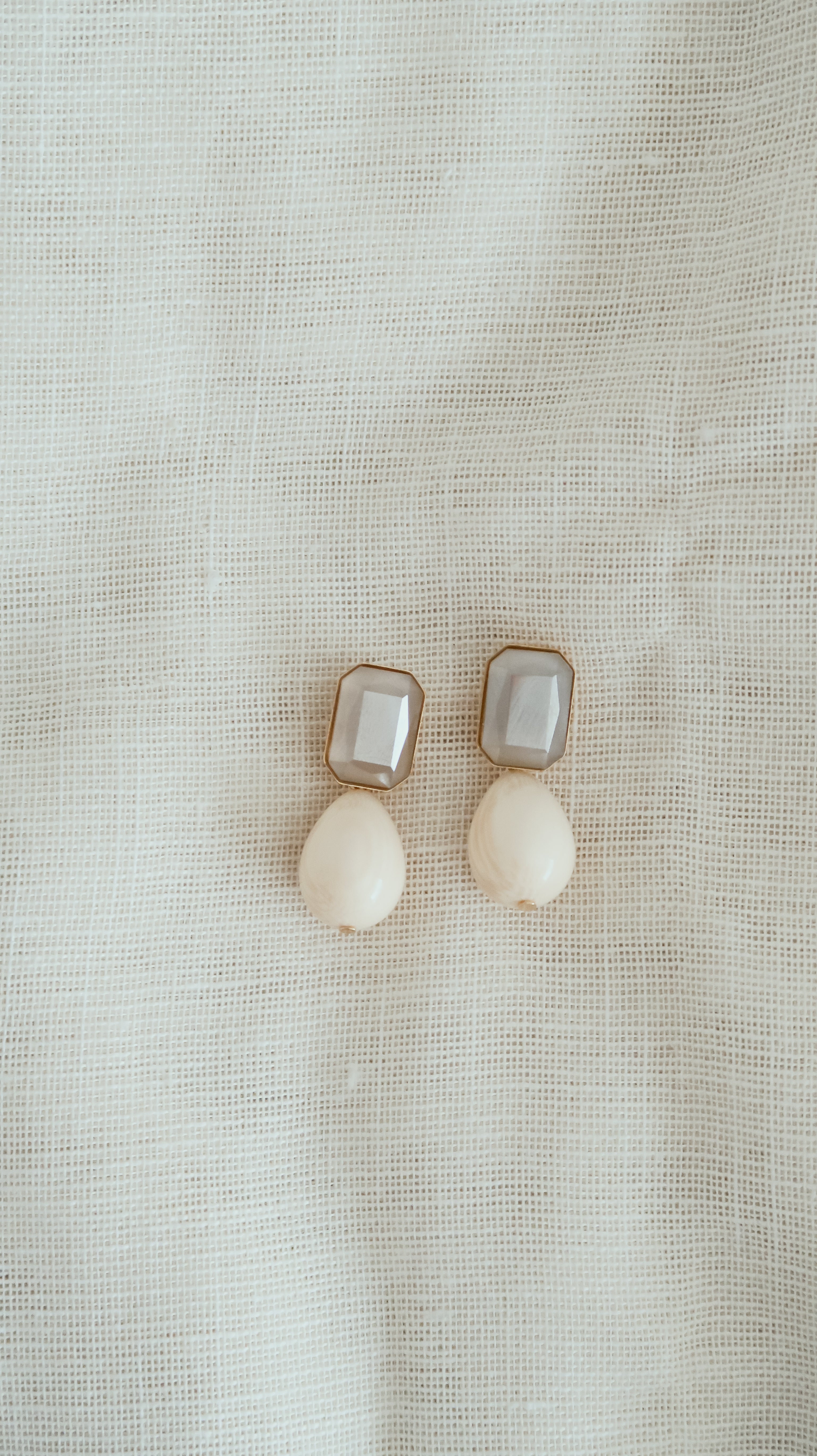
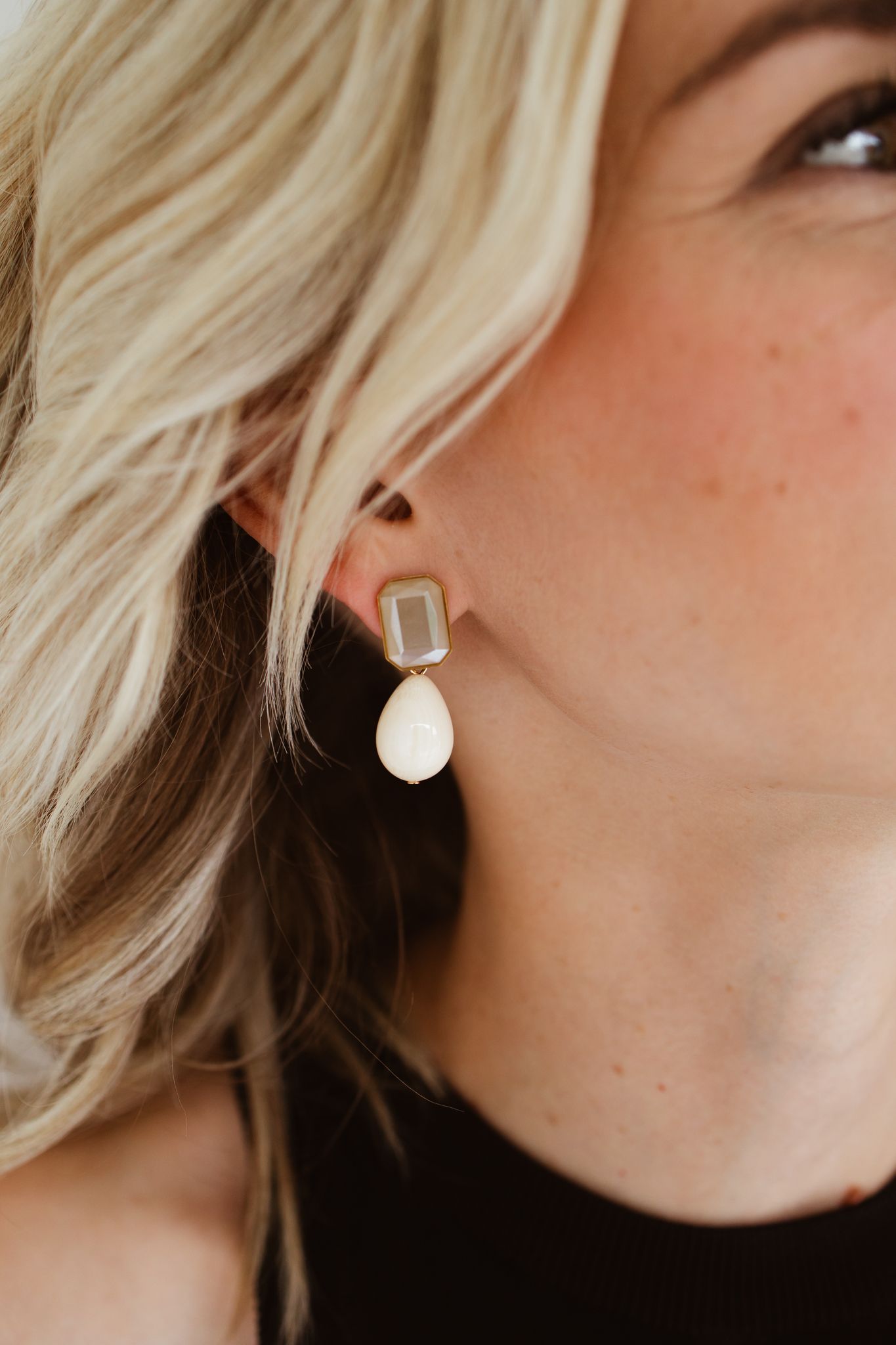
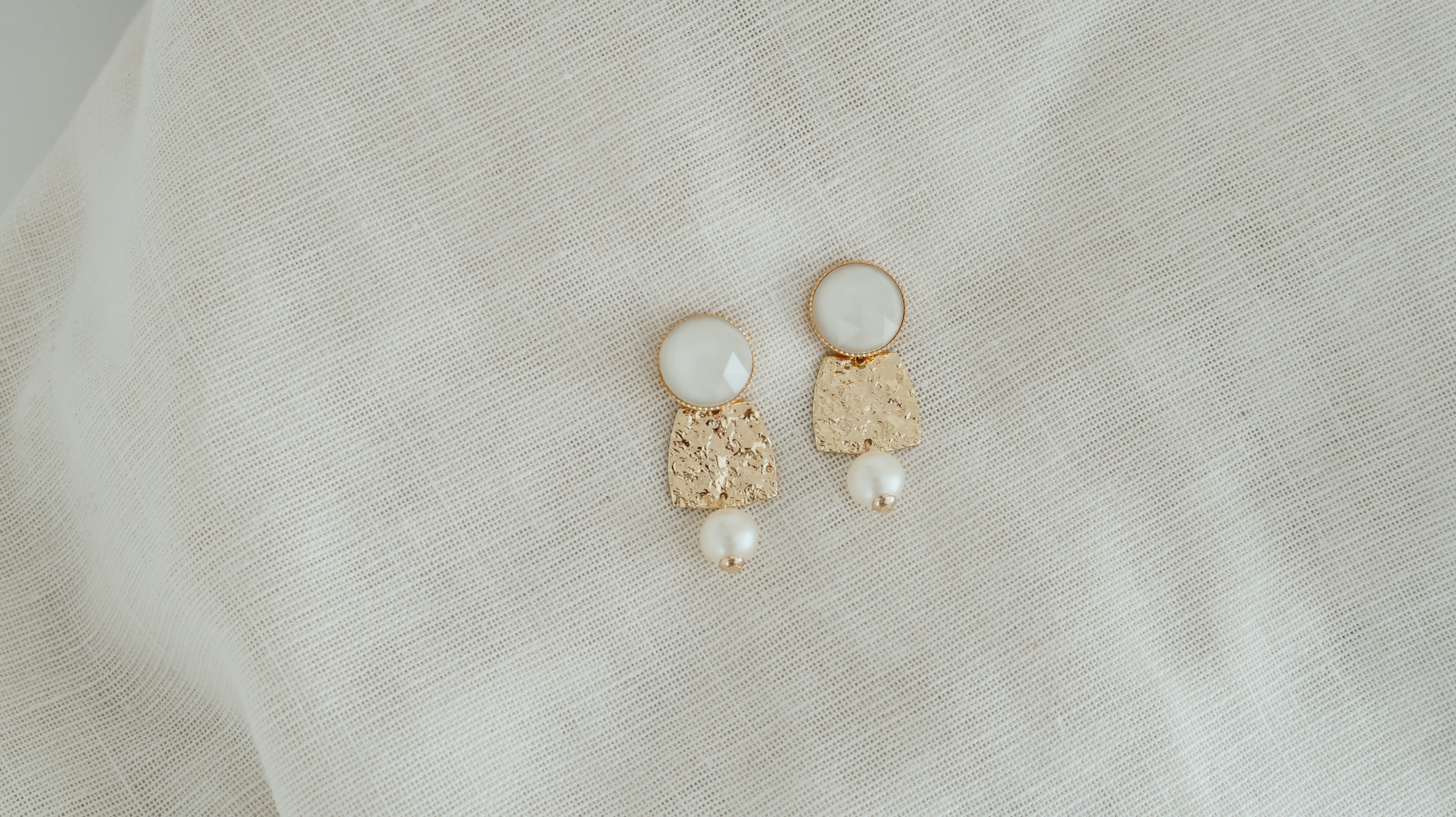
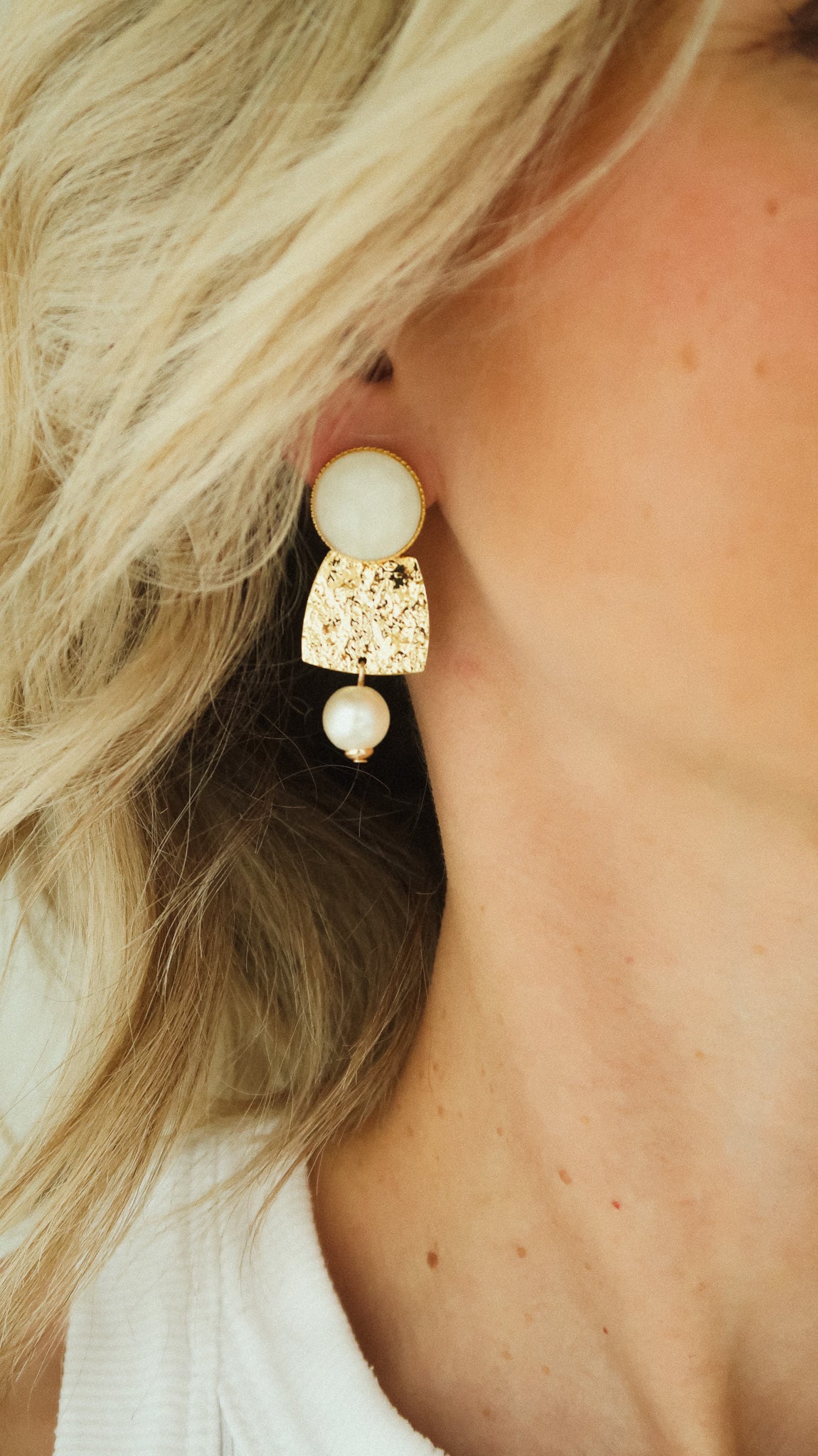
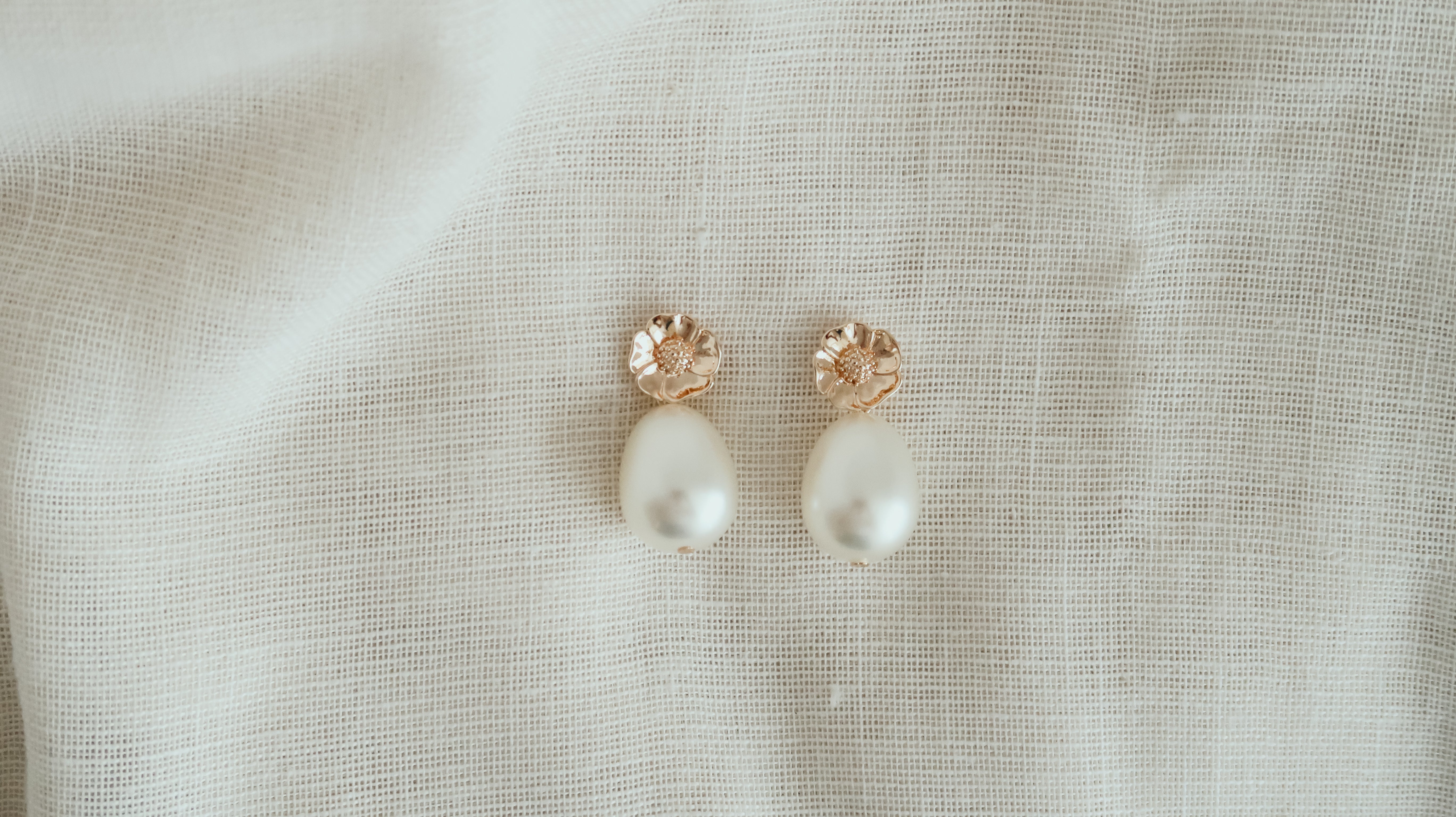
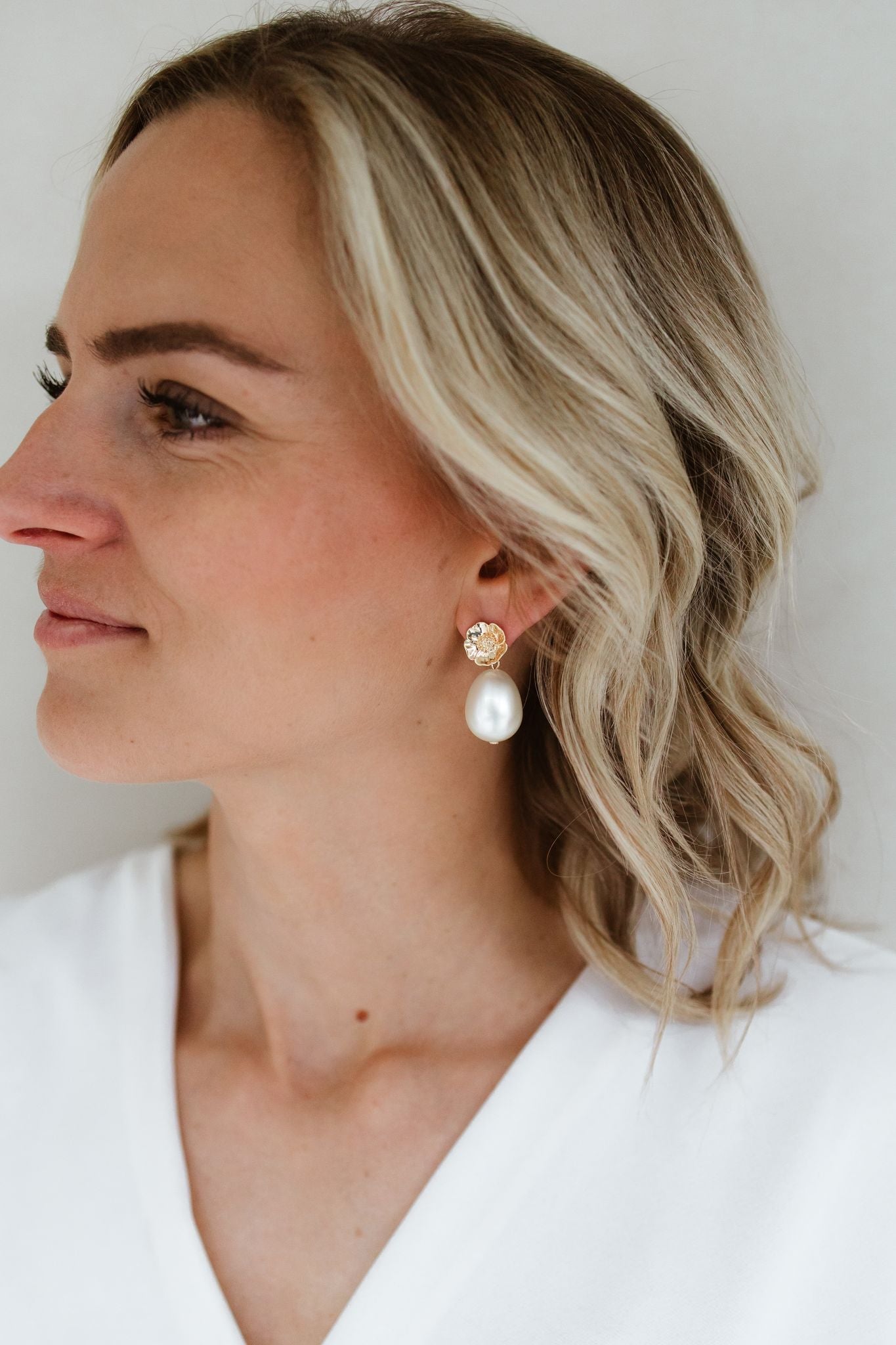
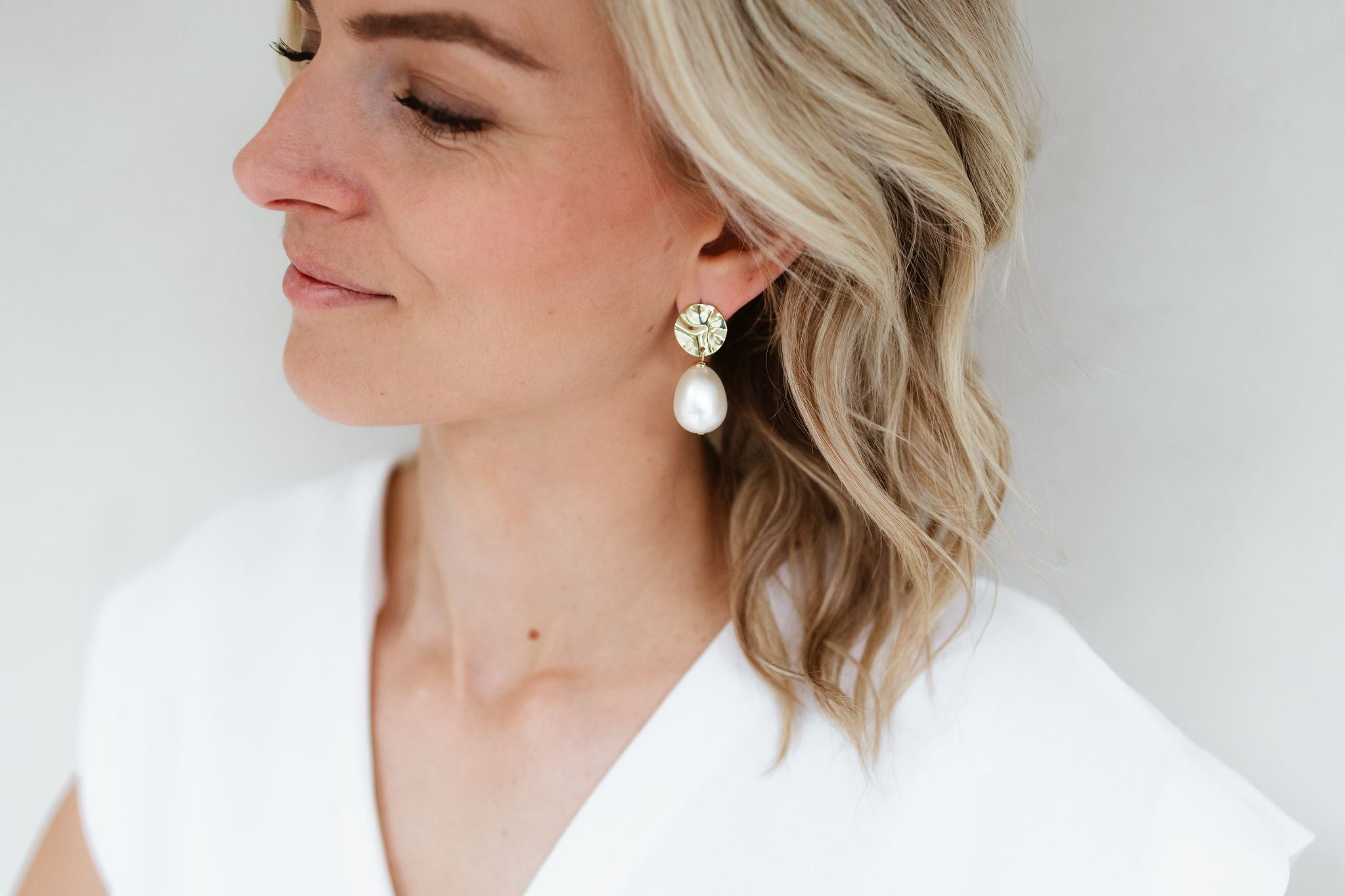
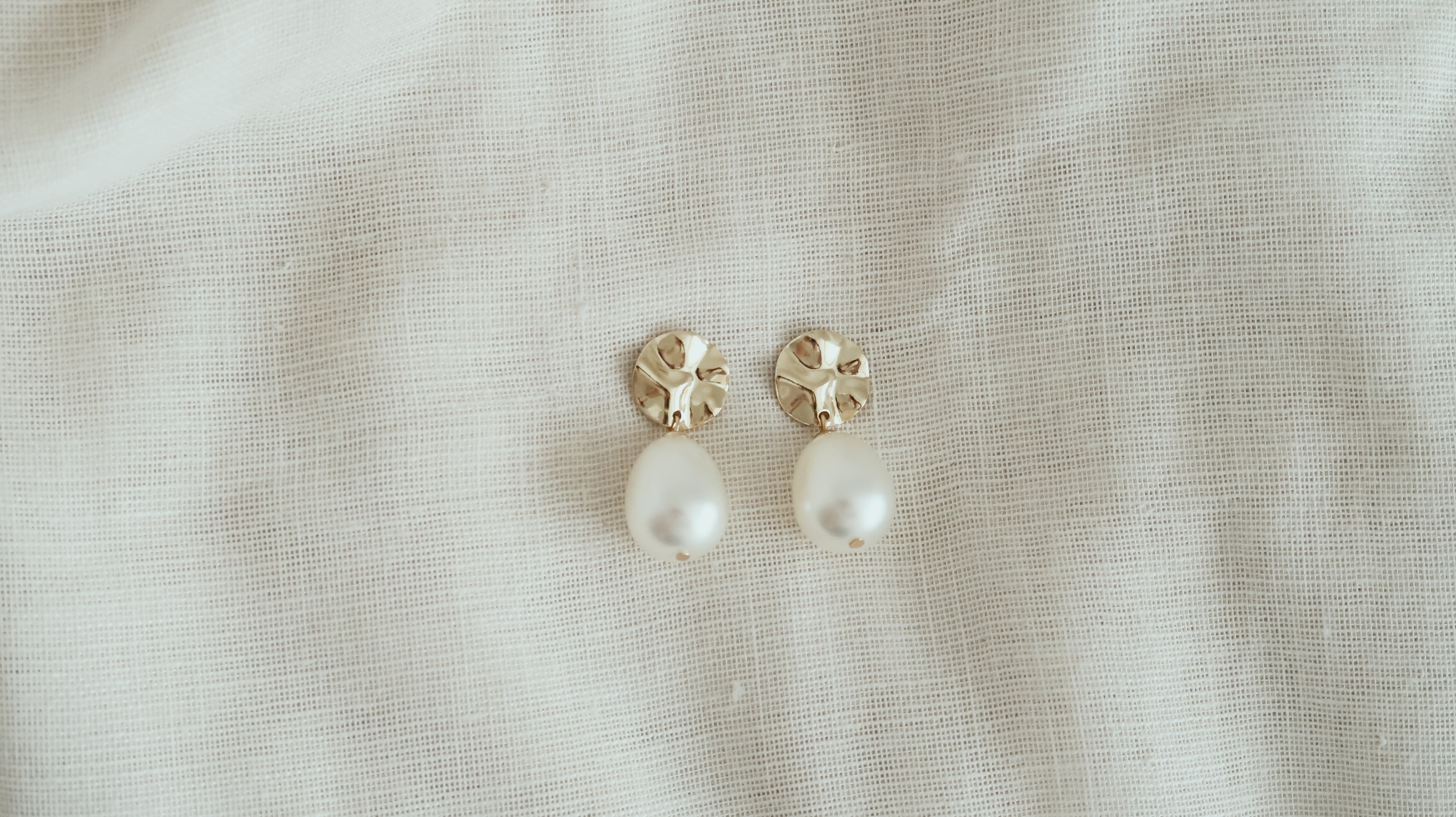
Gold plated sounds nice, but the story is in what's underneath. A layer of 14k or 18k gold on a nickel-free base (such as sterling or brass without nickel) is safe and beautiful. A layer of gold on a cheap nickel alloy is a ticking time bomb for a sensitive wearer: as soon as the plating wears off, the nickel is released. So always ask about the base. Our Whisper White, Ada Snow and Kaia Oat use consciously chosen base materials — 100% nickel-free, lead- and cadmium-free, and tested for daily wear comfort.
What about solid 14k or 18k gold?
Solid gold (not plated) of 14k or higher is a safe choice for most sensitive ears, provided the alloy is nickel-free. Higher karat (18k or 22k) means more gold and less other metal — so statistically less risk of a reaction. Disadvantage: solid gold is more expensive and somewhat softer, so less suitable for daily, intensive wear.
What to avoid
Cheap fashion earrings without clear material specifications, old costume jewelry (often high in nickel), and 'silver plated' or 'gold plated' without mentioning the base. Also — despite the marketing — 'hypoallergenic' is not a legally defined claim. It says nothing about the actual nickel content.
Our choice: handmade in Dendermonde, guaranteed nickel-free
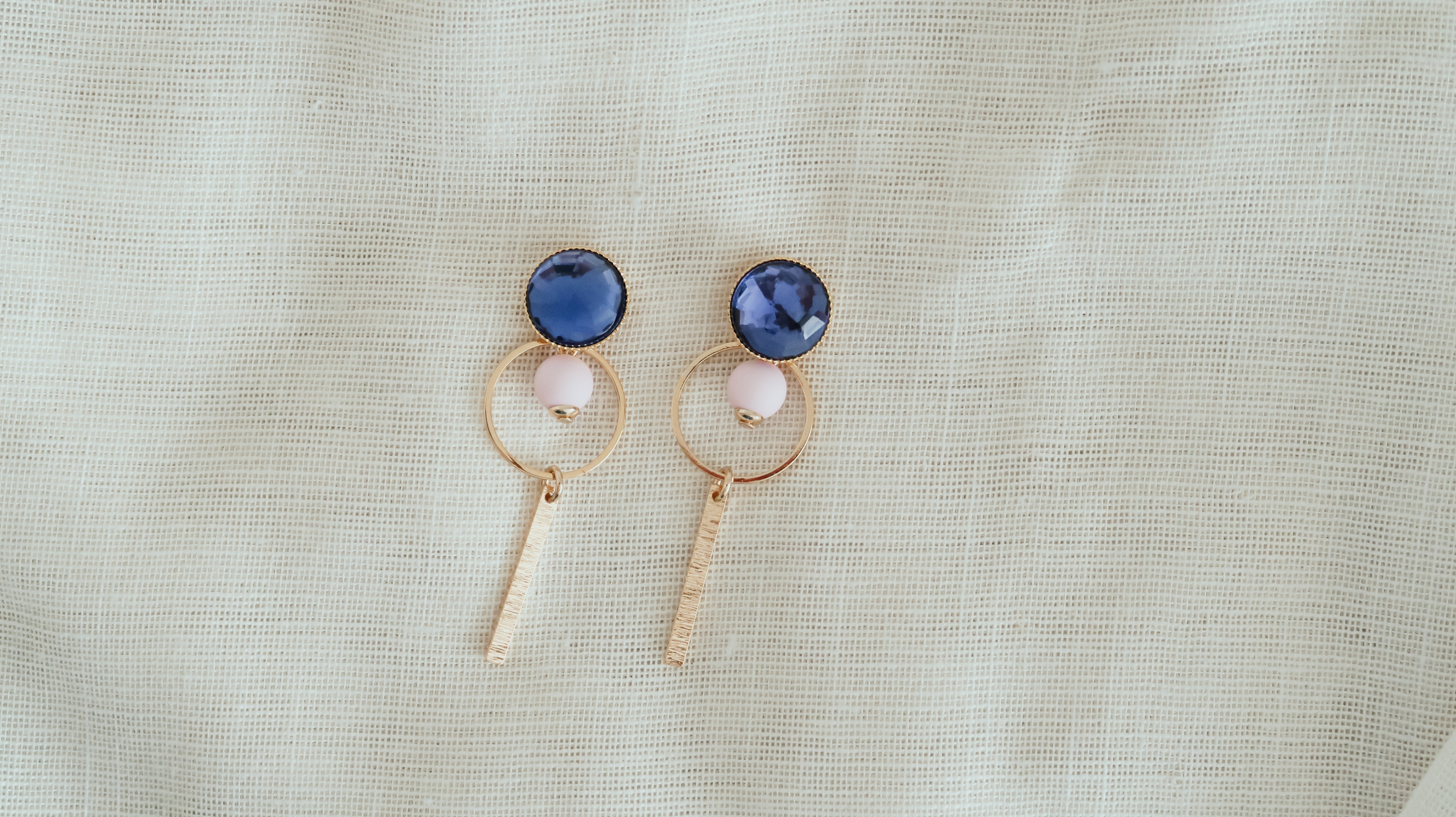
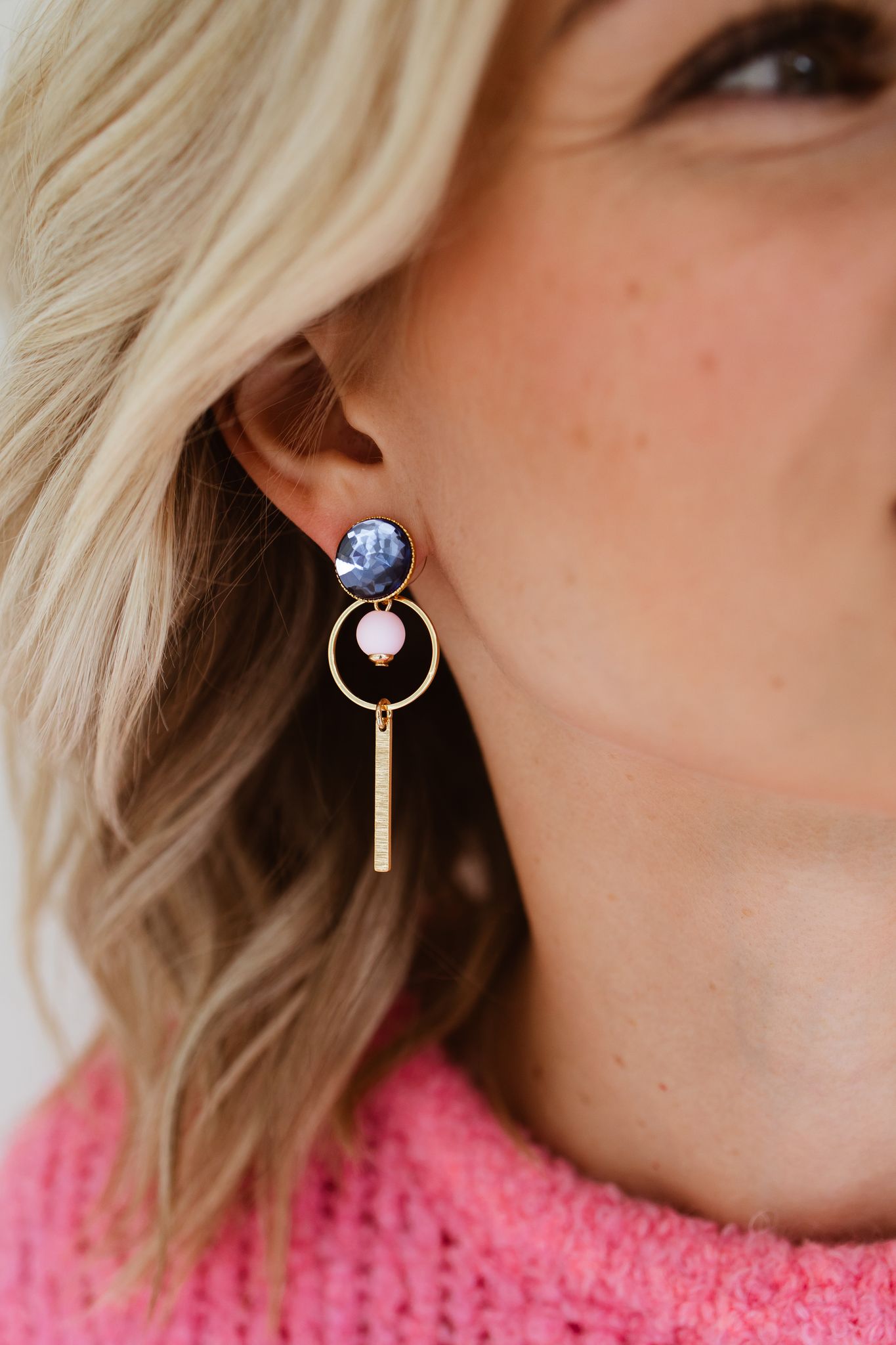
Over the past few years, we have consciously chosen suppliers and materials that we trust ourselves. All Petit Bonbon earrings are 100% nickel-free, lead- and cadmium-free and handmade in Dendermonde in small batches. This means: no mass production, but personal attention. Start with a light set like Whisper White, Ada Snow or Kaia Oat — elegant, comfortable and made for those who consciously care for their ears.
Do you doubt whether your ears react to a specific material? Read our guide on nickel-free earrings for sensitive ears or recurring ear infections — often the cause lies in material you never suspected.
This is general information and not medical advice. In case of doubt: consult your doctor or dermatologist.
Shop dit artikel

Kind to sensitive ears
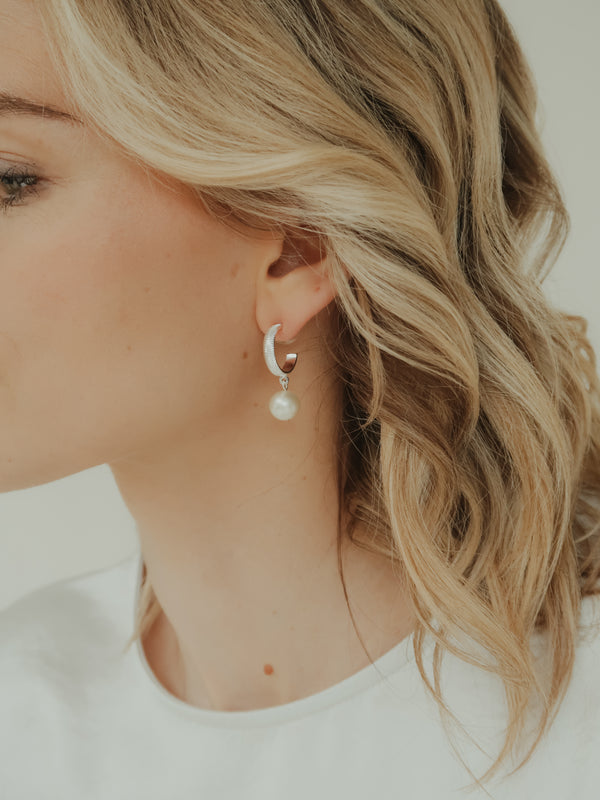
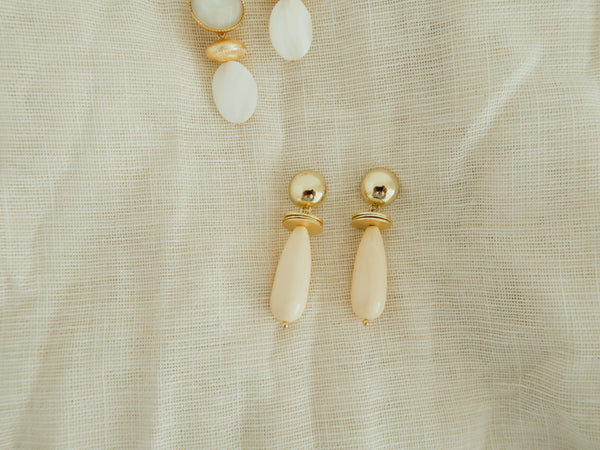
All Petit Bonbon earrings are 100% nickel-free, lead-free and cadmium-free — handmade in Dendermonde, made for comfortable daily wear.
Discover moreMake your outfit stand out
Handcrafted statement earrings





Hypoallergenic earrings: marketing claim or truly safe?
You read it on almost every jewelry label: hypoallergenic. It sounds reassuring, as if nothing can happen to your ears. But does that term really mean your earrings are safe for sensitive ears? Or ...
Read more
What truly makes handmade earrings unique?
Two earrings lying next to each other may look identical at first glance — and yet you're never entirely sure. With handmade jewelry, the real story is in the details: the slight push of a finger t...
Read more
Leave a comment