

Verzorging 3 min lezen
Inflamed outer ear (helix) versus earlobe: the difference

In dit artikel
An ear piercing that just won't heal can be located in two very different places: in your soft earlobe or higher up, in the firm rim of your auricle. Although both are called 'infected ear', they behave completely differently. One heals in a few weeks, the other can drag on for months. If you understand the difference, you'll know better what's normal, what requires care, and when it's best to consult a doctor. We've clearly laid it all out for you.
The Anatomical Difference
The earlobe at the bottom of your ear consists of soft tissue, well-supplied with blood and full of tiny blood vessels. The auricle, and especially the upper rim we call the helix, consists largely of cartilage. This difference is crucial. Well-vascularized tissue receives plenty of oxygen and immune cells, allowing it to heal quickly. Cartilage, on the other hand, has hardly any blood vessels of its own and must rely on what seeps in along the edges. The result: a wound in your earlobe heals smoothly, while the same wound in your auricle reacts much slower and sometimes more severely. This explains why a helix piercing requires so much more patience than a classic earlobe piercing.
How to Recognize an Infected Earlobe
An infected earlobe feels warm, looks red, and may be slightly swollen. Often there is some clear lymphatic fluid or a little pus, and the area is tender to the touch. With a fresh piercing, a mild reaction is normal for the first few weeks, as long as it slowly improves. If it worsens, starts to discharge more pus, or continues to throb, there's more going on. Good news: because the earlobe is so well-supplied with blood, it usually responds well to rest, hygiene, and a nickel-free earring. In our guide on preventing infected earlobes, you can read how to get an infection under control.
Why an Infected Auricle Is Different
An infection in the cartilage of your auricle is a more serious matter. It develops more slowly but can get severely out of hand because the cartilage has difficulty defending itself. Typical signs include a persistent, throbbing pain, a warm and hard swelling, and redness that spreads across the upper rim of your ear. Cartilage inflammation (perichondritis) can cause permanent damage to the shape of your ear if not treated promptly. Therefore, never force a helix piercing, don't constantly twist it, and opt for light, nickel-free jewelry that won't further irritate the delicate tissue.
The Right Care for Each Type
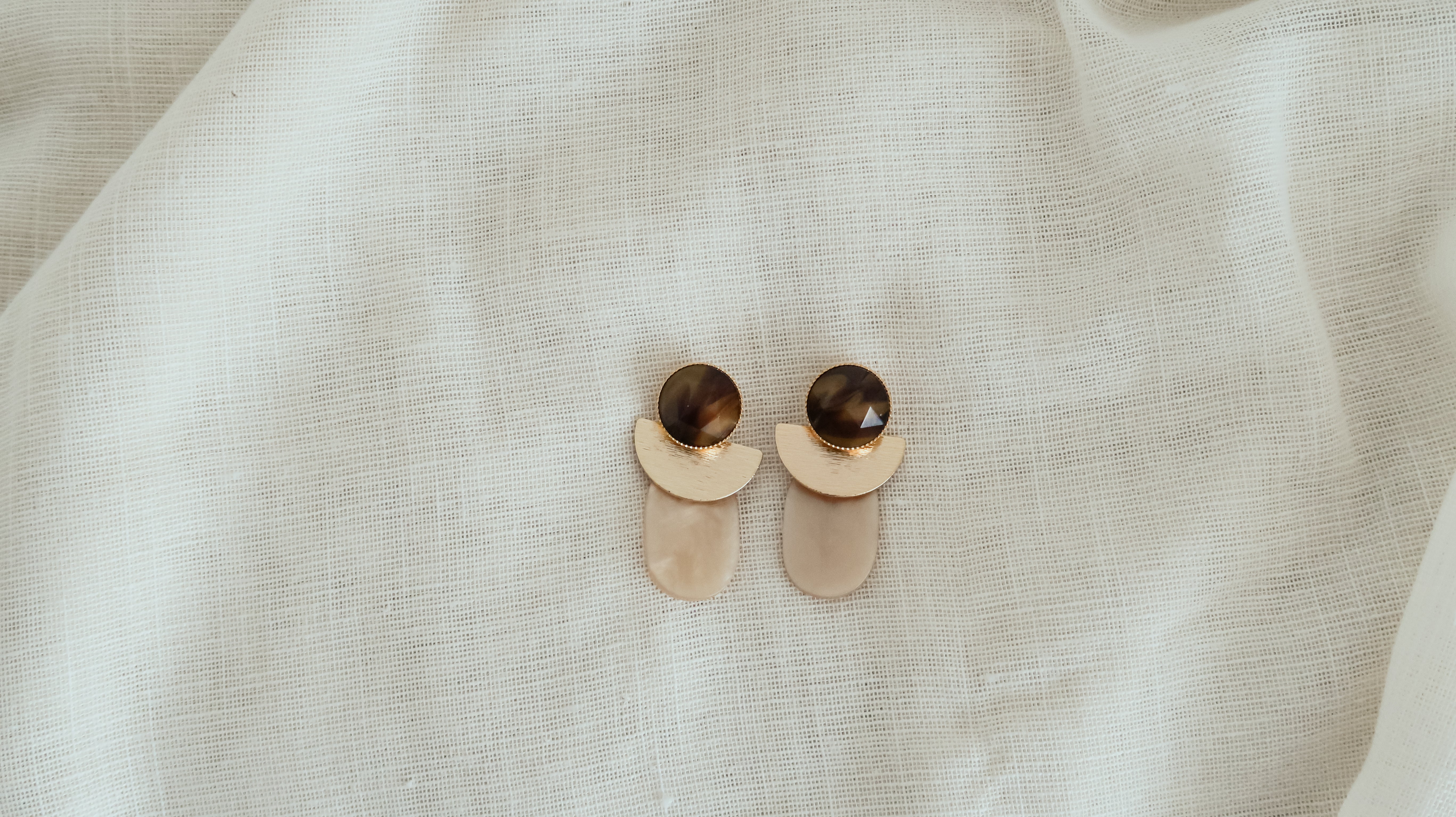
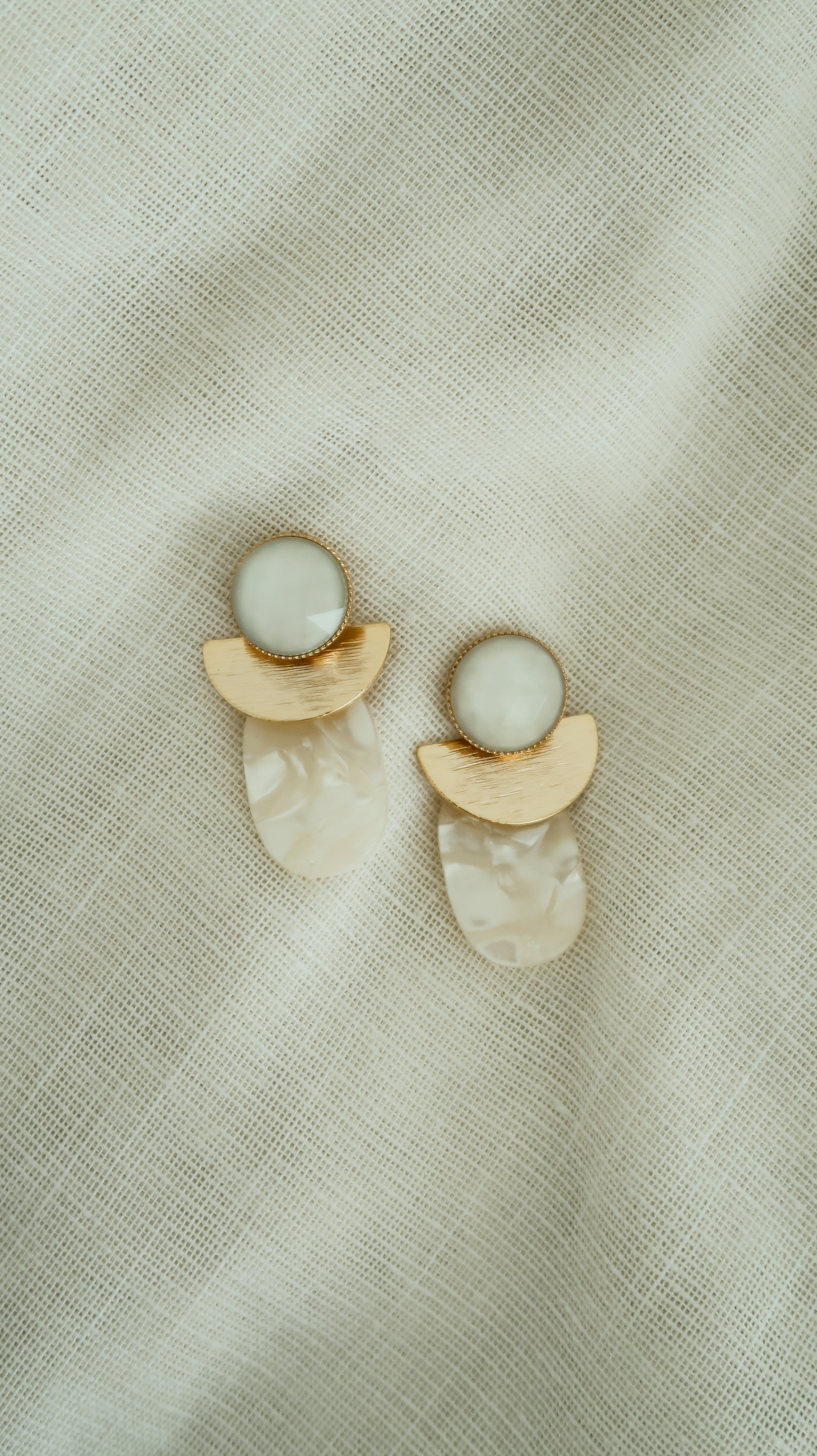
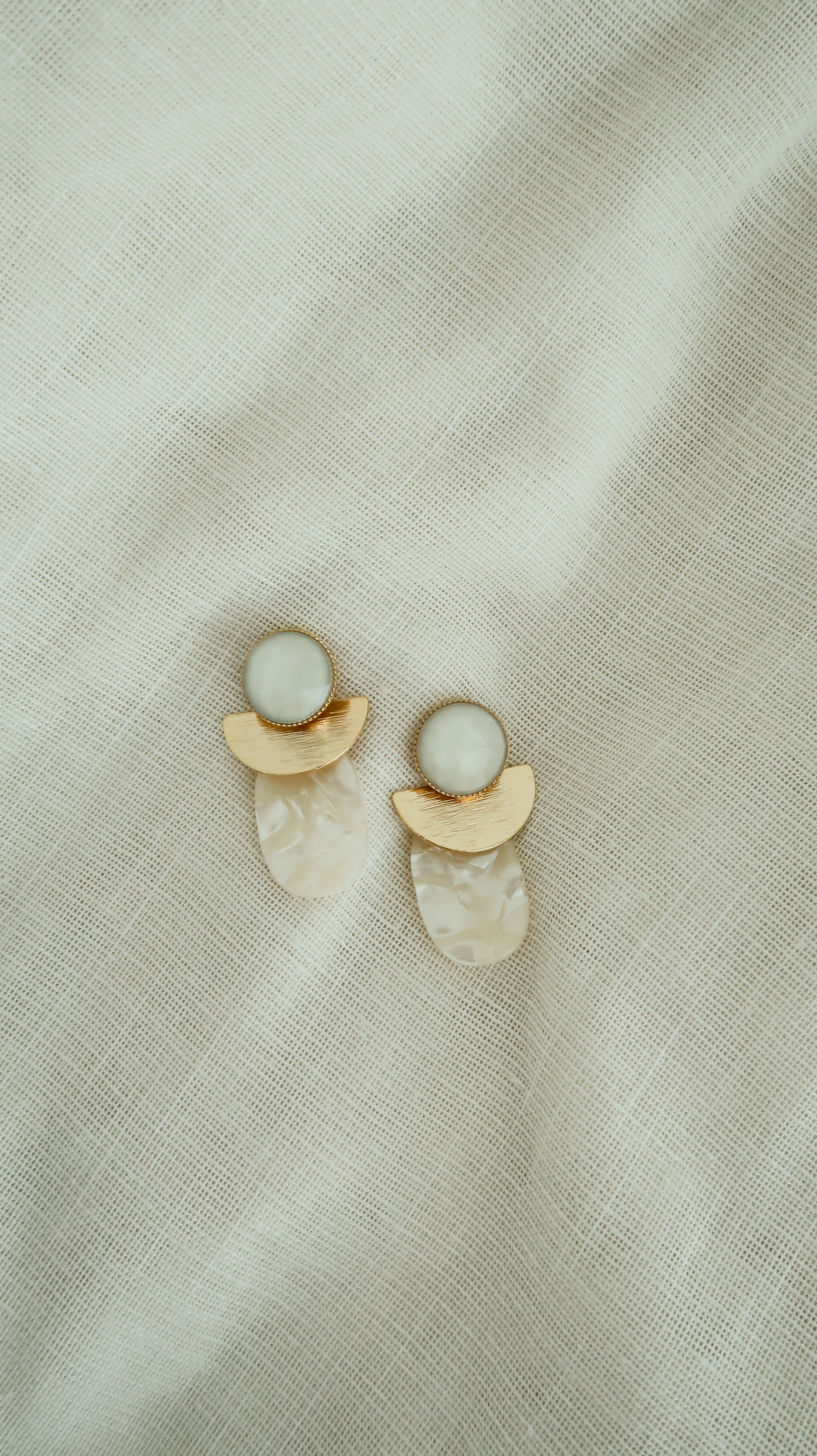
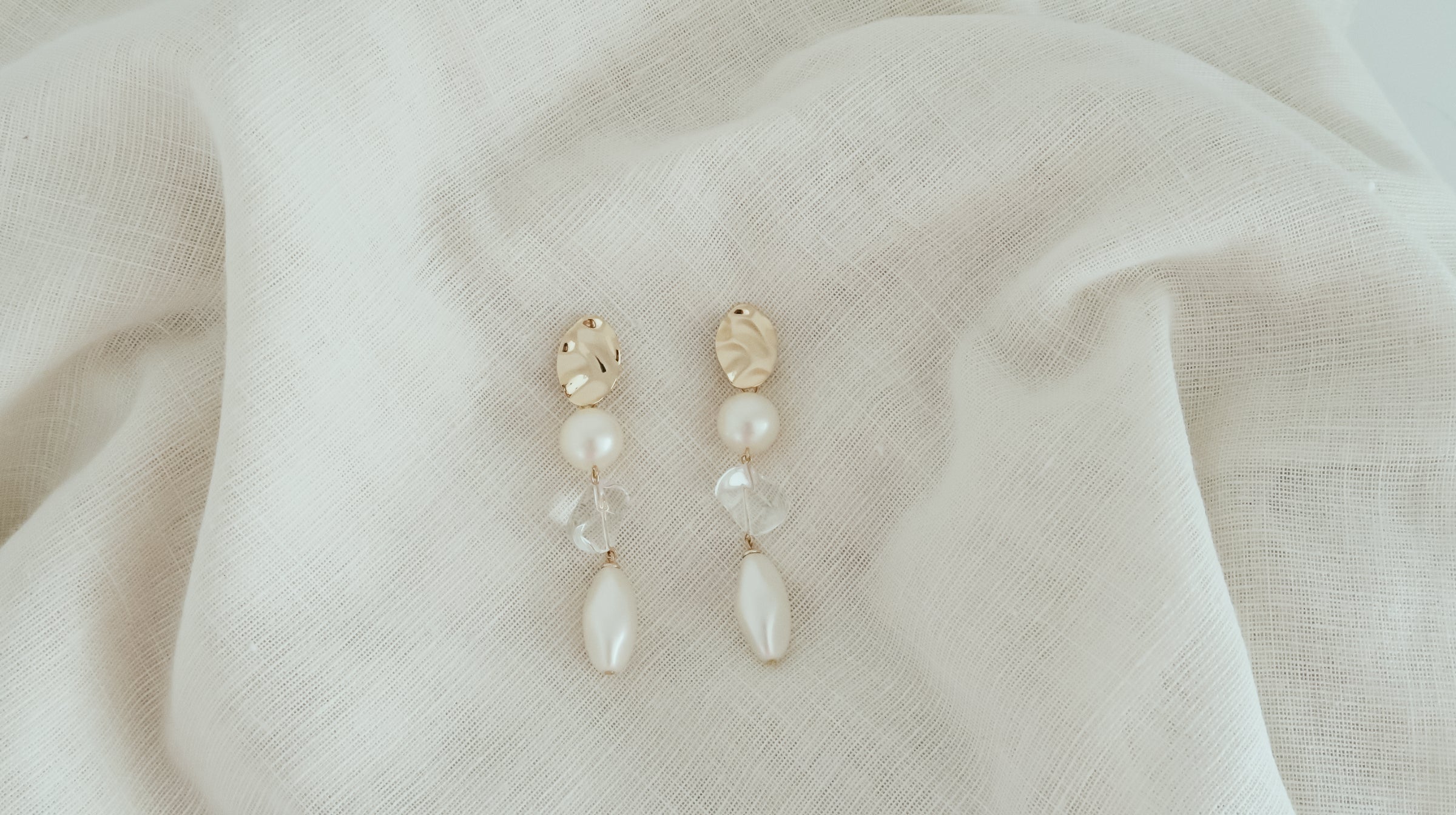
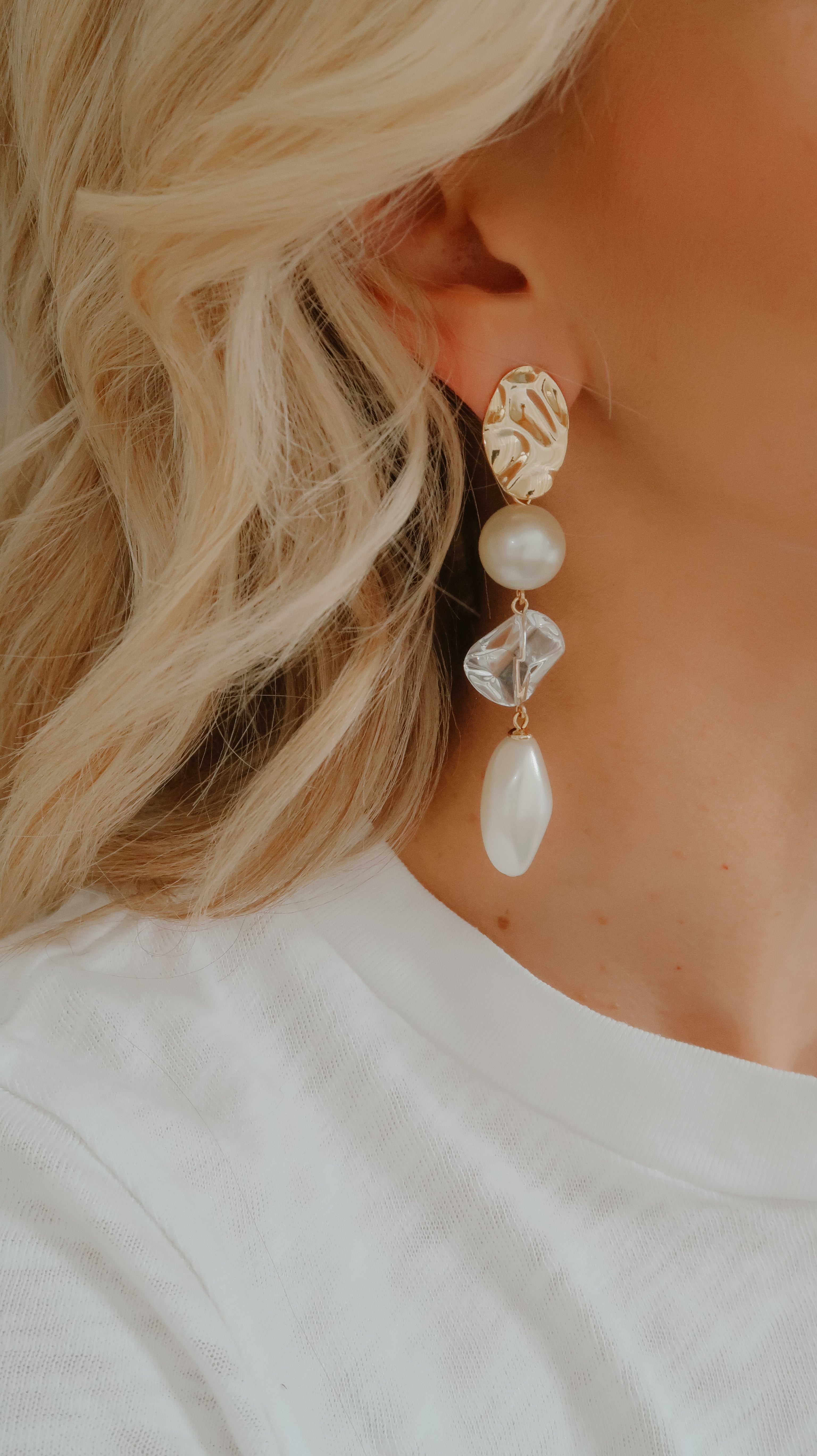
For both, the rule is: wash your hands before touching your ear, and clean with a mild saline solution instead of aggressive disinfectants or alcohol. Don't twist the earring and sleep on the other side as much as possible. The big difference lies in patience: an earlobe often needs six weeks, a helix sometimes six to twelve months. In both cases, choose skin-friendly materials. Light designs such as the Whisper White or the delicate Kaia Oat put less strain on your ear than heavy dangle earrings. Only switch to a new pair once everything is calm and pain-free.
When to See a Doctor
Some signs require professional advice, and especially with the auricle, you shouldn't wait too long. See your GP if you have a fever, rapidly spreading redness, a hard or very painful swelling, a lot of pus, or a throbbing pain that doesn't subside. With cartilage, prompt intervention is extra important to prevent permanent damage. If in doubt, always have it checked; it's never overly cautious.
Prevention Starts with the Right Material
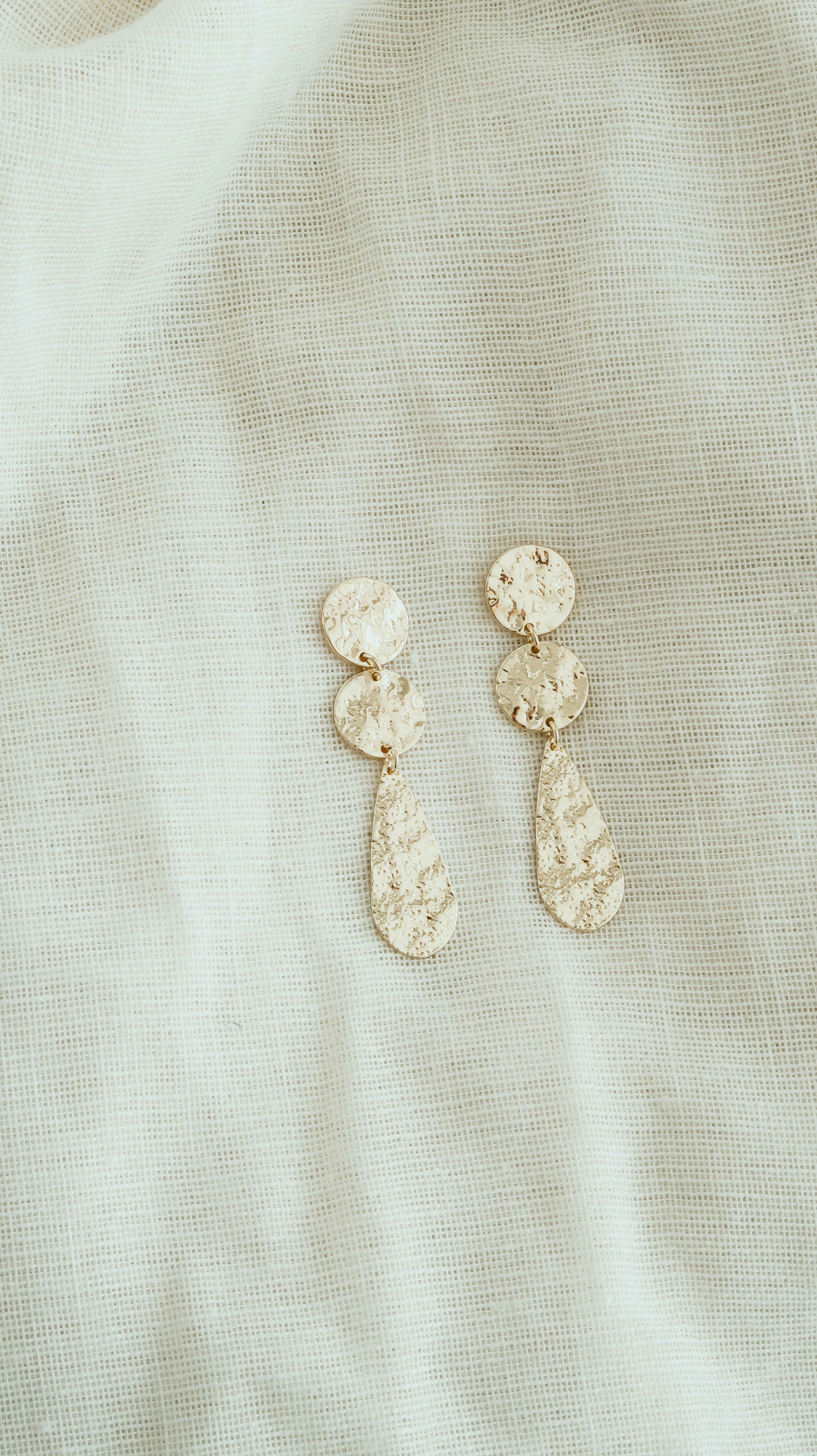
The best infection is, of course, one you never get. Good hygiene, patience, and especially the right material make all the difference. Much irritation to the earlobe and auricle is caused by nickel in cheap jewelry. That's why all Petit Bonbon earrings are 100% nickel-free, lead- and cadmium-free, and handcrafted in Dendermonde. If you want to know how to choose the right material, read our guide on nickel-free earrings for sensitive ears, and discover our collection of lightweight designs that leave your ears in peace.
This is general information and not medical advice. If in doubt: consult your doctor or pharmacist.
Shop dit artikel

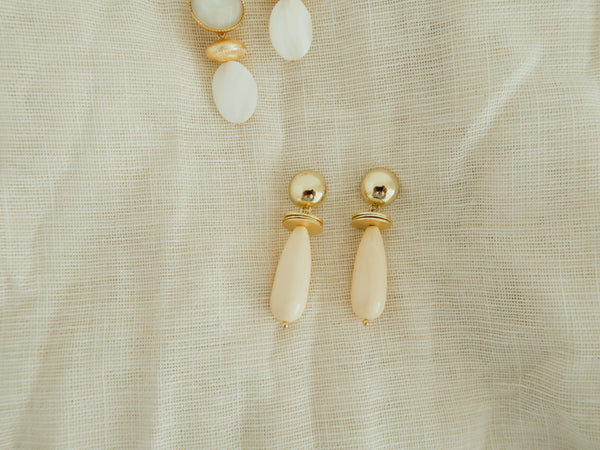
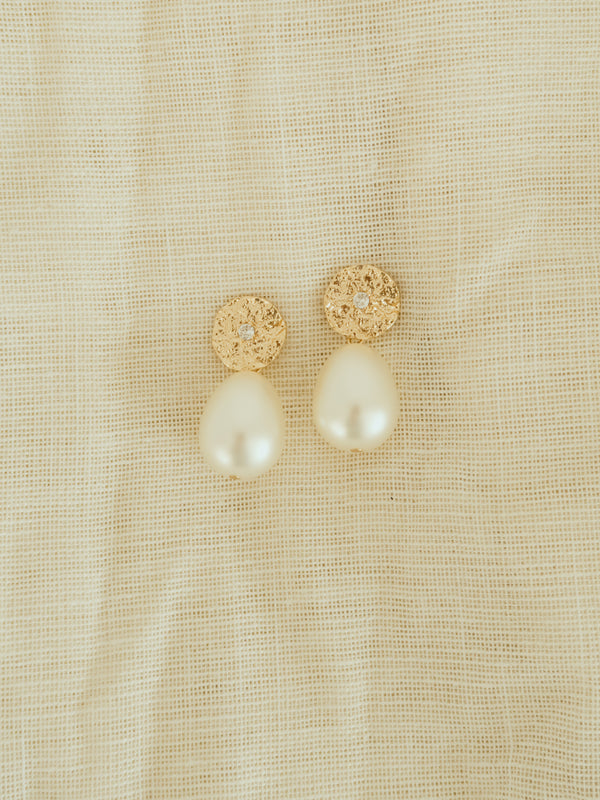
Kind to sensitive ears
All Petit Bonbon earrings are 100% nickel-free, lead-free and cadmium-free — handmade in Dendermonde, made for comfortable everyday wear.
Discover moreMake your outfit stand out
Handcrafted statement earrings





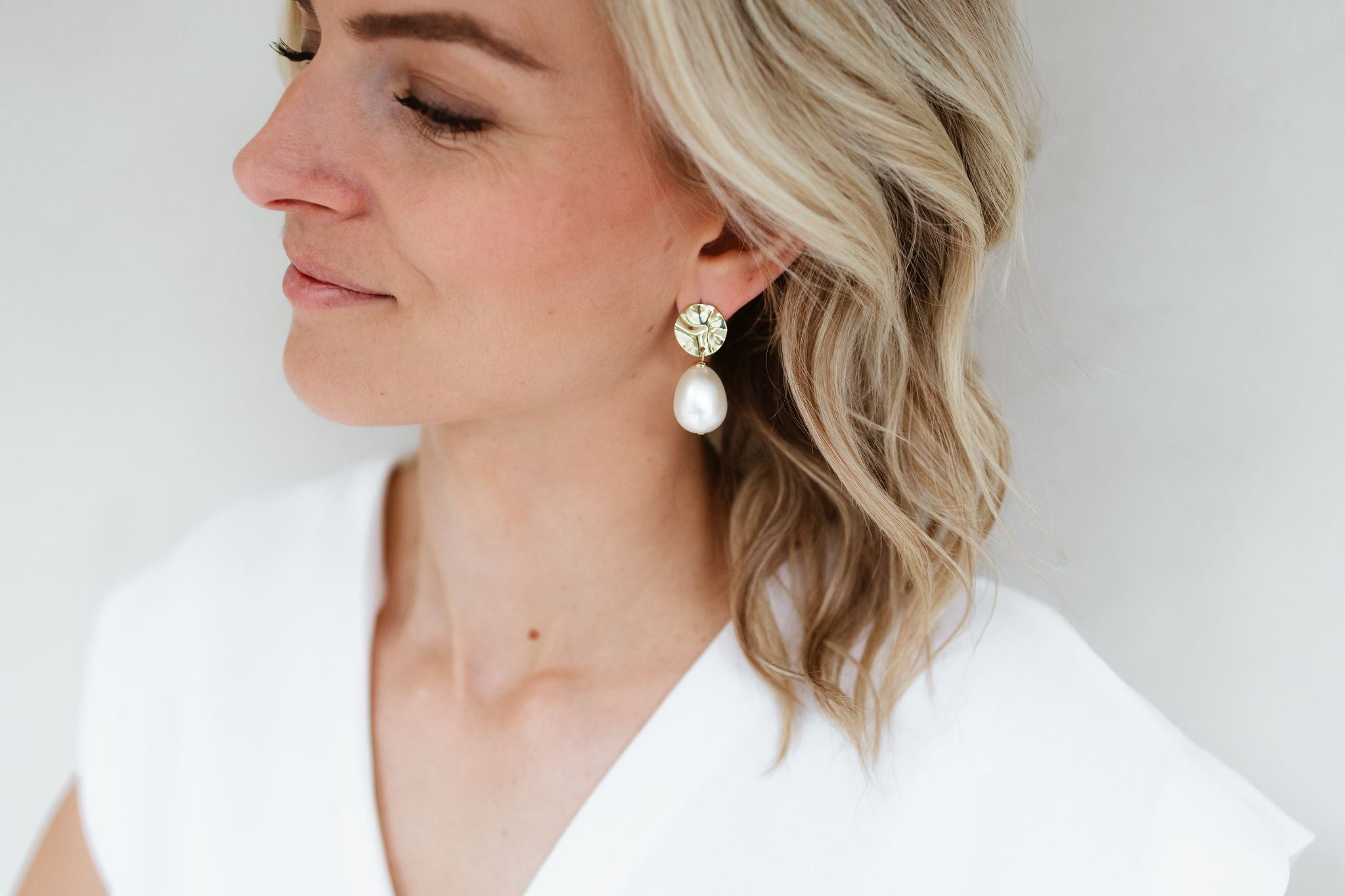
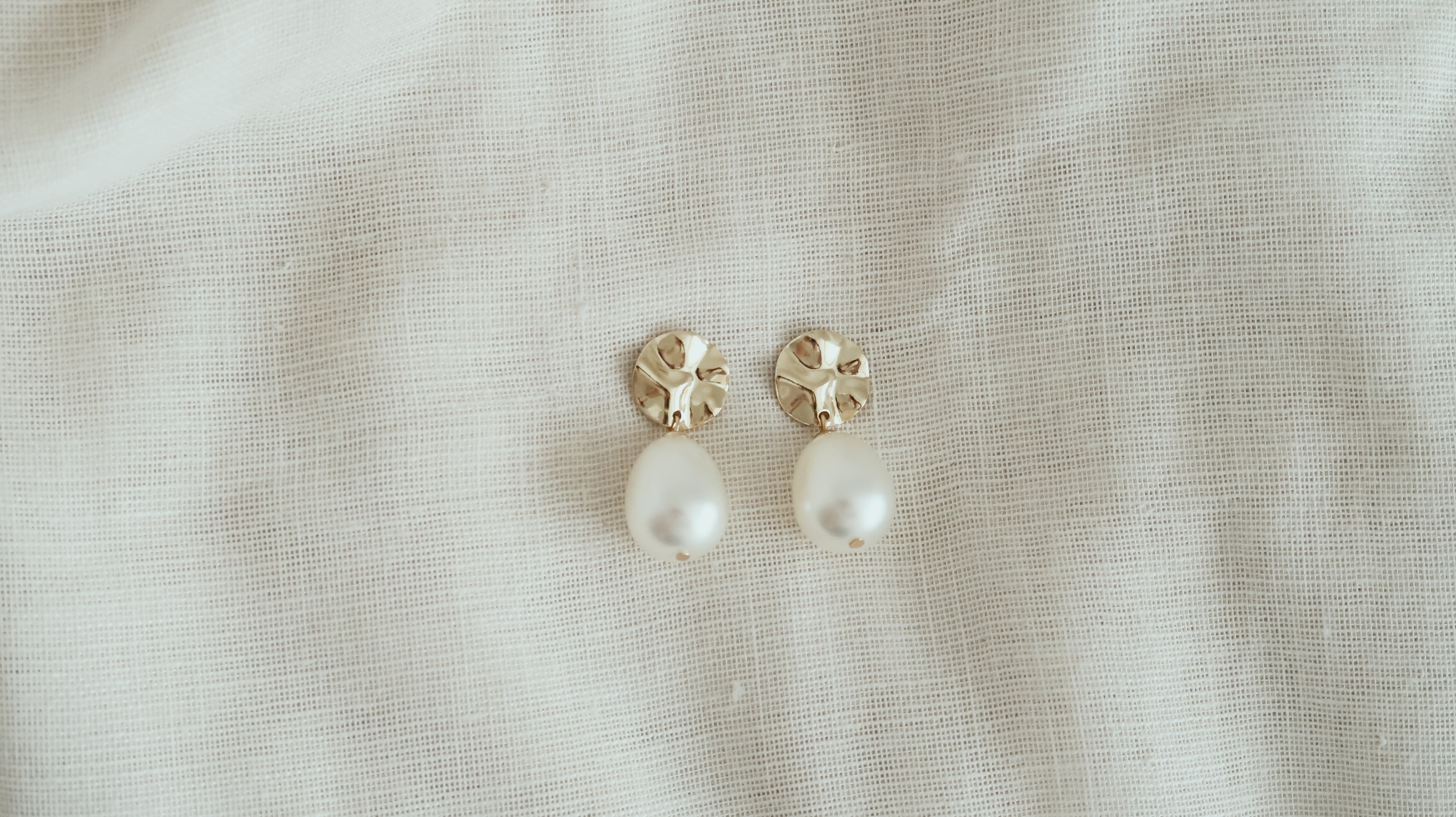

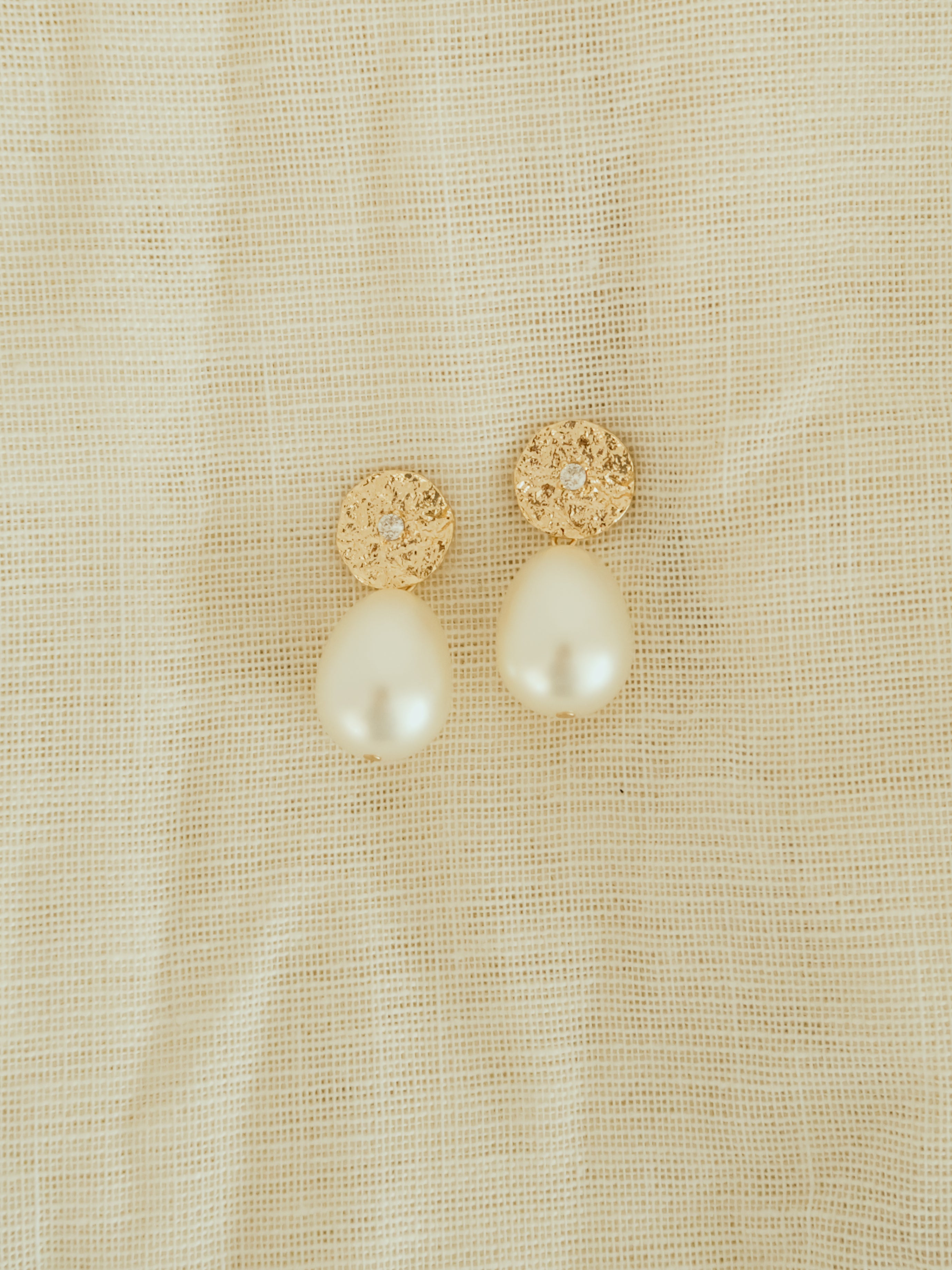
Which material is genuinely nickel-free? Materials under the microscope
It's on almost every jewelry label these days: nickel-free, hypoallergenic, suitable for sensitive ears. But behind those words lies a world of difference. One 'nickel-free' pair leaves your ears a...
Read more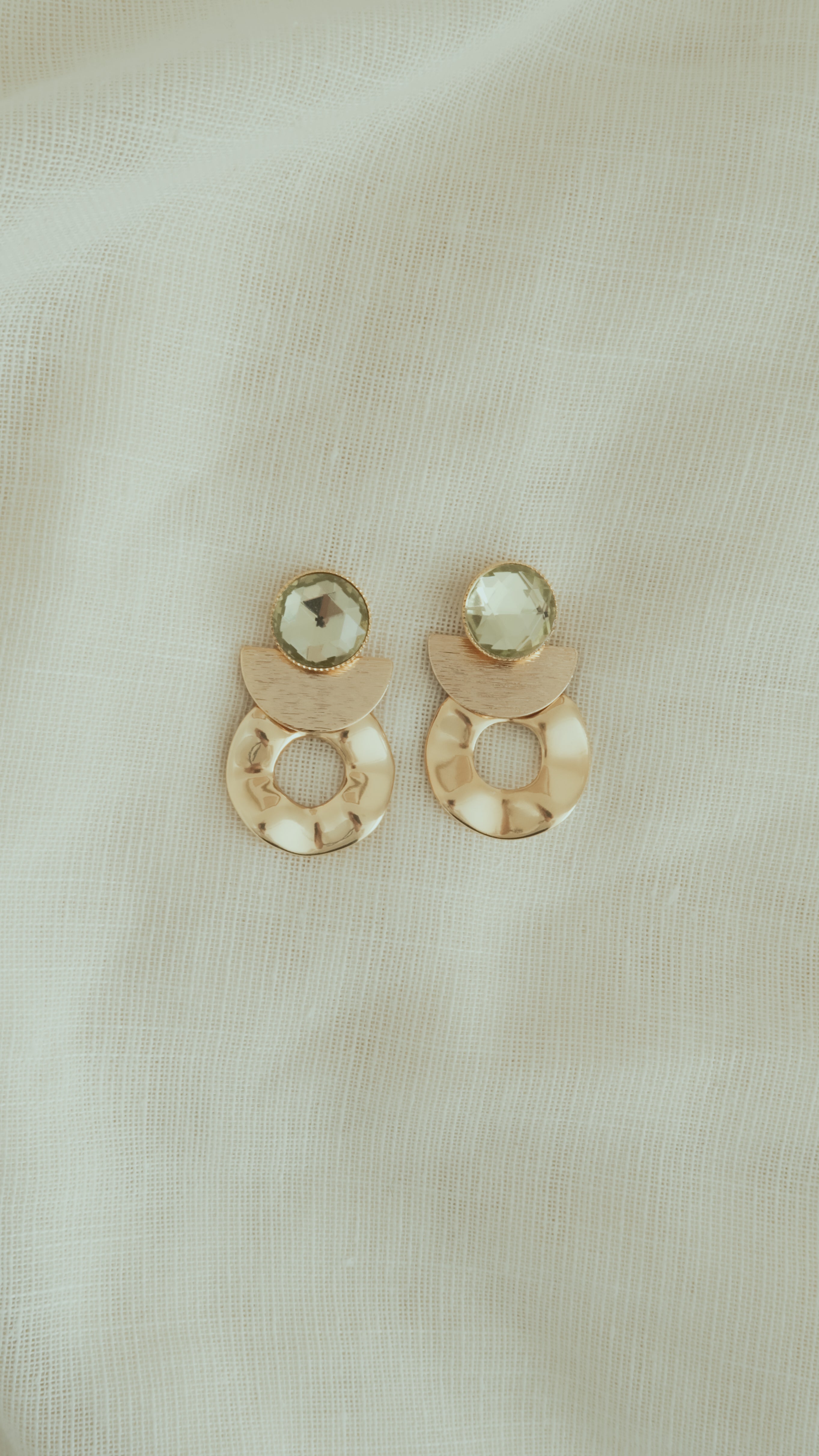
Clip-on statement earrings for a party
A party on the horizon, a gorgeous outfit ready, and then that one question: which earrings will complete the look? If you don't have pierced ears, or simply want something striking without the has...
Read more
Leave a comment